01
Tremor & Essential Tremor
Shaking of the hands during activity that interferes with eating, writing, or everyday tasks.
Learn MoreStart with your condition. Learn about treatment options and the considerations that shape an individual recommendation.
Start with what you have. Each page explains when a neurosurgical evaluation is worth considering, what the options are, and which questions to bring.
Tremor, stiffness, slowness, and involuntary movement.
Shaking of the hands during activity that interferes with eating, writing, or everyday tasks.
Learn More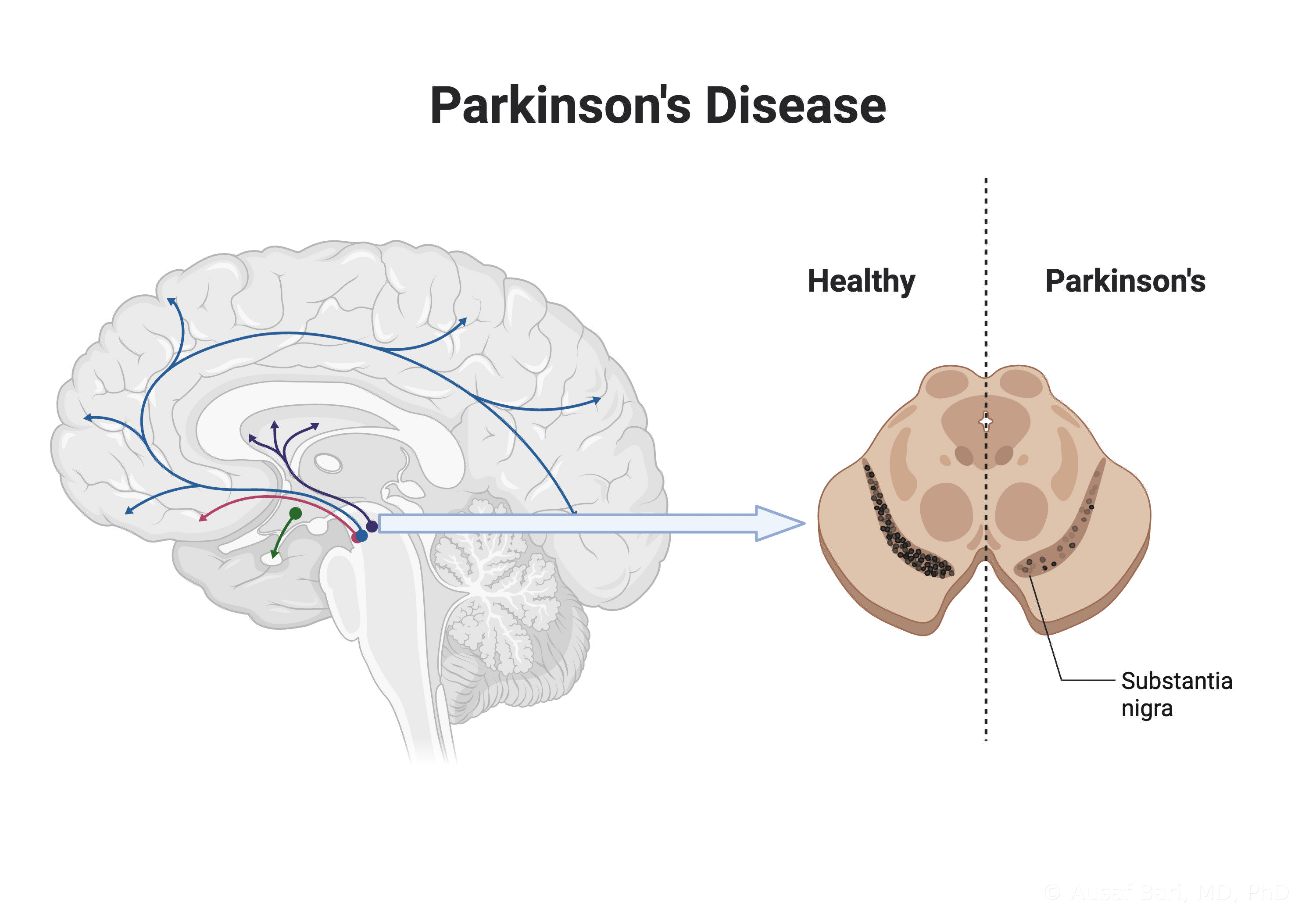
Tremor, stiffness, and slowness that medication controls less predictably over time.
Learn More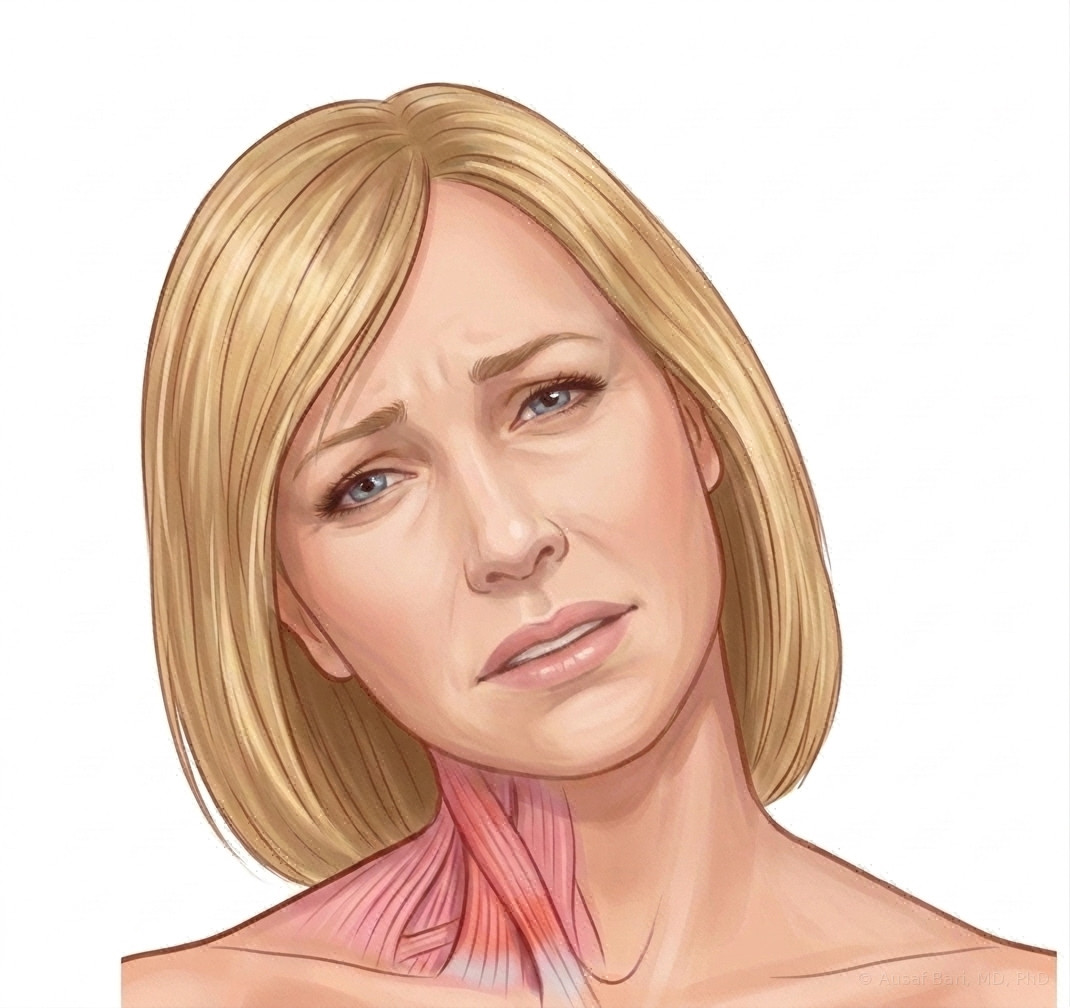
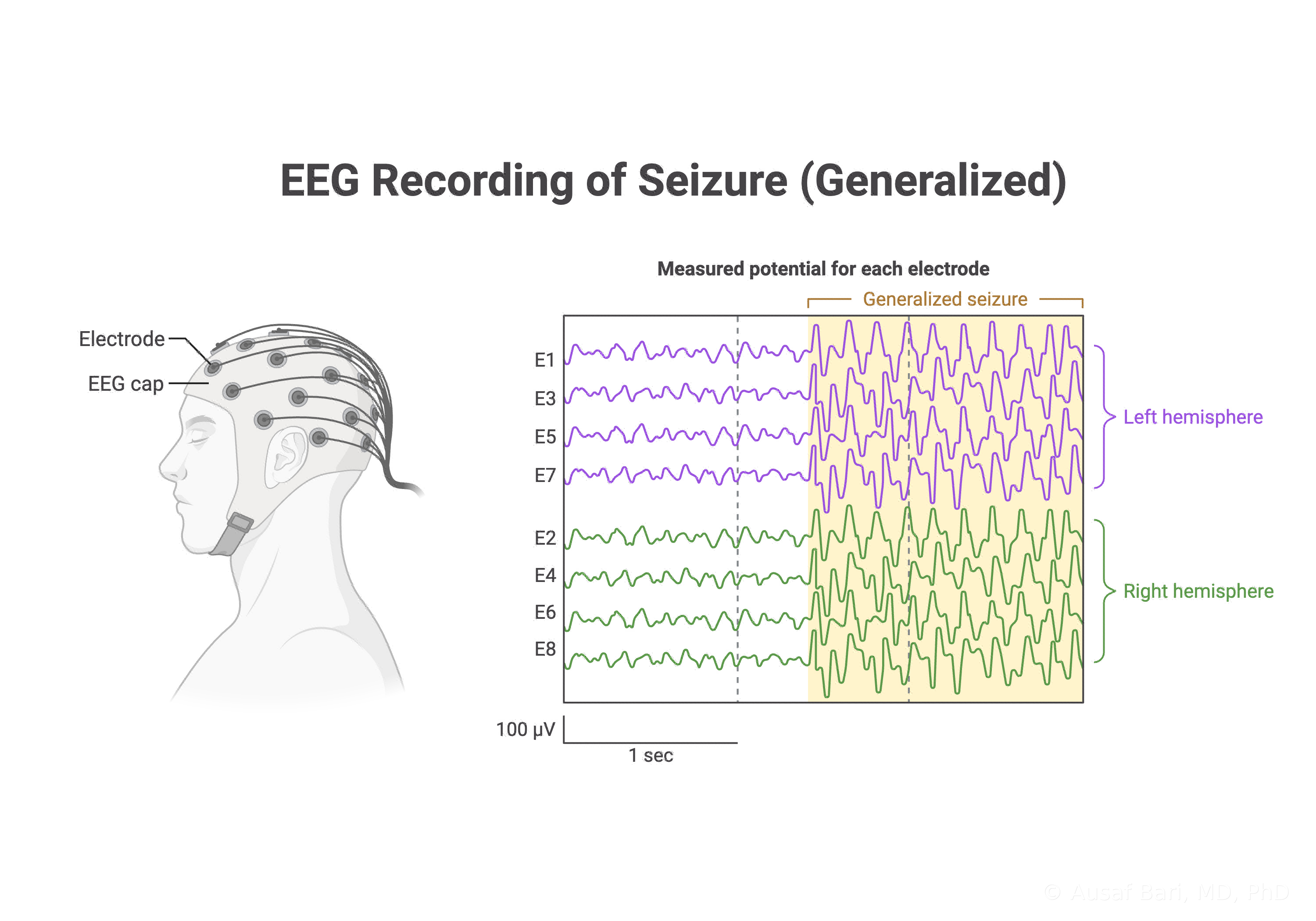
Seizures that continue despite medication.
Nerve pain, facial pain, hemifacial spasm, pain from cancer, and injured or compressed nerves.
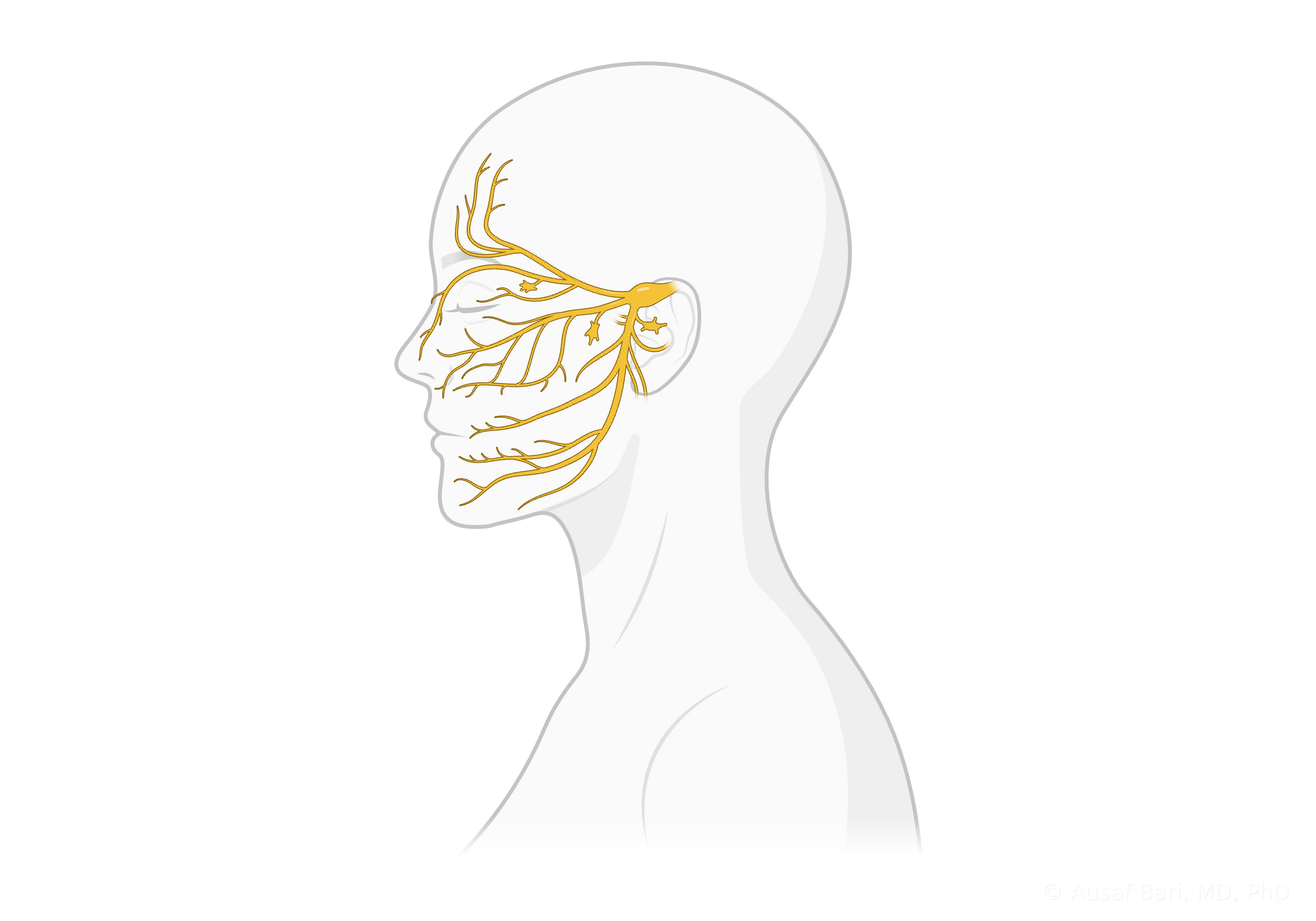
Electric, one-sided facial pain triggered by touch, chewing, or wind; and the atypical facial pains that need a different plan.
Learn More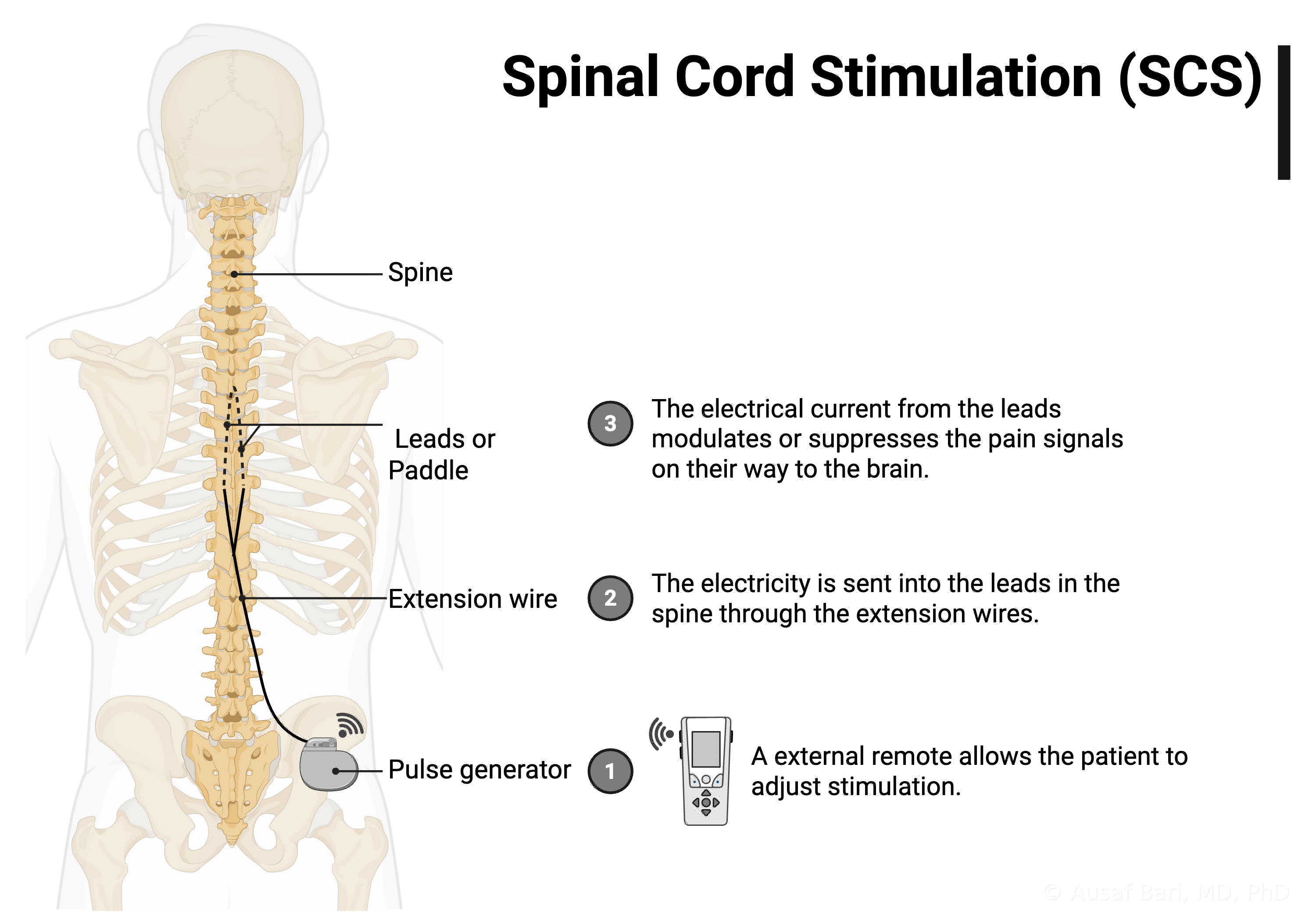
Persistent nerve-related pain after spine surgery, injury, or complex regional pain syndrome.
Learn More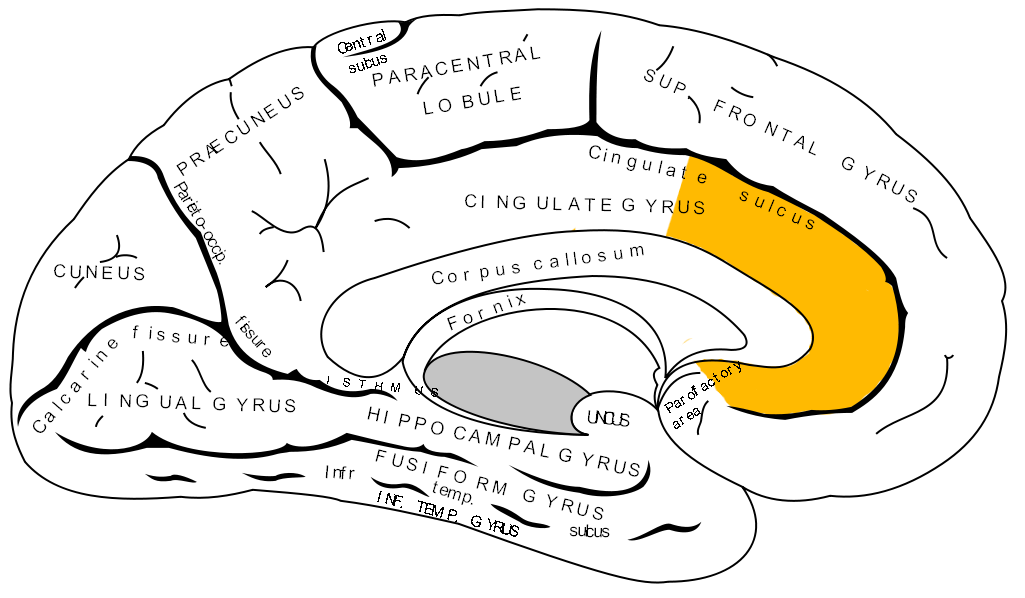
Severe pain from cancer that medication no longer controls, or controls only at a heavy cost.
Learn More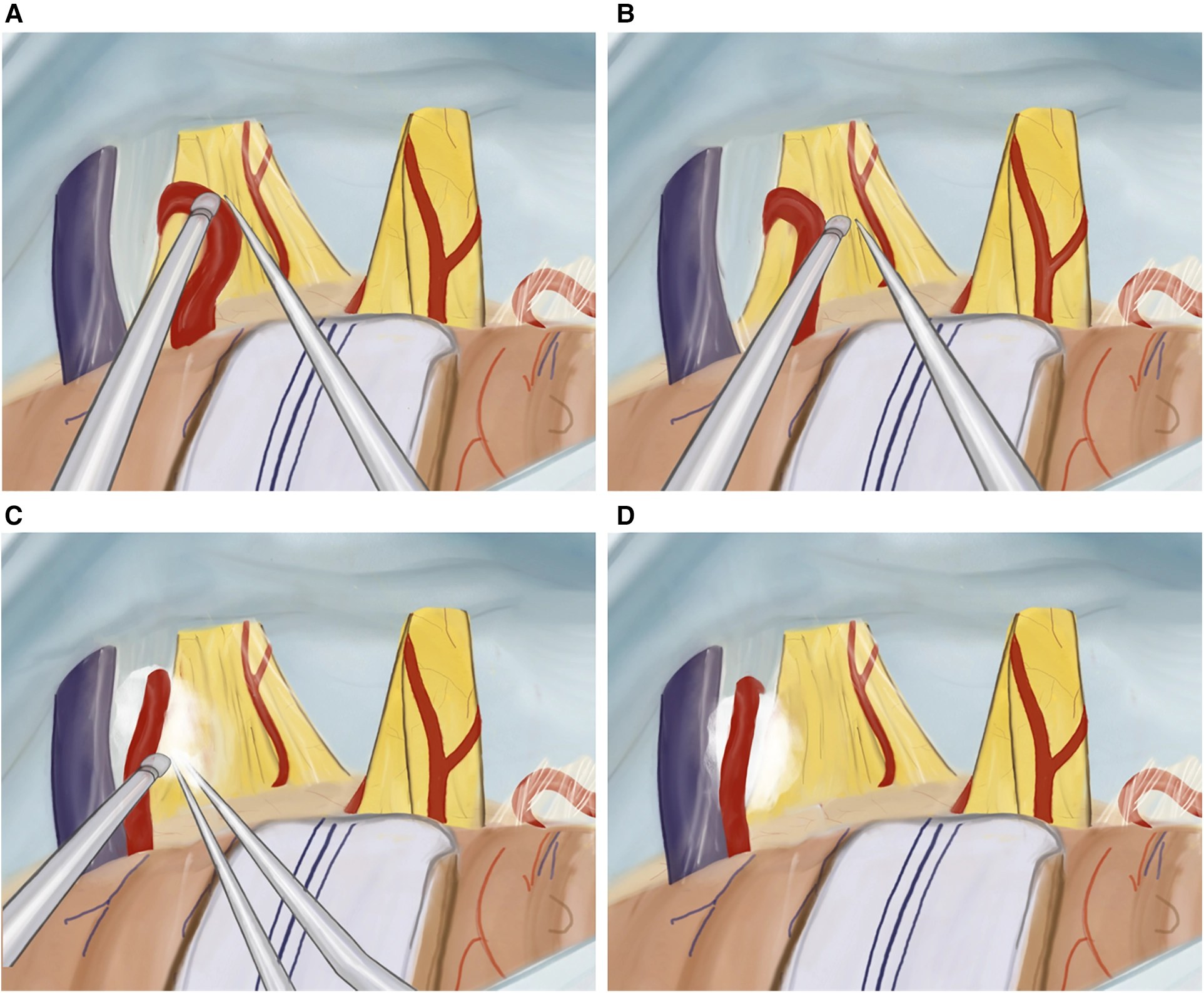
Involuntary twitching of one side of the face, usually starting around the eye, caused by a blood vessel pressing on the facial nerve.
Learn More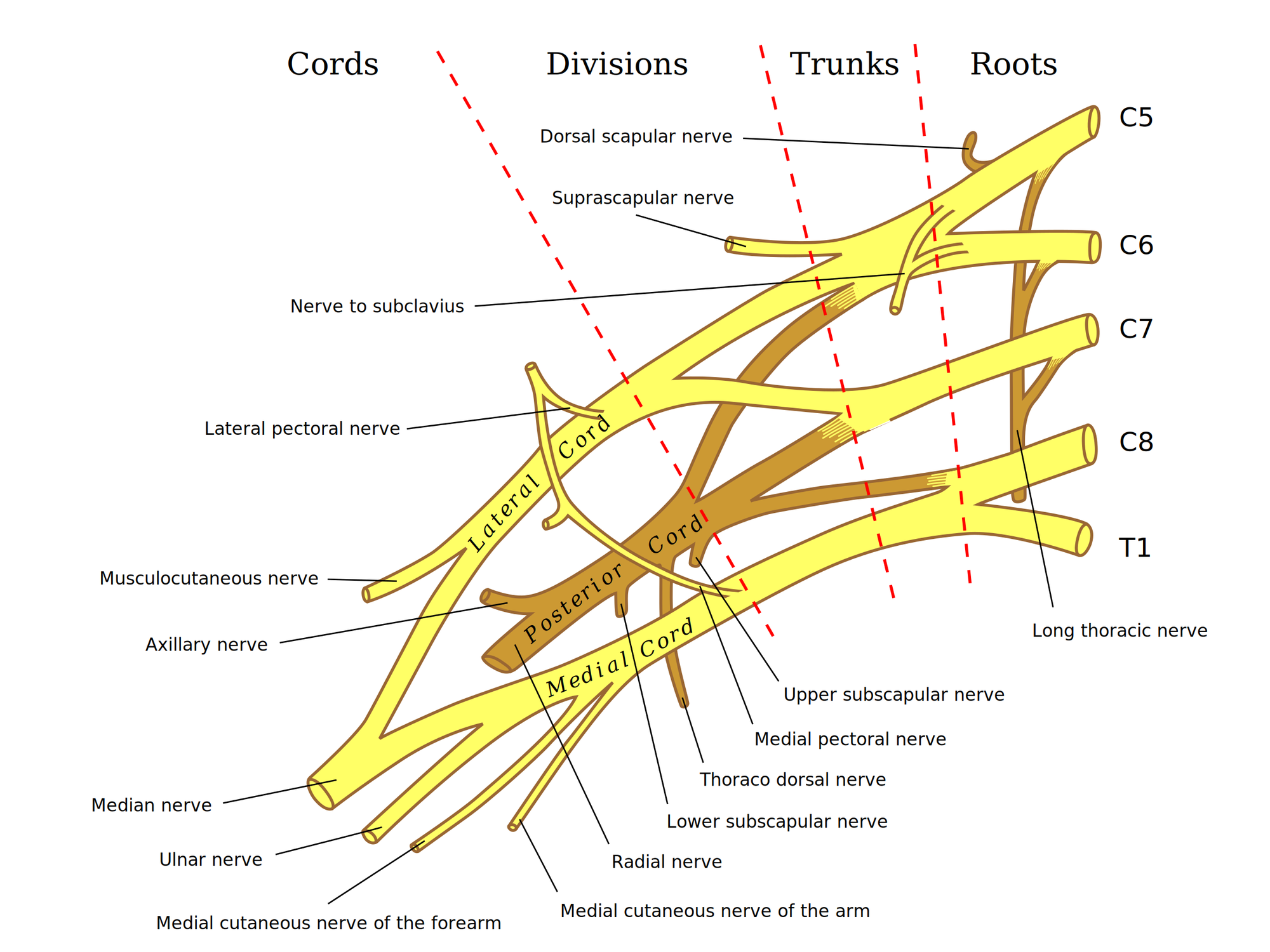
Pain, numbness, or weakness from a compressed, injured, or tumor-bearing nerve.
Learn MoreLasting weakness after a stroke.
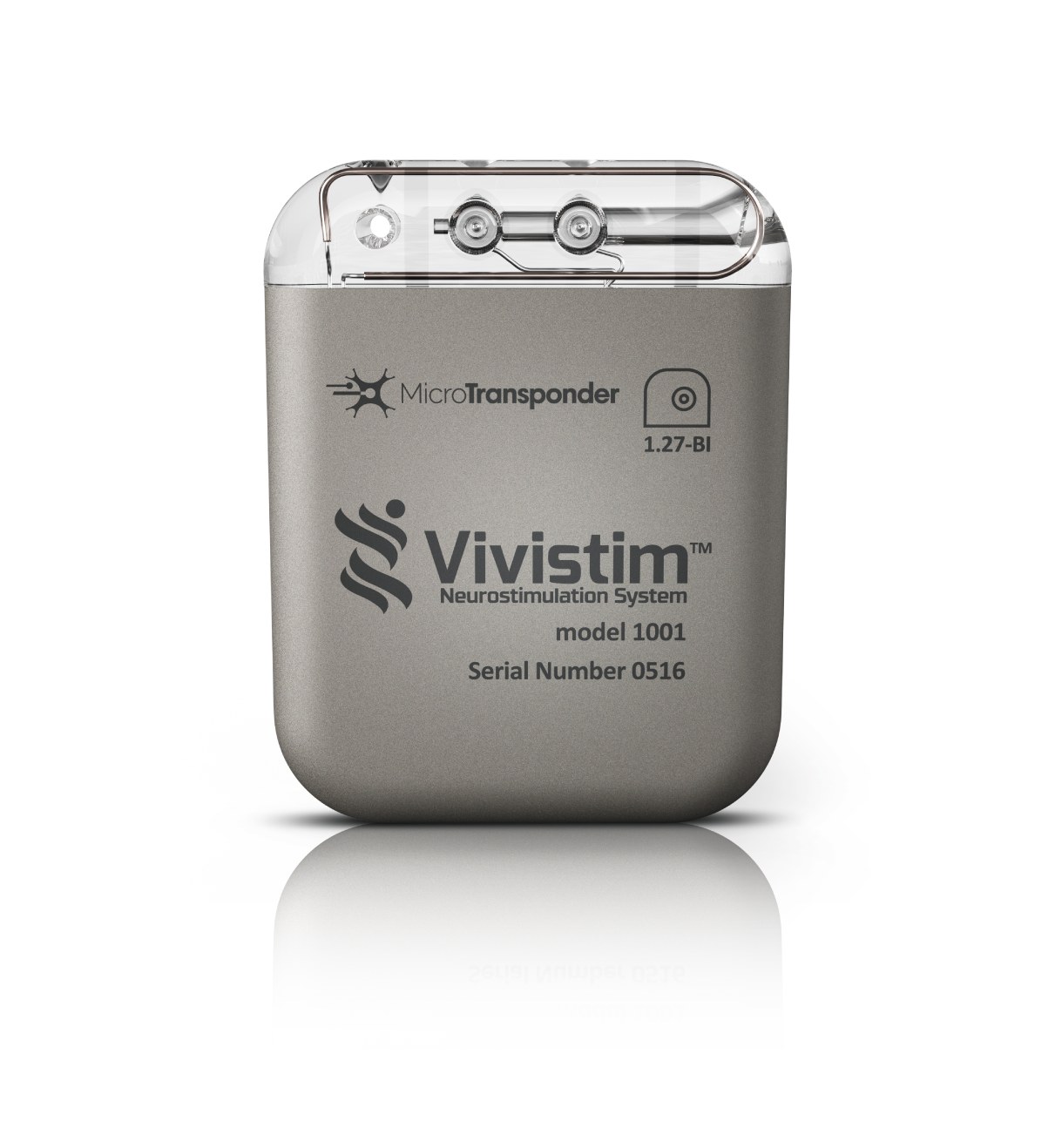
Surgery for severe depression and OCD, and research on addiction, in partnership with psychiatry.
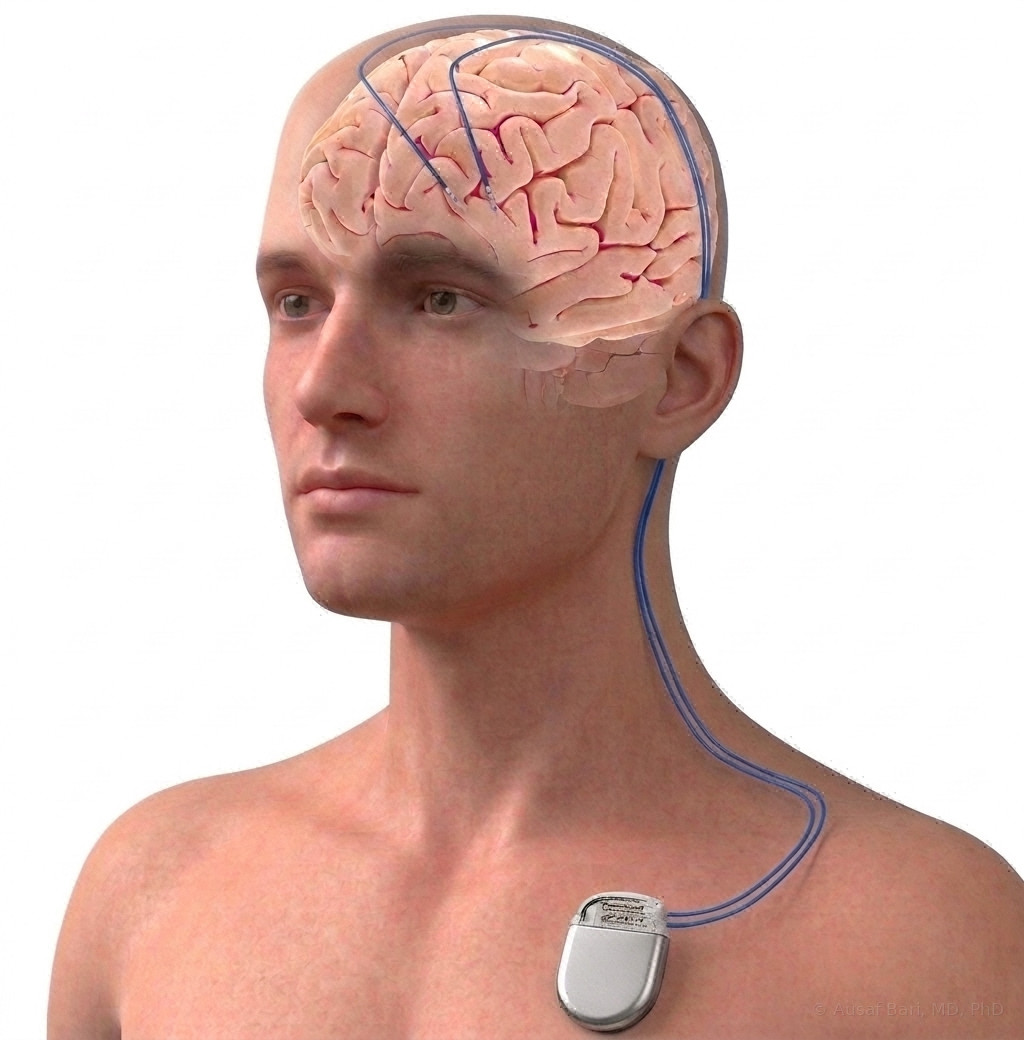
Severe depression, OCD, or addiction that has not responded to standard treatments.
Learn MoreImmune disease treated through the nervous system.
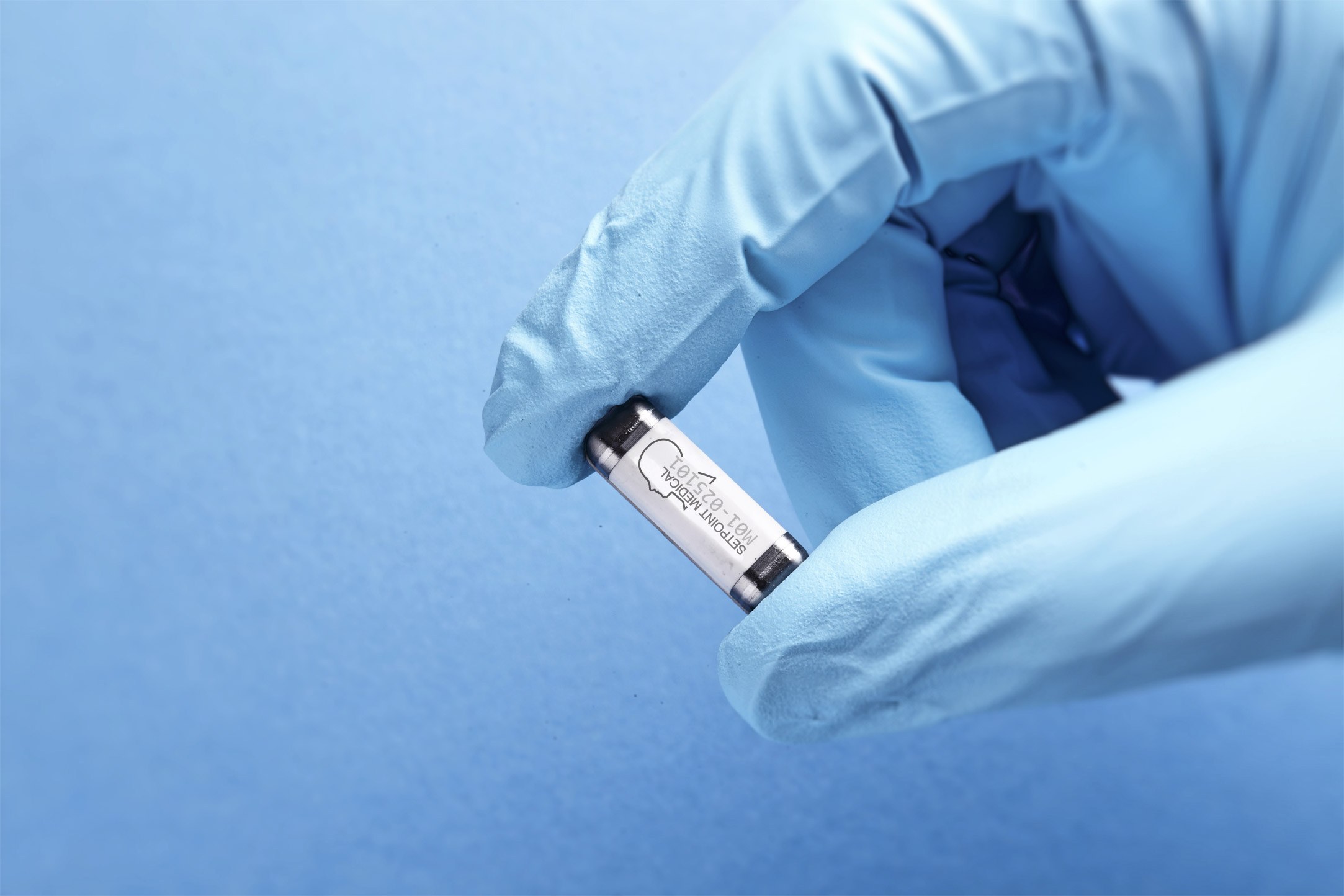
Active rheumatoid arthritis that has not done well on biologic or JAK-inhibitor medication.
Learn MoreEvery option has benefits, tradeoffs, and follow-up needs. These pages describe each procedure in plain language.
Electrical stimulation delivered to selected brain targets, with settings adjusted through ongoing care.
Learn More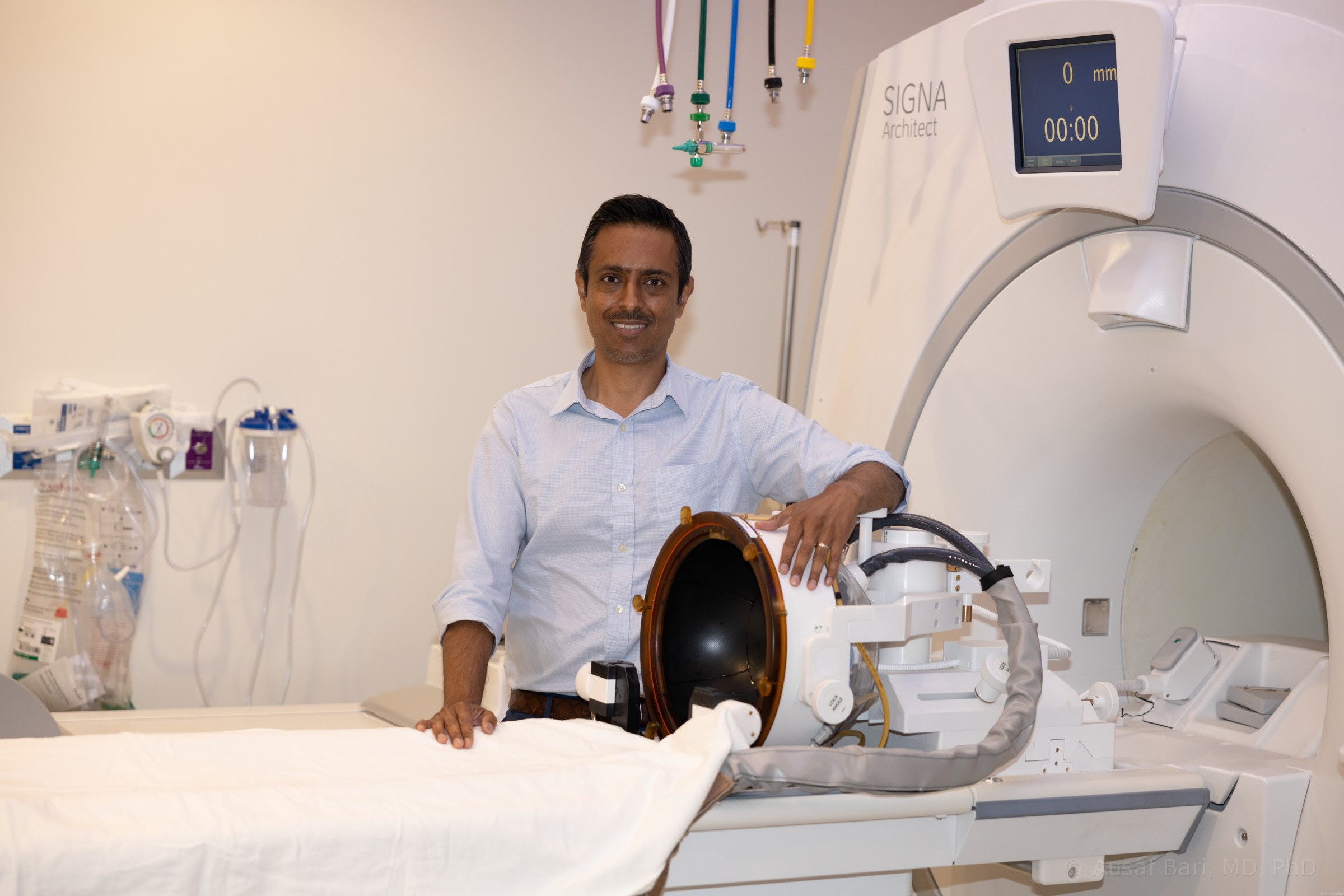
MRI-guided ultrasound creates a precise, targeted lesion without an incision; candidacy requires a specialist evaluation.
Learn More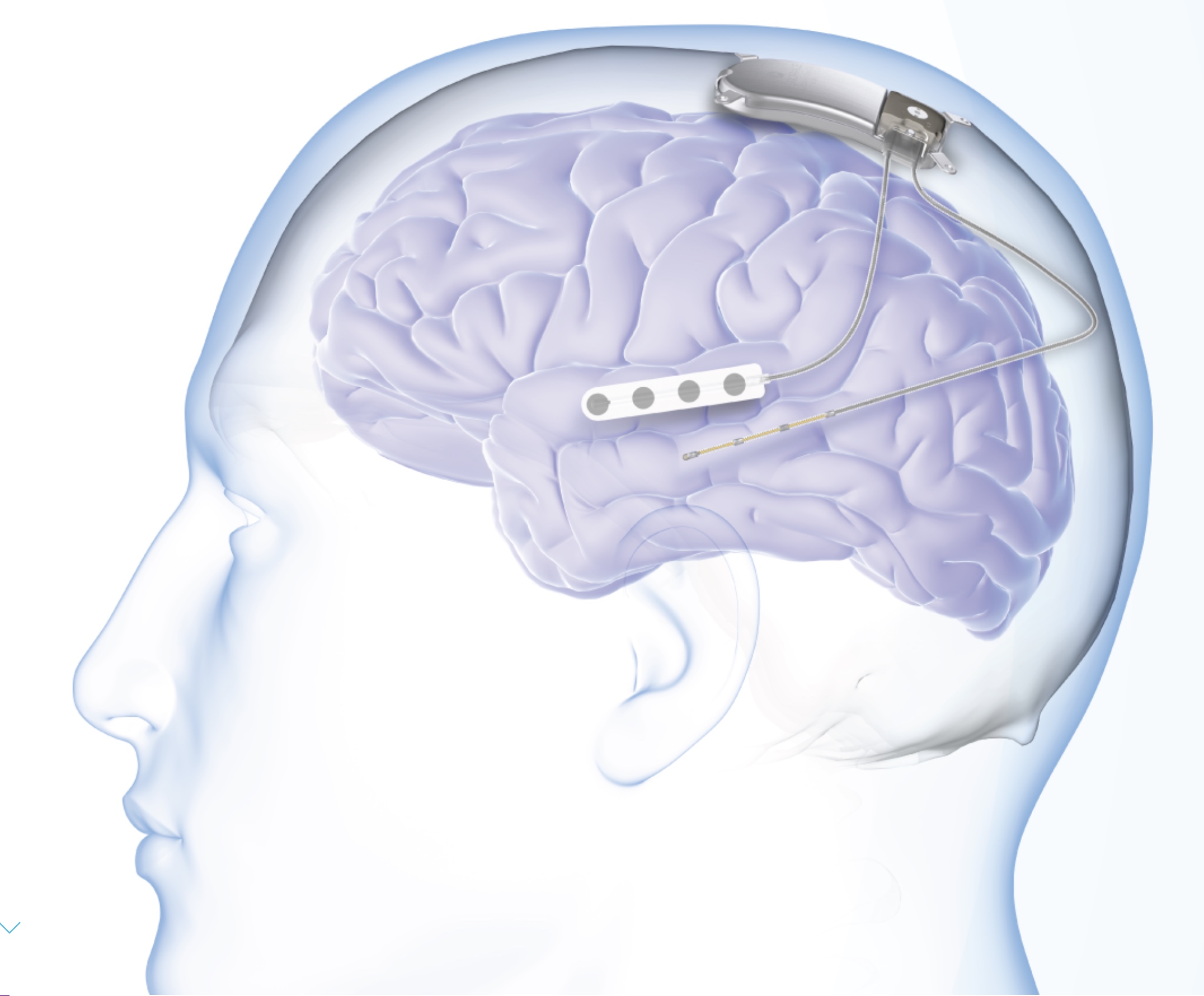
Surgery, laser ablation, or implanted stimulation may be considered after a comprehensive evaluation.
Learn More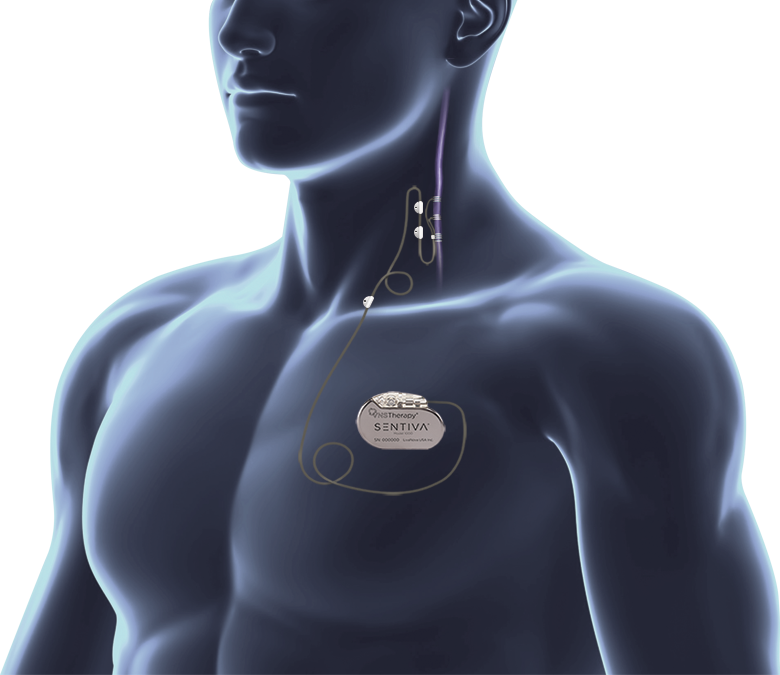
A small stimulator on the vagus nerve in the neck, for arm recovery after stroke, drug-resistant epilepsy, and rheumatoid arthritis.
Learn MoreStimulation approaches for selected persistent pain conditions after evaluation and other treatments.
Learn More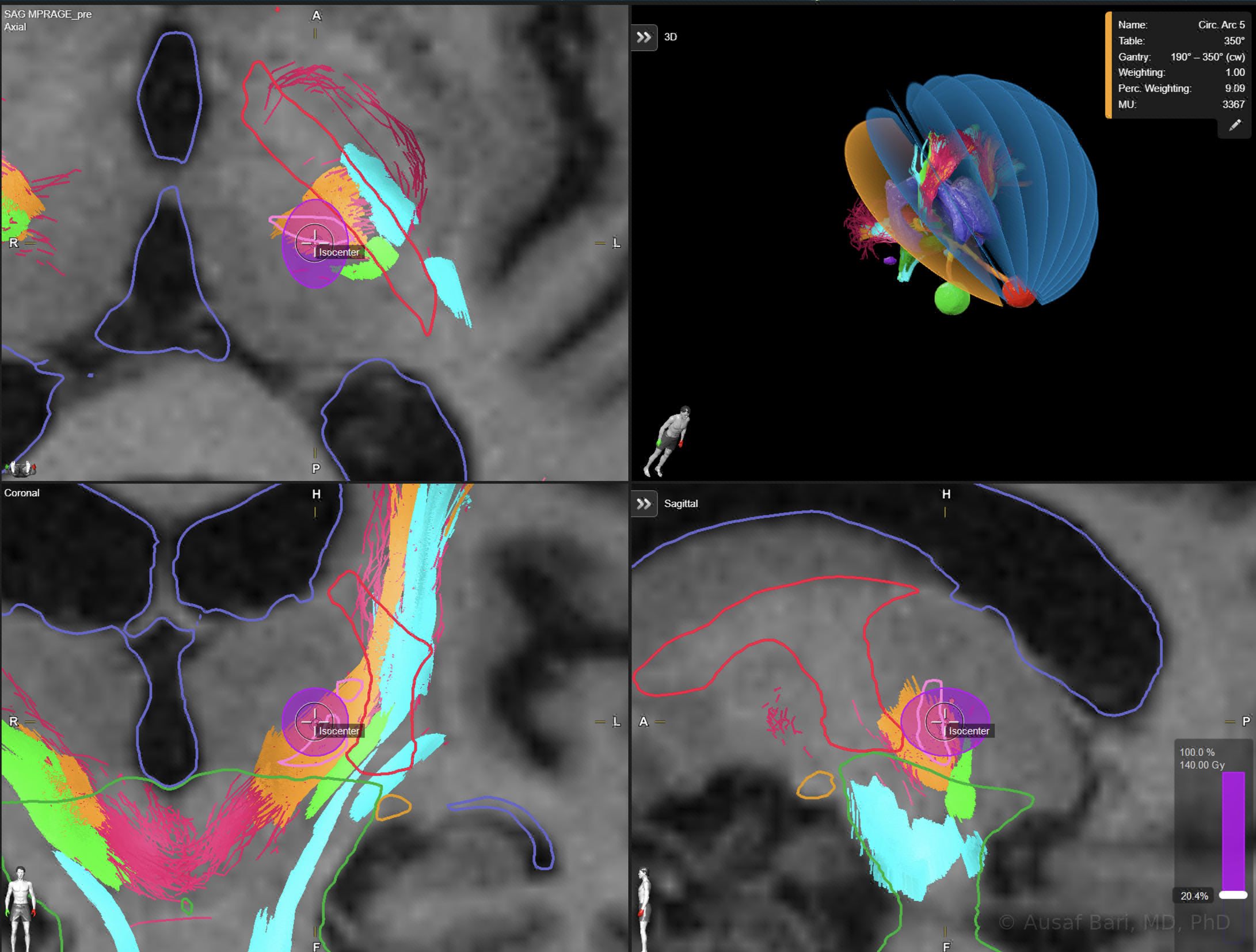
A single, focused dose of radiation for trigeminal neuralgia, tremor in patients who cannot have surgery, and selected brain tumors. No incision.
Learn More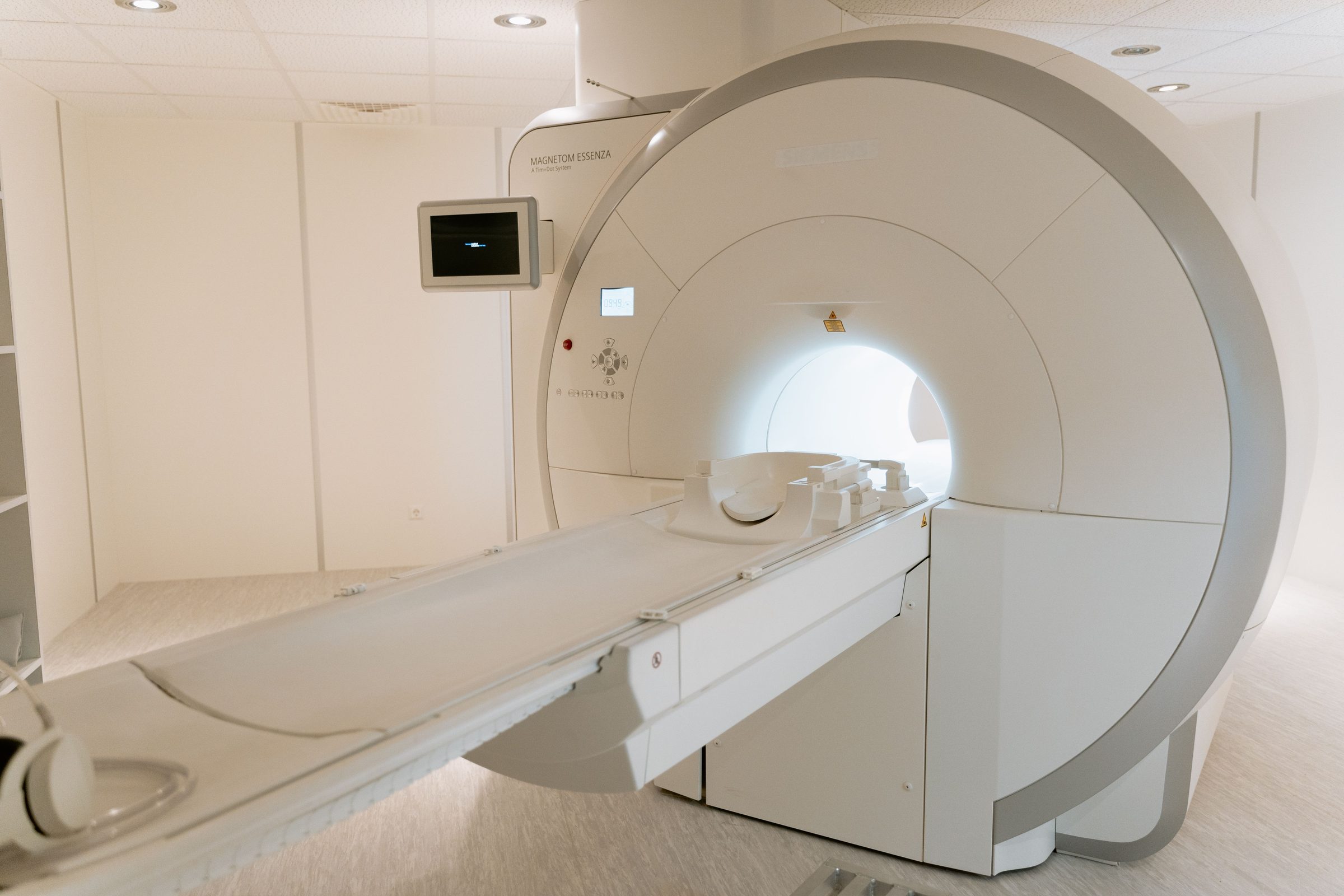
MRI-guided laser treatment of a precise target through a tiny opening, used for epilepsy, cancer pain, and selected tumors.
Learn MoreMoving a blood vessel off the trigeminal or facial nerve: the most durable treatment for classic trigeminal neuralgia and for hemifacial spasm.
Learn More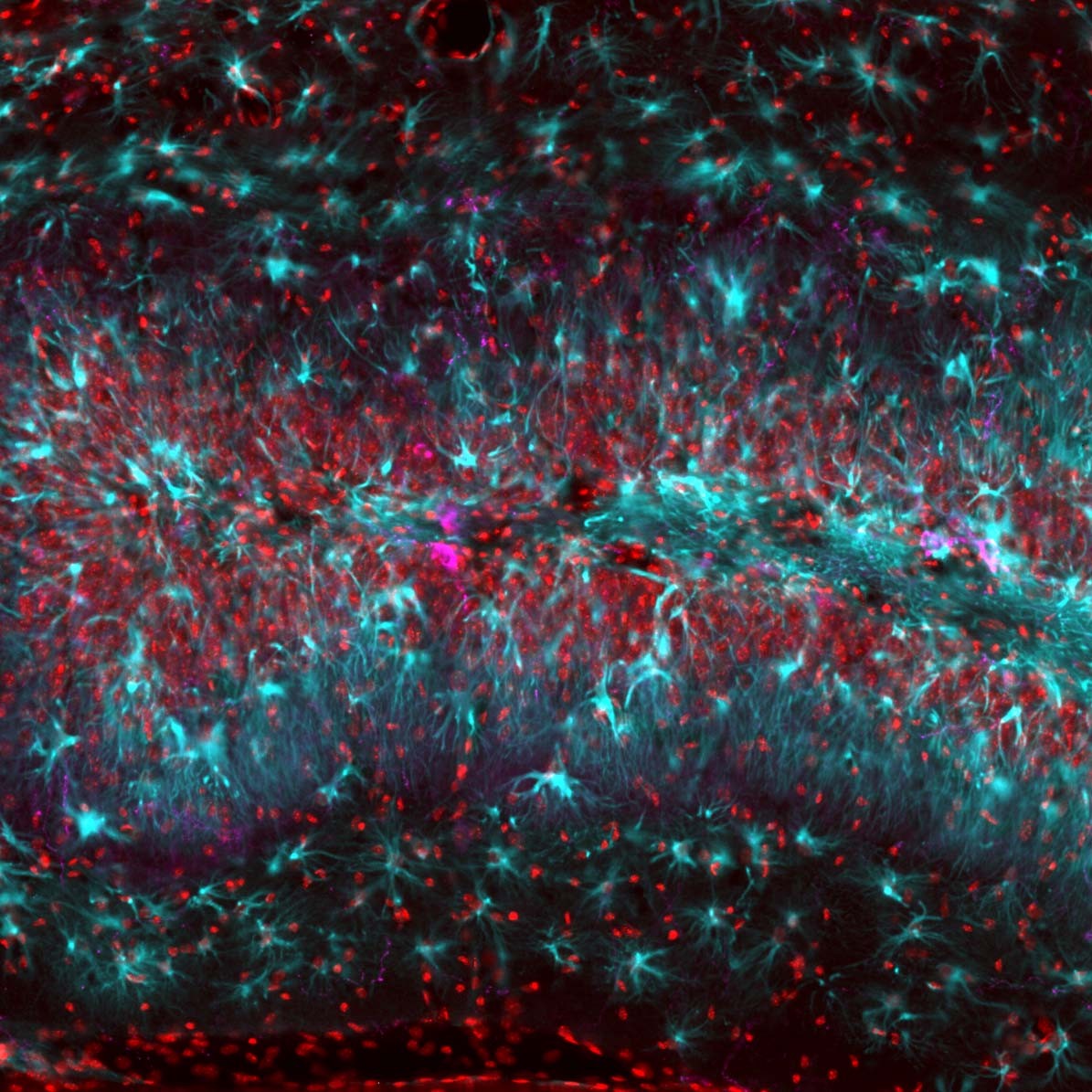
Transplanting living cells into the brain to restore what disease has taken away. Investigational, offered through clinical trials such as the NRTX-1001 EPIC trial for epilepsy.
Learn MoreA consultation is the best way to learn whether one of these treatments could help you. Bring your questions; we will work through them together.