When Medication Is Not Enough
Most cancer pain is managed by oncology and palliative care teams with medication. For some people, pain remains severe despite escalating doses, or opioids cause sedation, confusion, or nausea that take away the time and clarity they want. In those situations a neurosurgical consultation can identify a procedure that reduces the pain itself, or the suffering it causes, so that medication can be reduced.
Cingulotomy: Changing How Pain Is Experienced
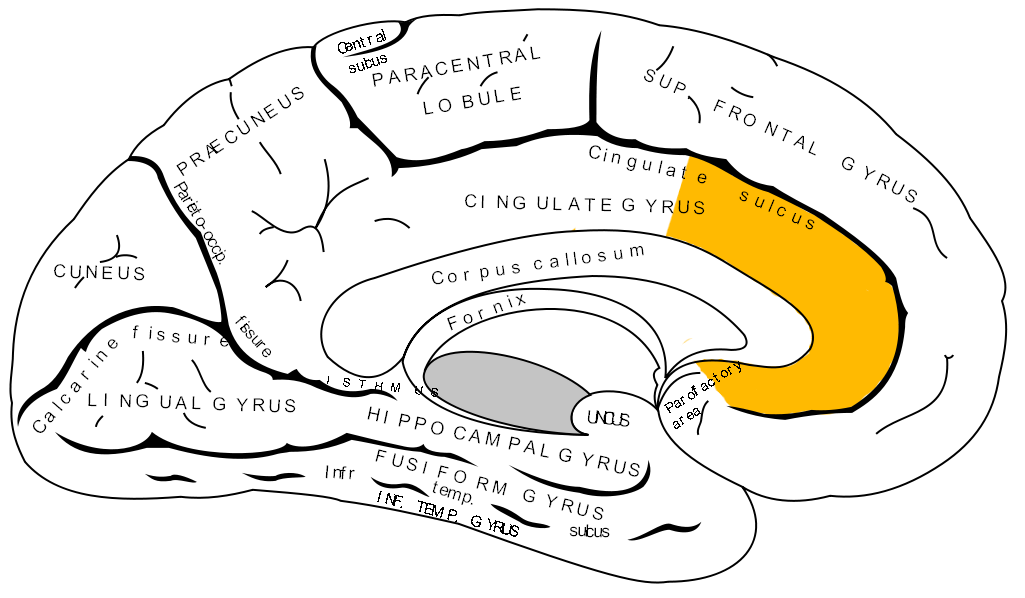
Pain has two parts: the sensation, and the distress it causes. The anterior cingulate cortex, a region deep in the front of the brain, is central to the second part. A cingulotomy creates a small, precise lesion in this region. Patients often describe that the pain is still there but no longer dominates them; it loses its urgency, sleep improves, and medication needs fall. Cingulotomy is considered for widespread or hard-to-localize cancer pain, and for pain with a heavy emotional burden.
How Dr. Bari Performs Cingulotomy With Laser Ablation
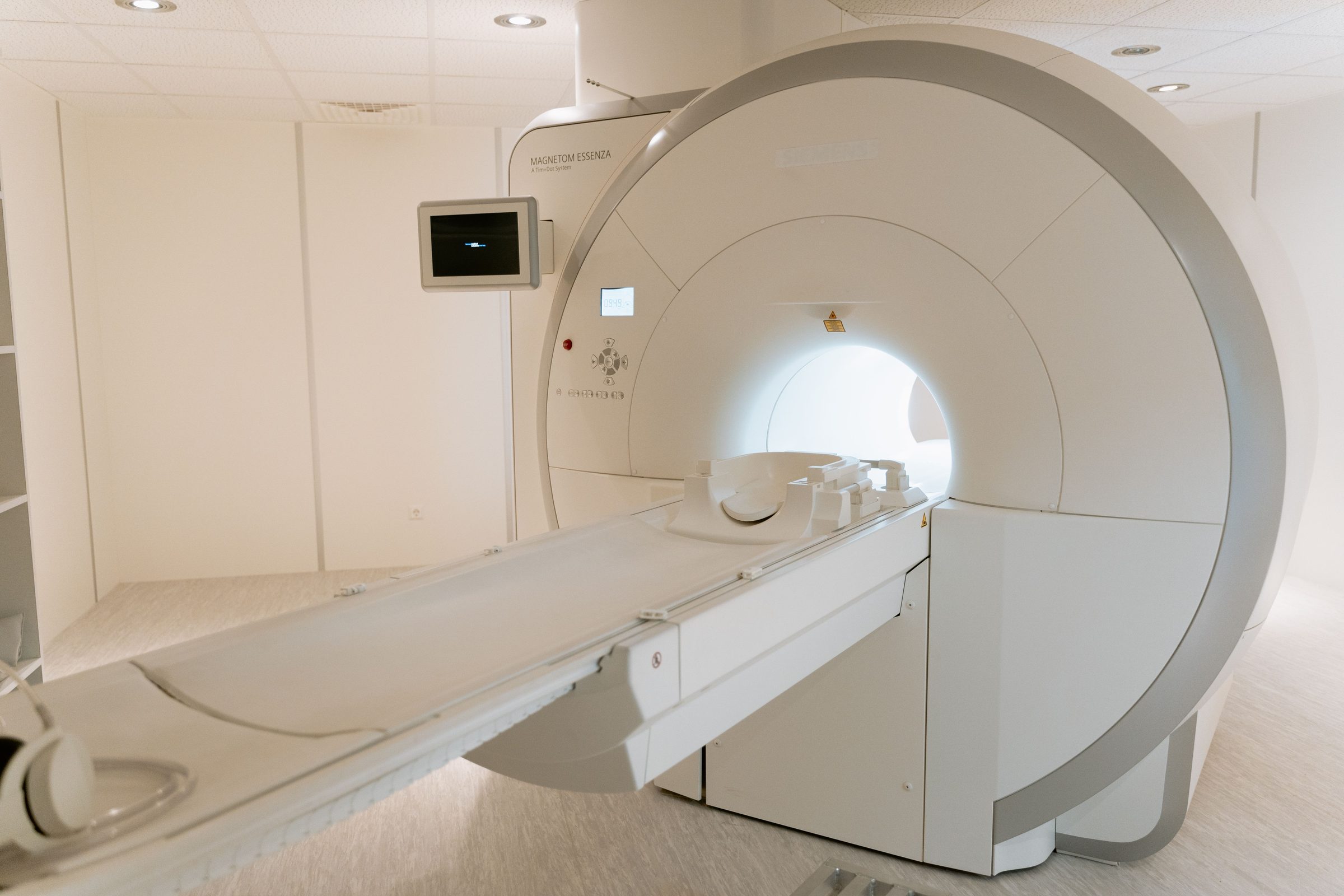
Dr. Bari performs cingulotomy using laser interstitial thermal therapy (LITT). A laser fiber narrower than a pencil lead is guided to the target through an opening in the skull the size of a grain of rice. Inside the MRI scanner, the laser heats a small volume of tissue while MRI temperature maps show the treatment forming in real time, so that the lesion is confined precisely to the intended area. There is no open surgery. Most patients go home the next day.
Other Procedures For Cancer Pain
Depending on the location and nature of the pain, other options include:
- Intrathecal pumps deliver pain medication directly to the fluid around the spinal cord at a small fraction of the oral dose, with fewer side effects.
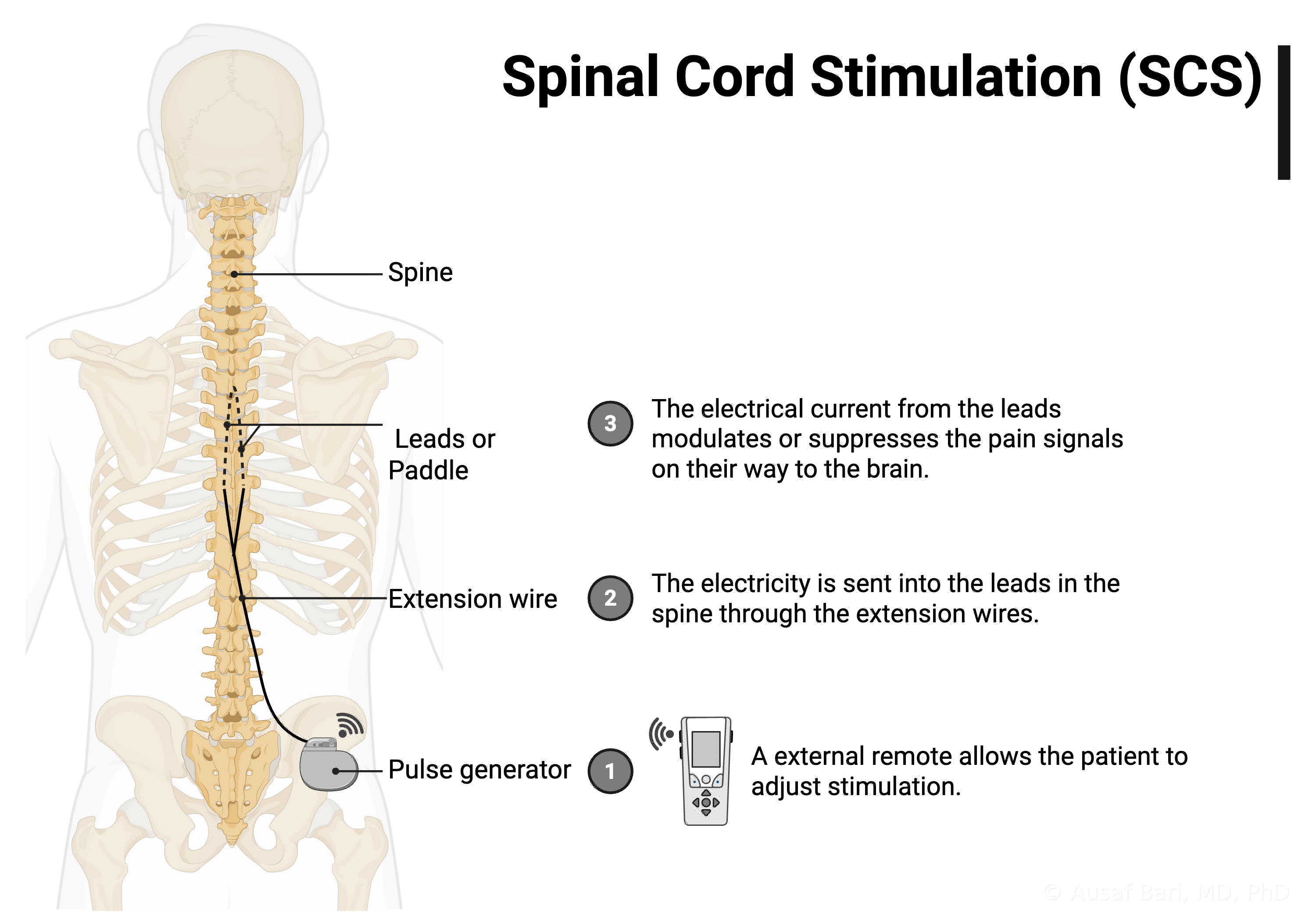
- Spinal cord and peripheral nerve stimulation for selected nerve-related pain.
- Targeted procedures on specific pain pathways, chosen according to where the pain is and how it behaves.
Radiosurgery For Cancer Pain: The FREEDOM Trial
For people whose cancer pain is severe, mixed, and no longer controlled by opioids, and who are not candidates for further procedures, Dr. Bari leads FREEDOM (Functional Radiosurgery for Easing or Eliminating Debilitating Oncologic Morbidity), a UCLA study of a single, incisionless radiosurgery session. Many fine beams of radiation converge on three small targets: the centromedian-parafascicular complex of the thalamus on both sides, which governs how much attention pain commands and how it feels, and the pituitary stalk, whose irradiation has relieved cancer pain in small series since the 1970s, often within days. Nothing is implanted, there is no anesthesia, and treatment takes one outpatient session.
FREEDOM is a prospective, single-arm study of up to 24 patients, funded by Brainlab. Adults with worst pain above 8 out of 10 despite optimized opioids may qualify; prior brain radiation, brain tumors, or intracranial hardware are exclusions. Pain, opioid use, mood, sleep, and daily function are tracked for 28 days, and the first patients are observed in hospital for safety. This is an investigational treatment offered only within the study. Dr. Bari’s conference presentation below explains the rationale and the trial design; see also the clinical trials page.
FREEDOM: Stereotactic Radiosurgery For Refractory Cancer Pain
Presented by Dr. Bari at the Novalis Conference 2026, Munich · 19 slides
Working With Your Cancer Team
These procedures are planned together with your oncologist and palliative care team. Timing matters, and the goal is comfort and function during treatment and beyond, not a replacement for cancer care. Dr. Bari sees patients quickly when pain is severe.
Questions To Bring
- Which part of my pain could a procedure address: the sensation, the distress, or both?
- Would cingulotomy or a pump fit my situation better?
- How soon could the procedure be done, and what is the recovery?
- What effects on mood, attention, or energy should I expect afterward?