How Symptoms Can Affect Daily Life
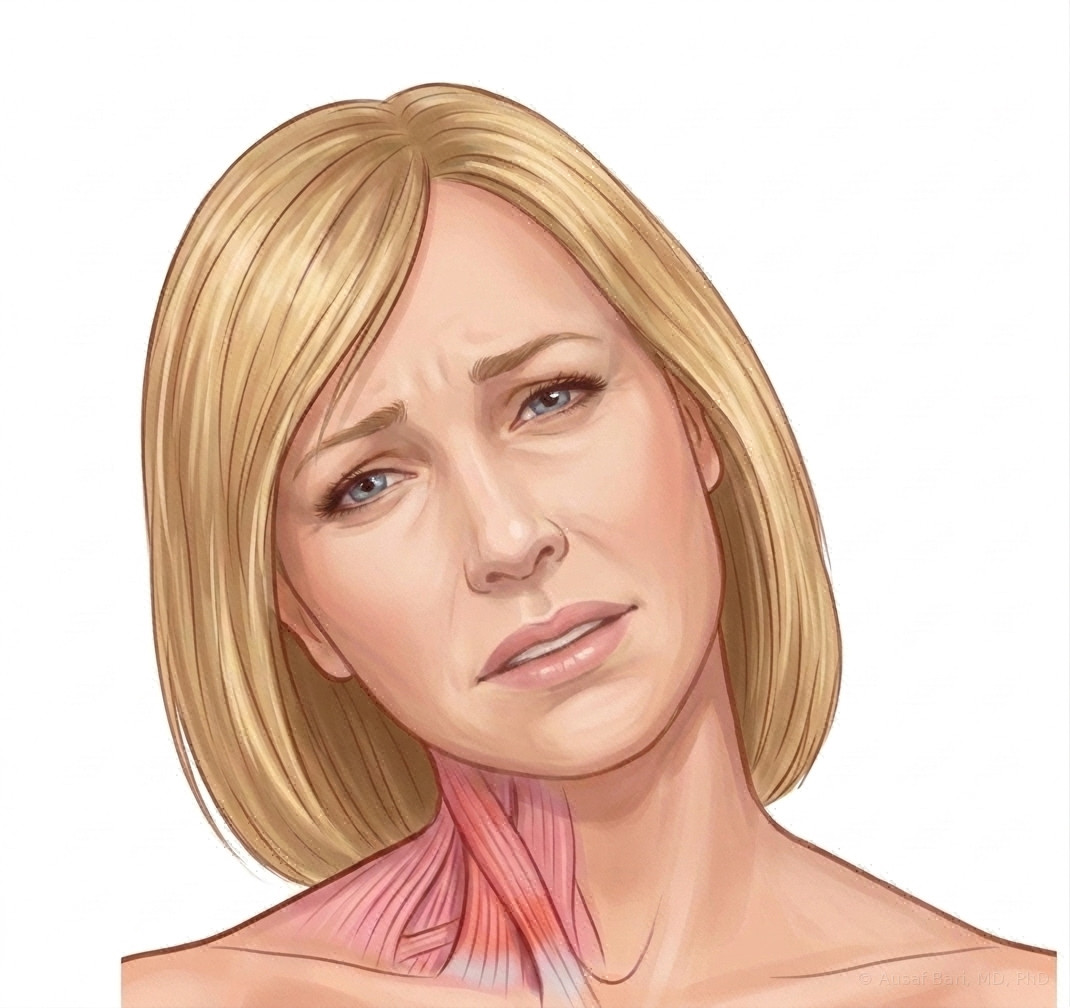
Symptoms may interfere with walking, neck movement, speaking, or opening the eyes. Muscle stiffness and abnormal postures can also be difficult to manage.
Treatment Starts With The Diagnosis
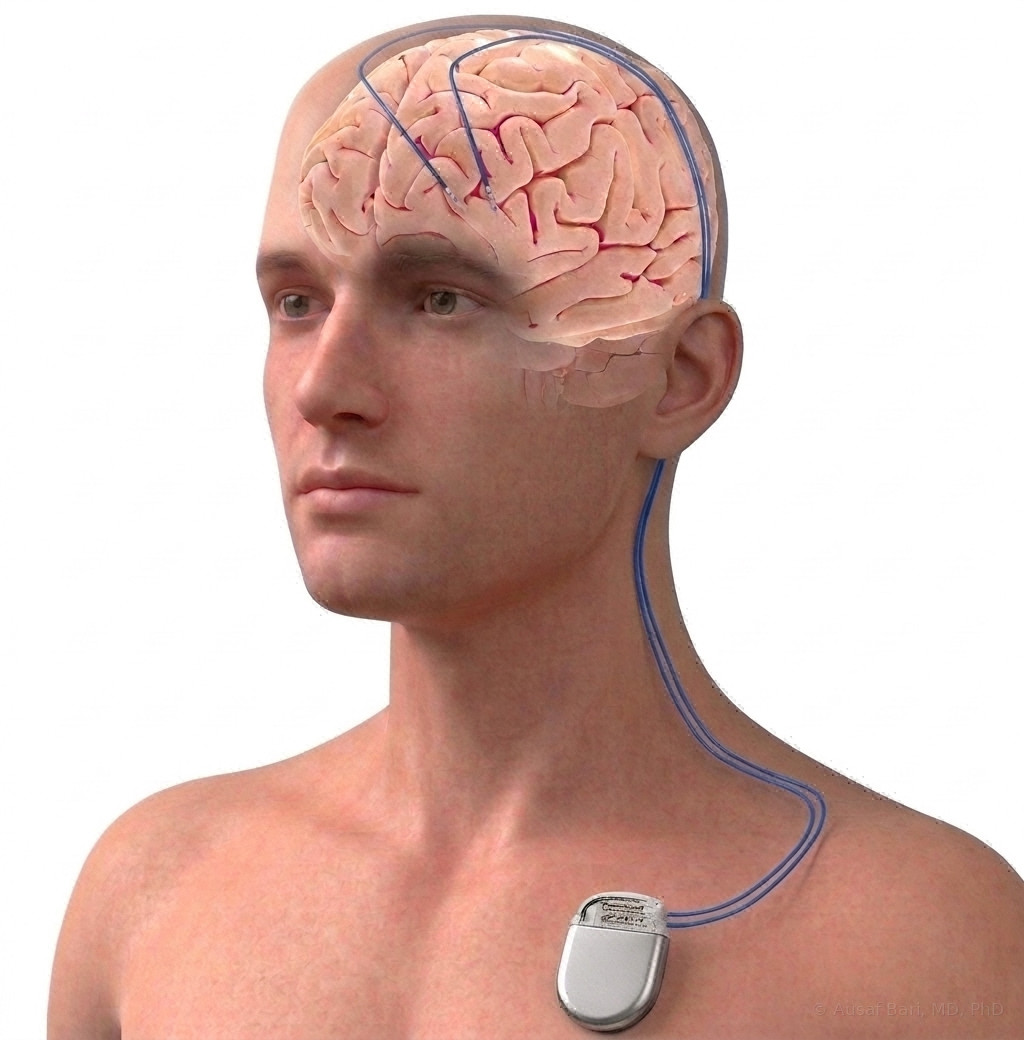
Medication and botulinum toxin injections are common first approaches. Deep Brain Stimulation may be considered when symptoms remain disabling despite appropriate treatment. Different forms of dystonia can respond differently.
What A Consultation Reviews
- When symptoms began and which body regions are affected.
- Possible inherited or acquired causes.
- Previous medicines, injections, and the activities you want to improve.
How Referrals Work For Movement Disorders
Dr. Bari does not decide on surgery alone, and the path starts with a movement disorders neurologist. Before a surgical consultation, a movement disorders neurologist, either one of Dr. Bari’s UCLA colleagues or a specialist near you, confirms the diagnosis, makes sure first-line medications have been given a fair trial, and, for Parkinson’s disease, confirms that you are on the right doses and that surgery is the appropriate next step. That referral is what starts the surgical evaluation.
If you do not have a movement disorders neurologist, call and the team will arrange one. If you already have one, ask them to send a referral with their notes, your medication history, and any imaging. Dr. Bari then sees you, reviews everything with the neurologist, and together you choose between focused ultrasound, DBS, and radiosurgery.
Questions To Bring
- Does my type of dystonia tend to respond to DBS?
- Which symptoms are the main treatment targets?
- What follow-up would be needed to assess progress?