What Classic Trigeminal Neuralgia Looks Like
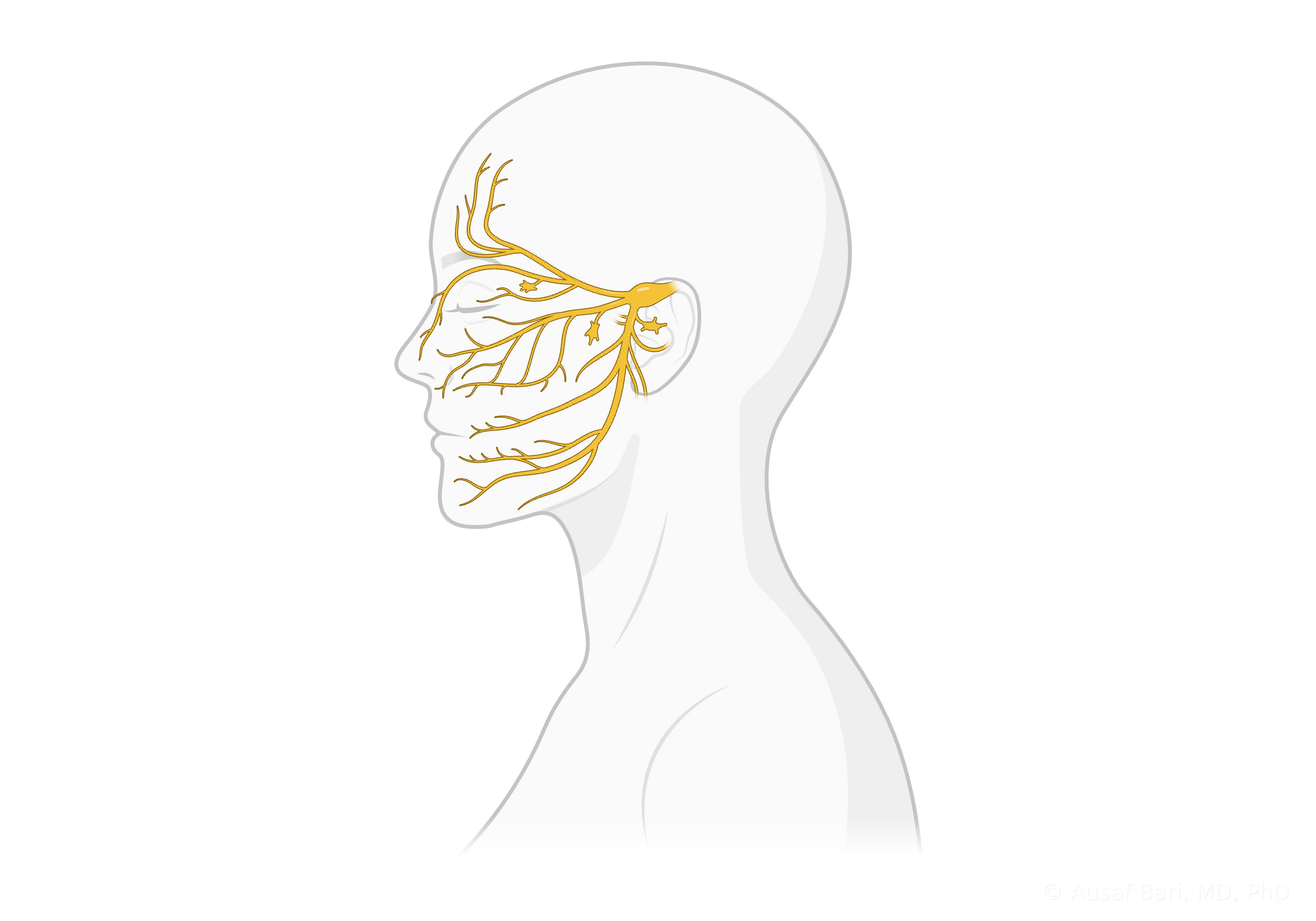
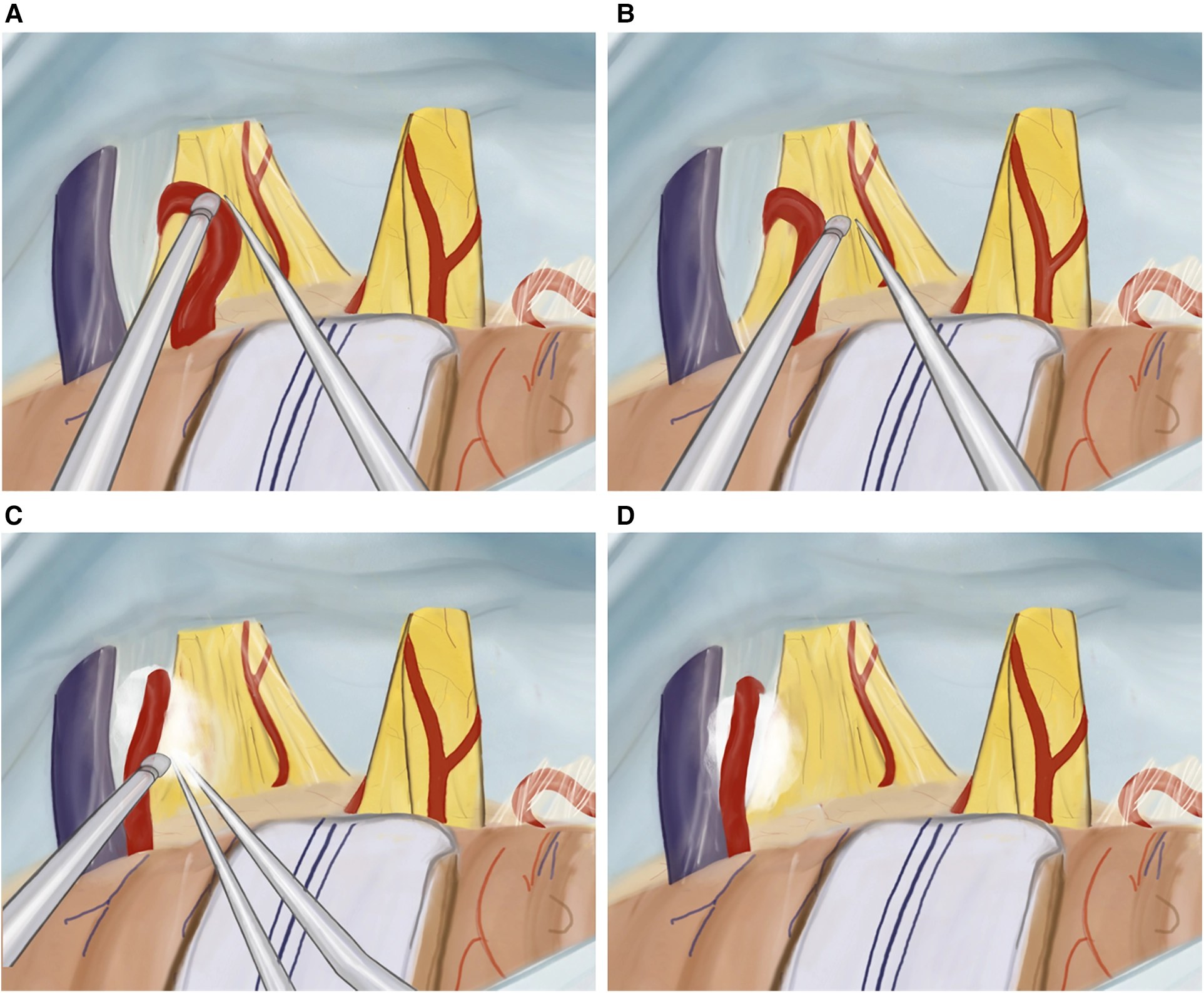
The trigeminal nerve carries sensation from the face through three branches. In classic trigeminal neuralgia, a blood vessel presses on the nerve where it enters the brainstem. The diagnosis is made from a characteristic set of symptoms, and the combination matters more than any single feature.
The Classic Constellation
When these five features are present together, the diagnosis is usually clear:
- One side of the face only. Pain on both sides is unusual and prompts a search for another cause.
- Sharp, stabbing, electric-shock pain rather than a dull ache.
- Brief attacks that come and go. Between attacks there is little or no pain. Constant pain points away from classic trigeminal neuralgia.
- Clear triggers: wind on the face, light touch, brushing the teeth, shaving, putting on make-up, chewing, or talking.
- A good response to the classic medications, carbamazepine or oxcarbazepine, at least at first.
Why Medication Response Matters
Carbamazepine and oxcarbazepine are the first treatment, and they are also a diagnostic test. Classic trigeminal neuralgia almost always responds to them, even if the effect fades or side effects such as drowsiness, dizziness, and unsteadiness later become hard to live with. Pain that never responded to these medicines is a red flag. It does not rule out trigeminal neuralgia, but it calls the diagnosis into question and usually means a procedure designed for classic trigeminal neuralgia will not help.
Atypical Facial Pain Is Different
Several conditions cause facial pain that is constant, burning, or aching rather than brief and electric. These are grouped as atypical facial pain, and they are treated differently:
- Multiple sclerosis: demyelination inside the brainstem can produce trigeminal pain without a compressing vessel. Symptoms may look classic, but the cause is different and the surgical options change.
- Post-herpetic neuralgia: burning, constant pain in the area of a previous shingles outbreak, usually the forehead and eye. This is nerve damage, not compression.
- Nerve injury after dental work, sinus surgery, or facial trauma: constant burning, aching, or numb pain in the injured territory, often with altered sensation.
- Persistent idiopathic facial pain: constant, poorly localized aching without triggers, sometimes on both sides.
Getting The Diagnosis Right
History and examination make the diagnosis. A high-resolution MRI looks for a vessel in contact with the nerve and rules out multiple sclerosis, a tumor, or another cause. Dr. Bari also reviews which medications were tried, at what doses, and what happened. The goal is to sort facial pain into the right category before any procedure is considered, because the right operation for classic trigeminal neuralgia is the wrong one for atypical pain.
Three Options For Classic Trigeminal Neuralgia
When medication no longer controls classic trigeminal neuralgia, three procedures are considered. They differ in how invasive they are, how durable the relief is, and what side effects to expect.
| Microvascular decompression | Balloon rhizotomy | Stereotactic radiosurgery | |
|---|---|---|---|
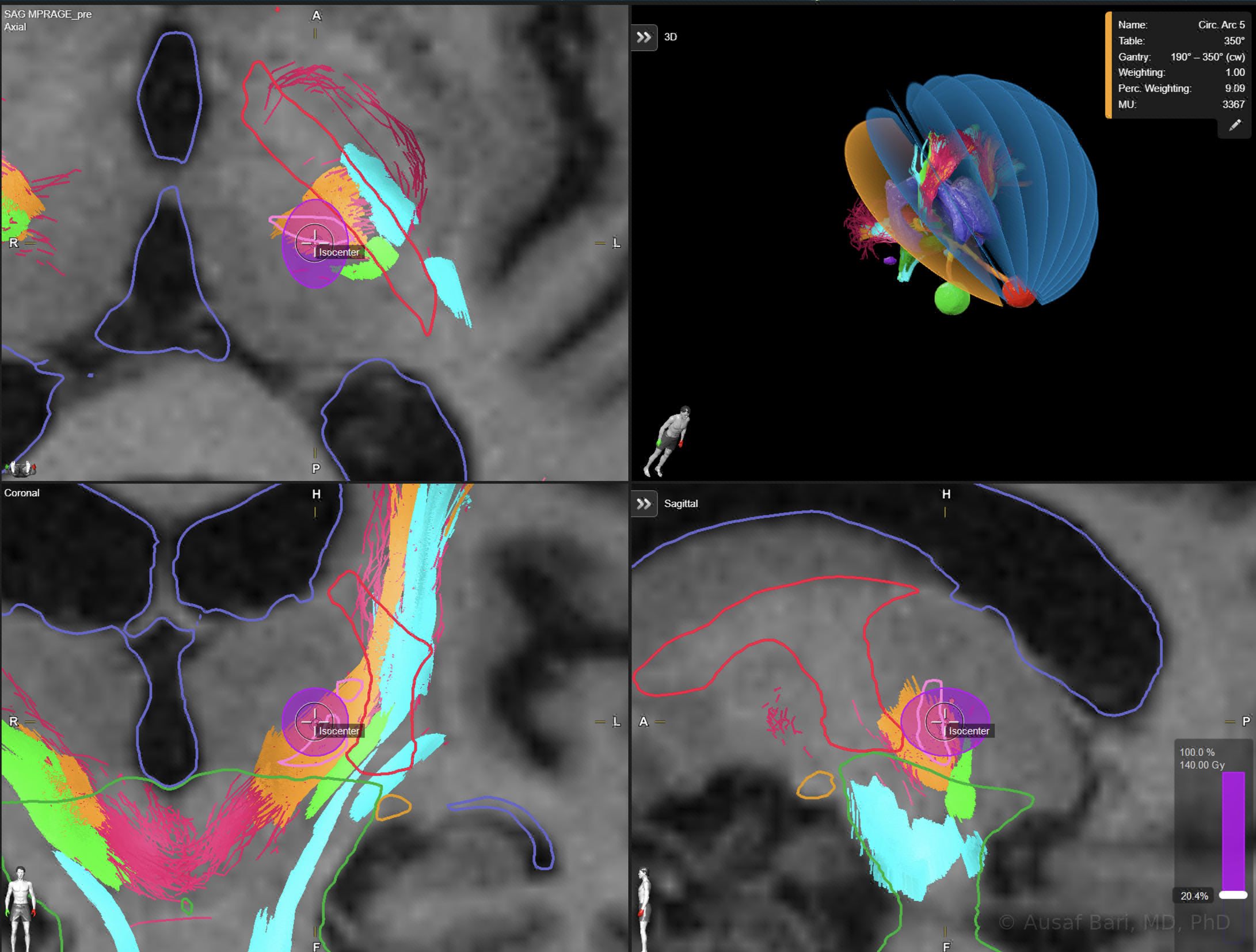
| What it is | An operation through a small opening behind the ear. The compressing vessel is moved off the nerve and a soft cushion is placed between them. | A needle passed through the cheek, under brief anesthesia, inflates a tiny balloon to gently compress the nerve. | Focused radiation delivered to the nerve root in a single outpatient session using a LINAC. No incision. |
| How it works | Addresses the cause directly and leaves the nerve intact. | Partly interrupts the nerve to stop the pain signals. | Partly interrupts the nerve over time. |
| Invasiveness | Most invasive: a craniotomy under general anesthesia with a hospital stay of a few days. | Minimal: a short procedure, usually home the same day. | None: an outpatient treatment session. |
| Durability | Closest to a cure. Most patients have long-lasting relief. | Pain usually returns after two to five years on average and the procedure can be repeated. | Relief develops over weeks. Pain usually returns after two to five years on average and treatment can be repeated. |
| Main risks | Small risks to the nearby facial (VII) and hearing (VIII) nerves, plus the usual risks of brain surgery. Facial numbness is uncommon. | Facial numbness is expected to some degree and can be permanent. Rarely, an unpleasant numb pain. | Facial numbness in a minority of patients, sometimes delayed. |
| Best suited to | Healthy patients who want the most durable result and accept an operation. | Patients who prefer to avoid brain surgery, or whose health makes it unwise; also for recurrence. | Patients who cannot have surgery or anesthesia, or who prefer no procedure at all. |
Dr. Bari performs all three and has no reason to steer you toward one. The choice depends on the cause of your pain, your age and health, how much numbness you are willing to accept, and how important lasting relief is to you.
When Facial Pain Is Atypical
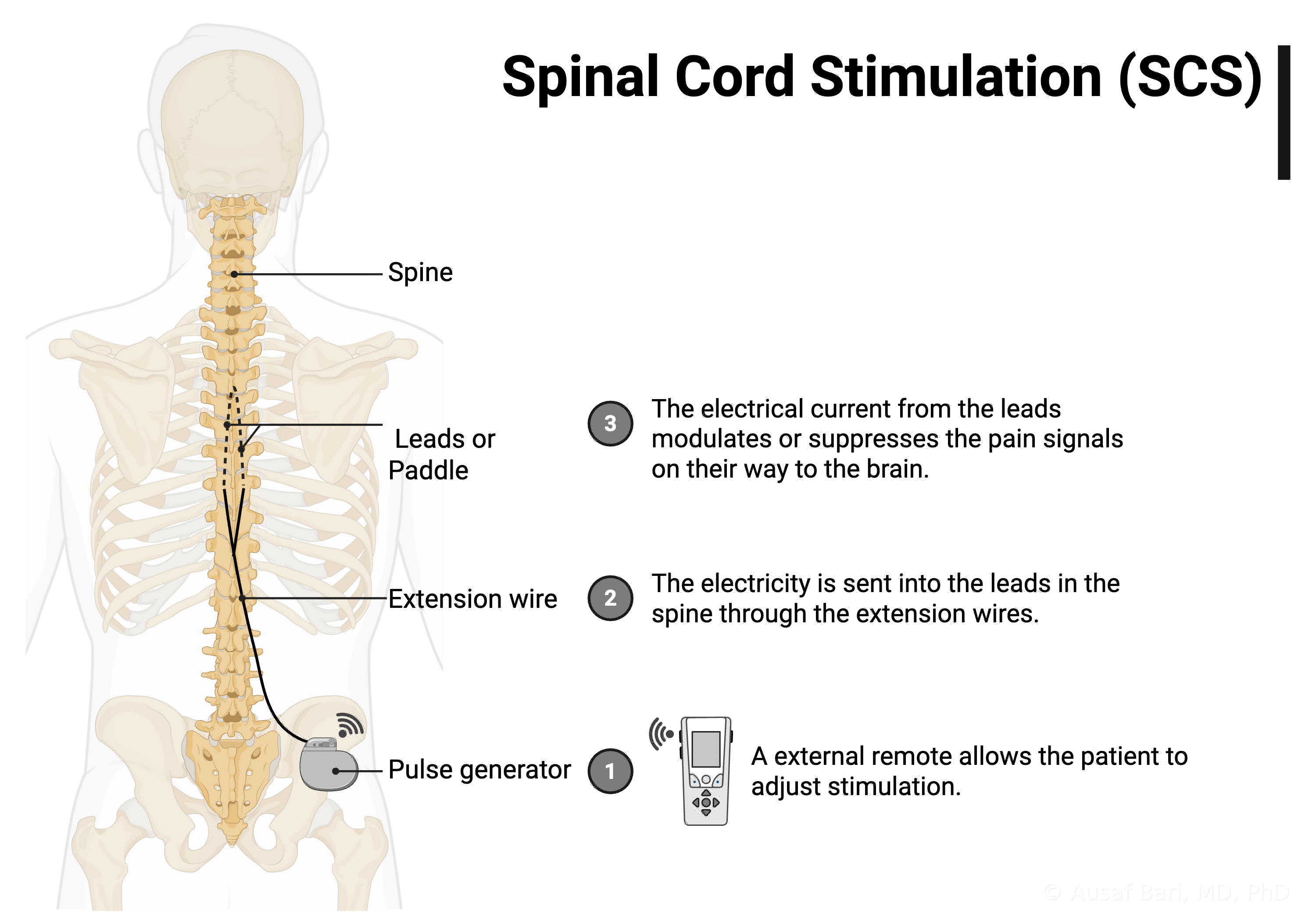
Microvascular decompression is not an option for atypical facial pain, because there is no compressing vessel to relieve, and destructive procedures often make constant neuropathic pain worse. For these patients Dr. Bari usually considers neuromodulation. Peripheral nerve stimulation places a thin electrode under the skin near the painful branch of the nerve; it is tested first with a one to two week outpatient trial, and a permanent system is placed only if the trial helps. Deep brain stimulation of the sensory thalamus and brainstem pain centers is considered for pain that has not responded to anything else, including pain after nerve injury, shingles, stroke, or a previous destructive procedure. In Dr. Bari’s own series about half of patients treated with DBS for neuropathic facial pain have had a meaningful response. DBS for pain is not an FDA-approved indication and is discussed as such, with the uncertainties spelled out.
How Dr. Bari Matches Facial Pain To Treatment
Because the cause decides the treatment, the first visit is spent sorting the pain into one of these groups. This is the working approach Dr. Bari uses in his facial pain practice; every plan is individual.
| Type of facial pain | Usual options |
|---|---|
| Classic trigeminal neuralgia | Microvascular decompression, balloon rhizotomy, or radiosurgery |
| Trigeminal neuralgia with multiple sclerosis | Radiosurgery or rhizotomy; deep brain stimulation for resistant cases |
| Post-herpetic neuralgia (after shingles) | Peripheral nerve stimulation; deep brain stimulation |
| Nerve injury after dental work, surgery, or facial trauma | Peripheral nerve stimulation; deep brain stimulation |
| Anesthesia dolorosa (numb, painful face after a previous procedure) | Deep brain stimulation |
| Facial pain after stroke | Deep brain stimulation or motor cortex stimulation |
| Radiation-induced facial pain | Deep brain stimulation; cingulotomy |
| Cluster headache and related headache syndromes | Occipital nerve stimulation; deep brain stimulation in selected cases |
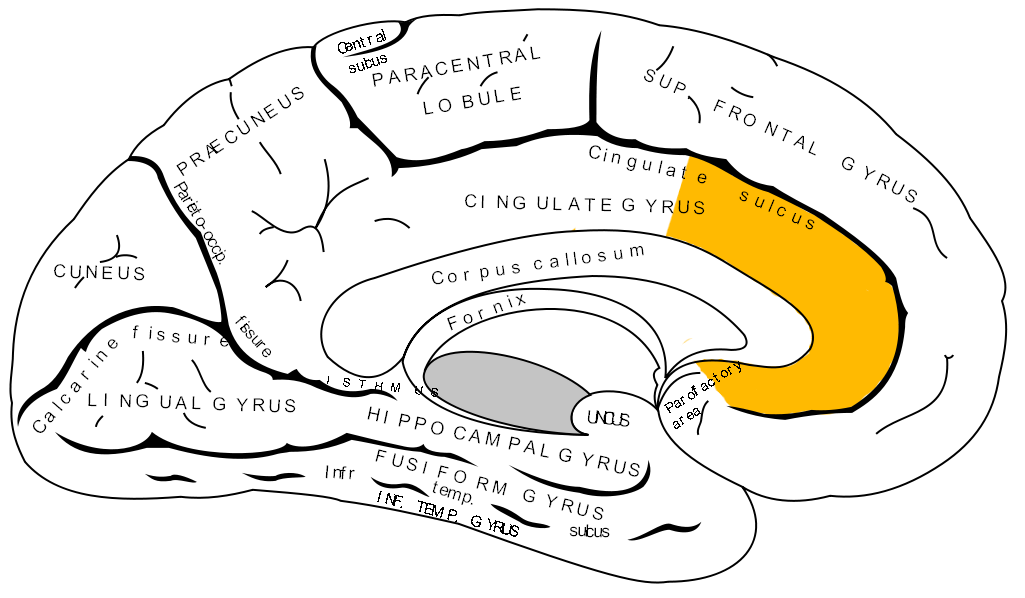
| Any facial pain with a heavy burden of suffering | Cingulotomy or stimulation of the brain’s emotional pain circuits |
Questions To Bring
- Does my pain pattern fit classic trigeminal neuralgia, or is it atypical?
- What does my MRI show, and is there a vessel touching the nerve?
- Which of the three procedures fits my situation, and why?
- How do the procedures compare in recovery, numbness risk, and how long relief tends to last?
- If my pain is atypical, what would neuromodulation involve?