Different Pain Patterns Need Different Plans
Specialized treatment may be considered for persistent pain after spine surgery, complex regional pain syndrome, brachial plexus or other nerve injury, painful neuropathy, and selected facial pain. The cause and the pain pattern guide the plan, and a surgical consultation is most useful after appropriate nonsurgical care has not provided enough relief.
Options Beyond Medication
Dr. Bari directs a comprehensive neurosurgical pain practice. The tools include:
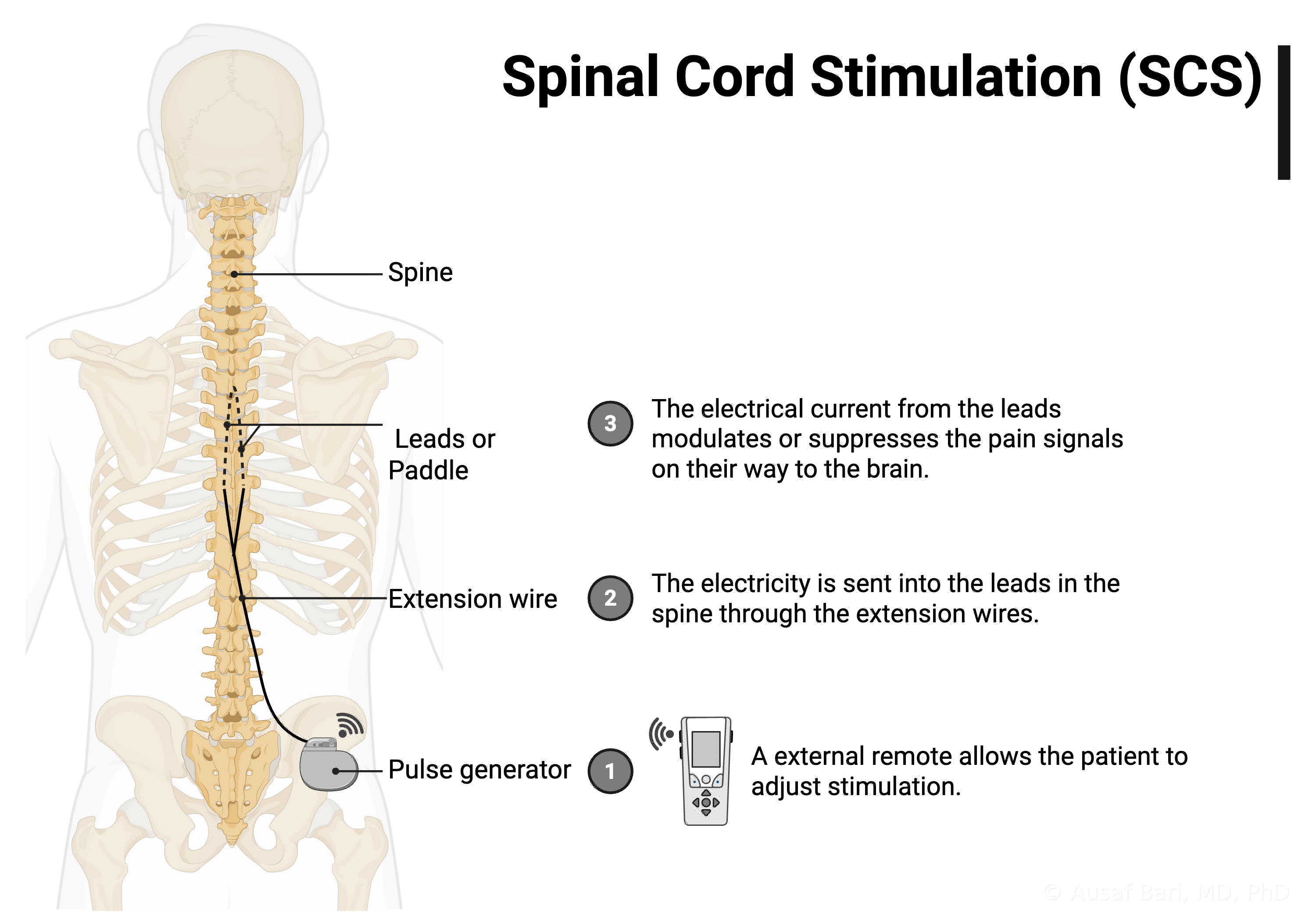
- Spinal cord stimulation and dorsal root ganglion stimulation, for persistent back, neck, arm, or leg pain, including pain after spine surgery and complex regional pain syndrome. A temporary trial comes first.
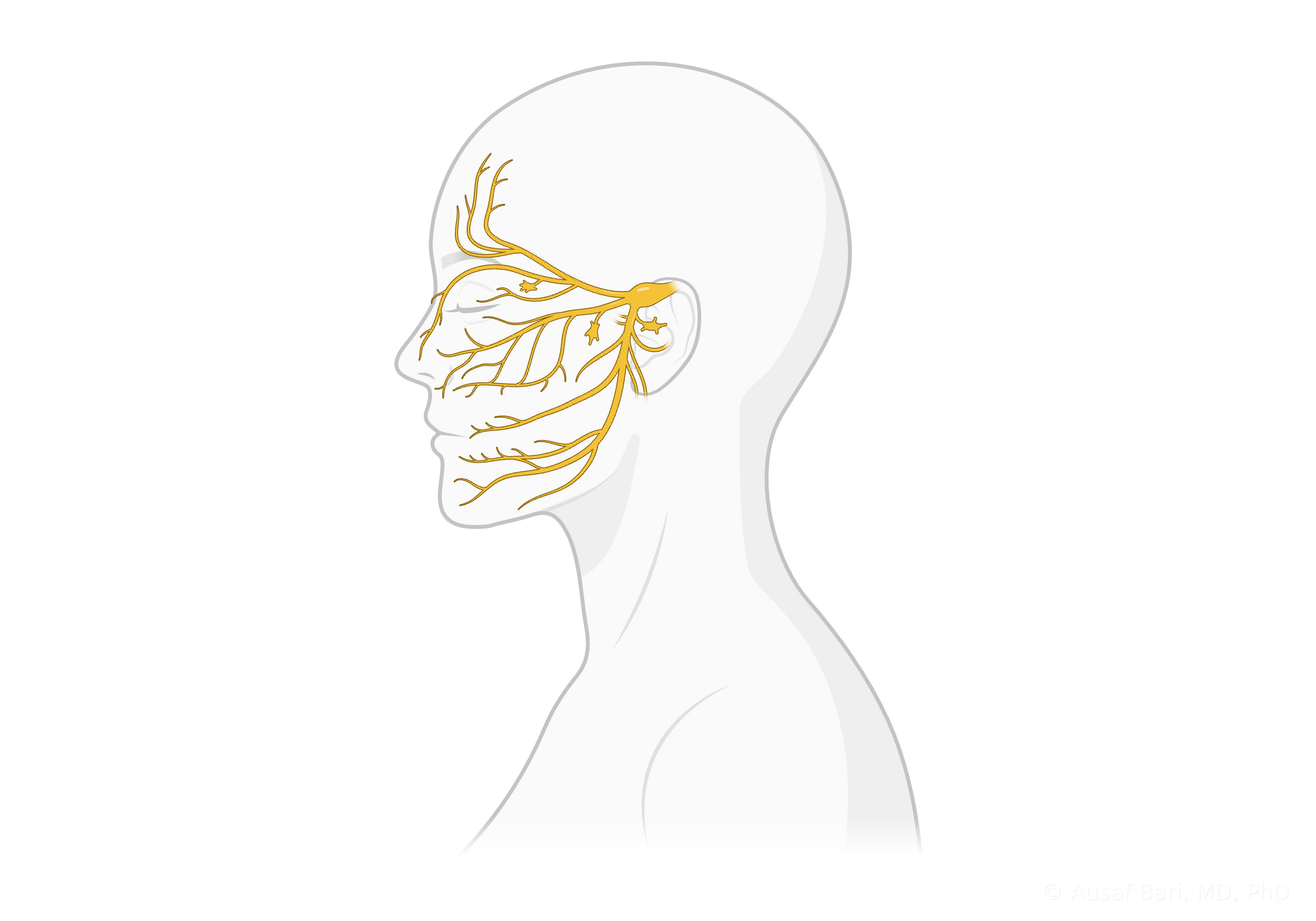
- Peripheral nerve stimulation, for pain confined to a single nerve, including the nerves of the face and the back of the head.
- Occipital nerve stimulation for occipital neuralgia and selected headache disorders.
- Intrathecal pumps that deliver medication directly to the fluid around the spinal cord.
- DREZ lesioning for the specific, severe pain that follows brachial plexus avulsion.
- Cingulotomy with laser ablation for severe cancer pain or pain with an overwhelming burden of suffering.
- Deep brain stimulation for selected neuropathic and facial pain that has failed everything else.
DREZ Lesioning For Brachial Plexus Avulsion Pain
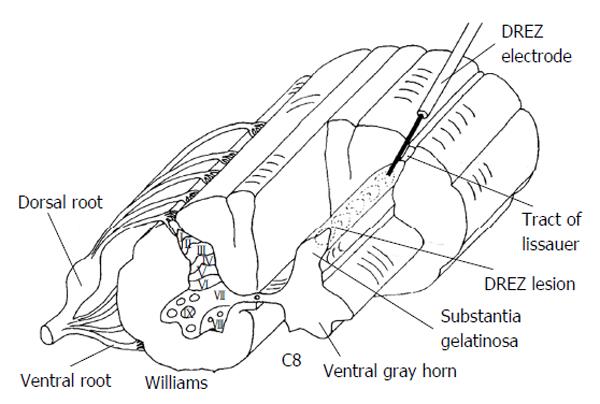
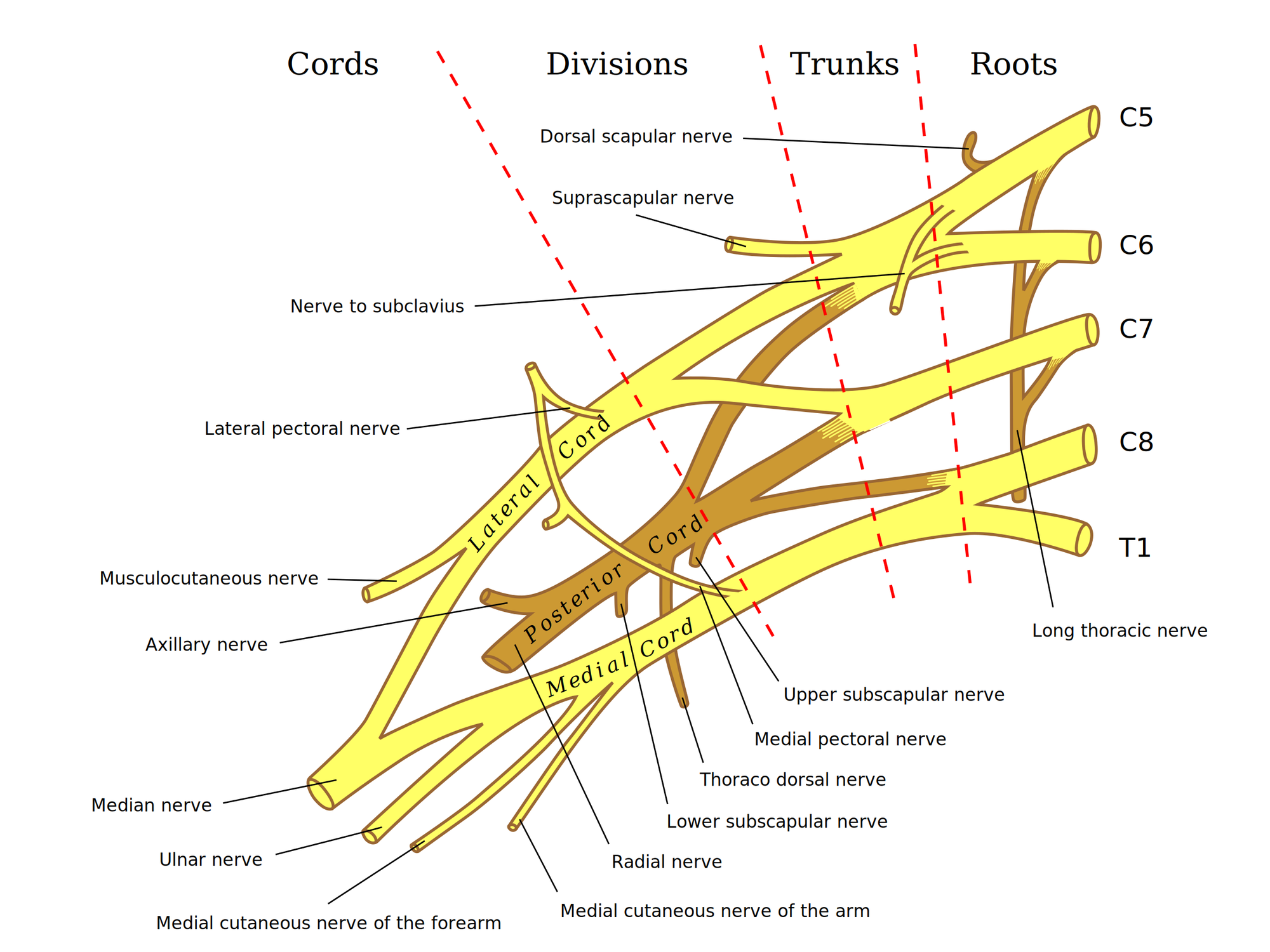
A brachial plexus avulsion is a traumatic injury, most often from a motorcycle or other high-speed accident, in which the nerve roots that supply the arm are torn out of the spinal cord itself. The arm is left weak or paralyzed and numb, and in many patients a severe pain develops in the weeks or months that follow: a constant burning or crushing pain in the numb hand and arm, with sudden electric-shock bursts on top of it. Because the roots have been pulled away from the cord, the pain is not coming from the arm. It is generated inside the spinal cord, where the sensory nerve cells that lost their input begin firing on their own. That is why medication, nerve blocks, and spinal cord stimulation so often fail in this particular condition.
The dorsal root entry zone, or DREZ, is the strip along the back of the spinal cord where each sensory root enters. Just beneath it lie the tract of Lissauer and the outer layers of the dorsal horn, which is where the abnormal pain signals arise after avulsion. DREZ lesioning treats the source directly. Under general anesthesia, Dr. Bari removes a small amount of bone from the back of the neck, opens the covering of the spinal cord, and identifies the levels where the roots were torn away, usually between C5 and T1. Along those levels he makes a row of tiny, precisely placed lesions, about two millimeters deep and spaced about a millimeter apart, angled into the dorsal horn so the pain-generating cells are interrupted while the nearby pathways for leg movement and sensation are spared. Dr. Bari uses a combined technique, radiofrequency heat together with a fine mechanical lesion, which he has published as an operative video for other surgeons. Nerve monitoring runs throughout. Most patients stay in the hospital a few days.
Across the published series, about four out of five patients have at least half of their pain relieved, and for many the relief is lasting. The electric-shock component responds most reliably; the constant background pain improves in most patients but less predictably. The main risk is a change in strength or sensation in the leg on the same side, which is usually mild and temporary, affecting roughly one patient in ten. Spinal fluid leak and wound problems are uncommon. Because the arm is already numb and usually paralyzed from the injury, the operation does not sacrifice useful function. DREZ lesioning is specific to pain from avulsed roots; it is not used for ordinary nerve injury or neuropathy, where stimulation is usually the better tool.
Established Care And Research
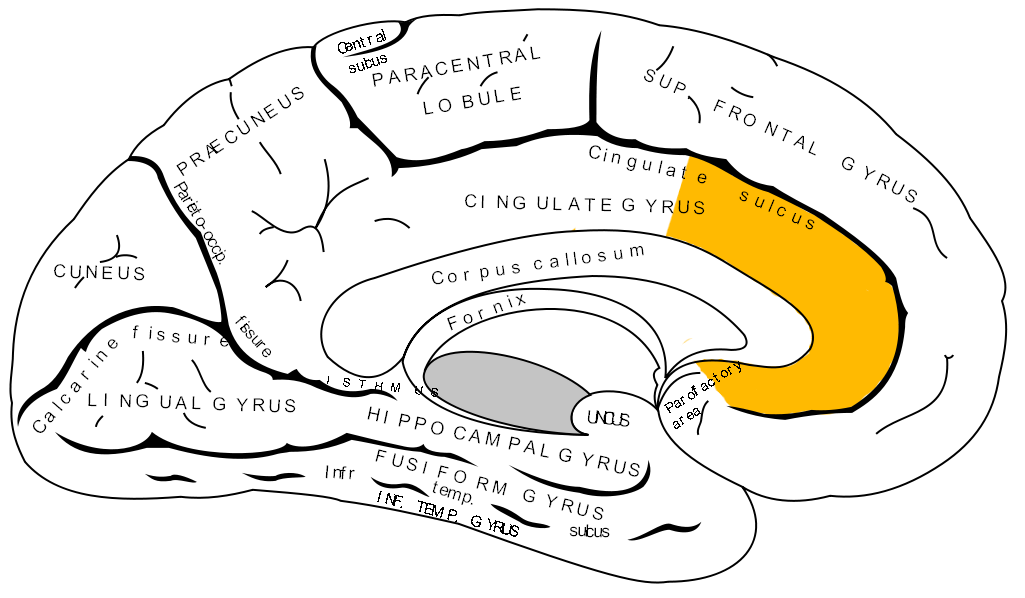
Chronic pain is a brain state as much as a body signal, and the brain networks involved overlap with those of mood. Dr. Bari leads the first NIH-funded trial of deep brain stimulation of the subgenual cingulate for severe chronic low back pain, part of the NIH HEAL initiative to reduce reliance on opioids. That work is investigational, with study-specific eligibility and informed consent, and it is kept clearly separate from the established options above.
Clinical Trial: DBS For Chronic Low Back Pain
Dr. Bari is the principal investigator of the first-in-human study of deep brain stimulation for chronic low back pain, funded by the National Institutes of Health. The target is the subgenual cingulate cortex, the part of the brain that gives pain its emotional weight and that stays active in people whose pain has become chronic. The study is for adults with severe low back pain that has not responded to medication, injections, spine surgery, or spinal cord stimulation. It measures safety, pain, disability, and opioid use, and uses recordings from the electrodes to learn how the pain network behaves. See all open clinical trials.
Questions To Bring
- Which part of my pain might treatment address?
- Could a stimulation trial help assess benefit?
- What changes in daily activity would count as success?