When To Seek An Evaluation
If two appropriately chosen and tolerated antiseizure medicines have not controlled your seizures, the chance that a third will do so is low. This is the point at which epilepsy specialists recommend a comprehensive evaluation, not because surgery is inevitable, but because the options widen considerably.
The evaluation can revisit the diagnosis, review previous treatment, and investigate where seizures begin. Some people learn that their events are not epileptic seizures at all; others learn that a treatable focus has been present all along.
Understanding The Seizure Network
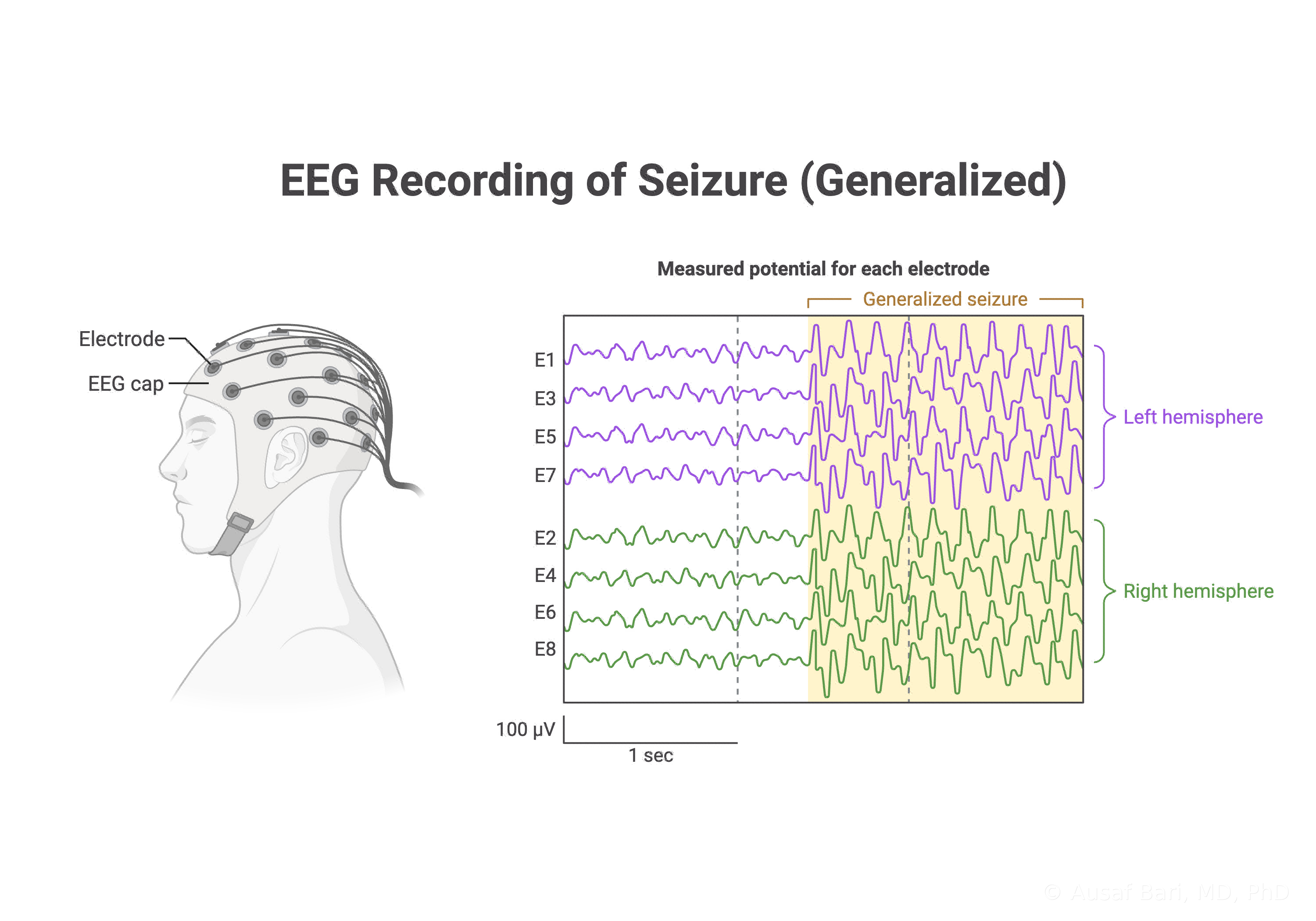
Seizures begin in a network of brain tissue and spread from there. Video-EEG monitoring, high-resolution MRI, PET imaging, and neuropsychological testing help define that network and map the brain functions that must be protected, such as language, movement, vision, and memory.
When the picture is still unclear, stereo-EEG places thin electrodes through small openings in the skull to record directly from inside the brain for several days. Dr. Bari performs this procedure, and the recordings guide the choice of treatment.
Three Paths Beyond Medication
Once the evaluation shows where seizures begin, treatment falls into one of three paths. Resection removes the seizure focus. Laser ablation destroys it through a tiny opening without open surgery. Neuromodulation leaves the brain tissue in place and uses an implanted device to quiet the seizure network. Each path is explained below, and the comparison table shows how they differ. A fourth, investigational path, cell therapy, is described further down.
| Resection | Laser Ablation (LITT) | Neuromodulation (VNS, DBS, RNS) | |
|---|---|---|---|
| What it does | Removes the seizure focus | Heats and destroys the focus with a laser fiber | Stimulates the seizure network with an implanted device |
| Best suited to | One well-defined focus in tissue that can be removed safely | A small, well-localized focus such as the hippocampus | Seizures that start in more than one place, in tissue that must be preserved, or that cannot be localized |
| Goal | Seizure freedom | Seizure freedom | Fewer and milder seizures, improving over years |
| Opening | Craniotomy | About the size of a grain of rice | Small incisions for the device and leads; VNS involves no brain surgery |
| Hospital stay | Several days | Usually overnight | Usually overnight or same day |
| Reversible | No | No | Yes; the device can be turned off or removed |
Resection
When seizures begin in one well-defined area that can be removed safely, resection offers the best chance of seizure freedom. In temporal lobe epilepsy, the most common surgical form in adults, a landmark randomized trial found 58 percent of surgical patients free of disabling seizures at one year versus 8 percent with medication alone, and long-term seizure freedom after temporal lobe surgery is about 60 percent. The operation is planned around the brain map from the evaluation so that language, movement, vision, and memory are protected. Risks include a small visual field defect, memory changes, and the usual risks of brain surgery.
Laser Ablation (LITT)
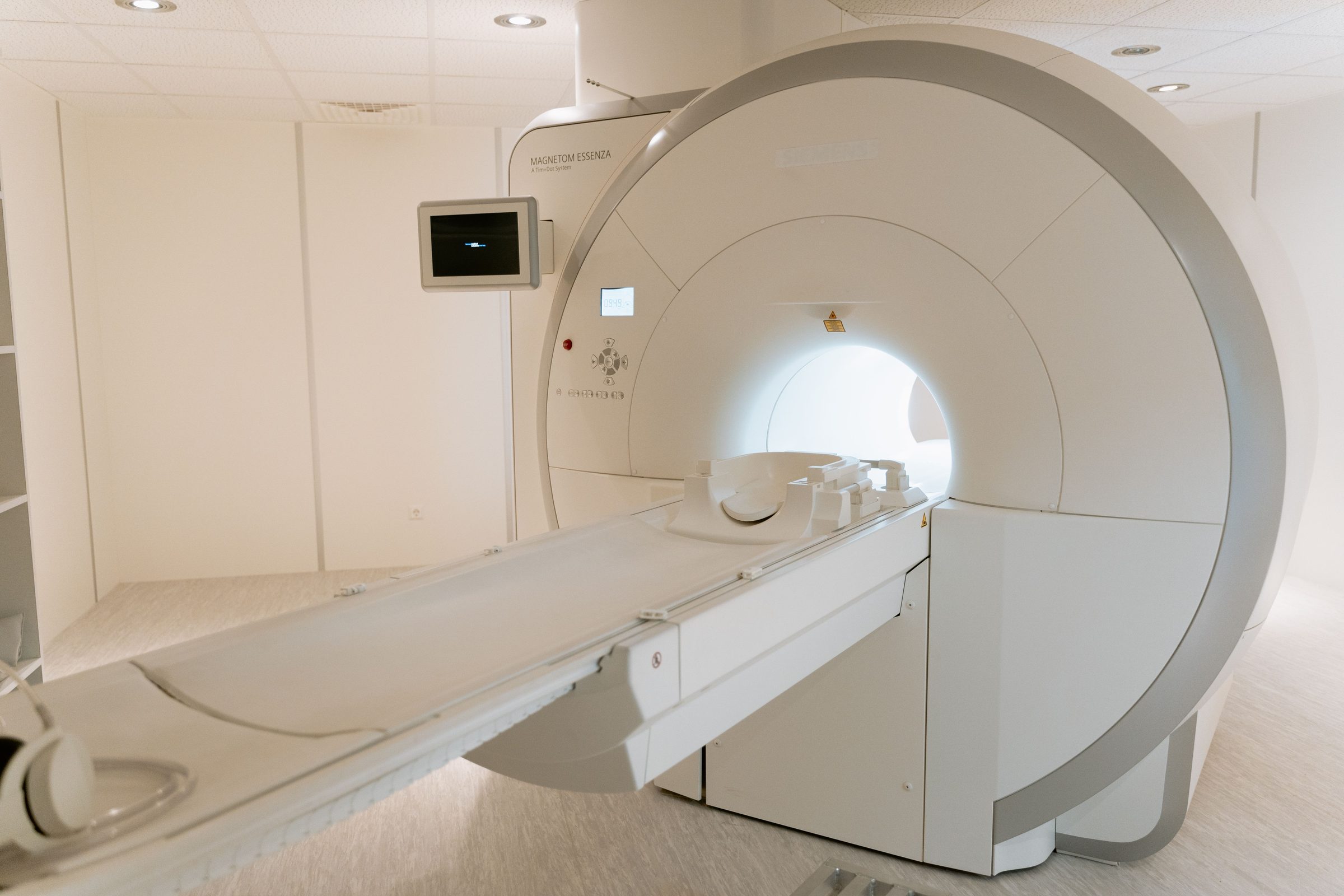
Laser interstitial thermal therapy treats a well-defined focus through an opening the size of a grain of rice. A thin laser fiber is guided to the target with the same stereotactic precision used for DBS, and MRI temperature maps show the heating in real time so the ablation stops exactly where planned. Most people go home the next day. Compared with open surgery, recovery is faster and memory and language are more often preserved, at the cost of a somewhat lower chance of seizure freedom for temporal lobe epilepsy. It is a strong option for small targets and for people who want to avoid a craniotomy.
Neuromodulation: Three Devices
When the seizure focus cannot be removed, or there is more than one, an implanted device can reduce seizures without taking tissue away. Dr. Bari offers all three FDA-approved systems. They differ in where the electrodes go, how the stimulation is delivered, and which kinds of epilepsy they suit best. Benefit with all three typically grows over the first years of treatment.
Vagus Nerve Stimulation (VNS)
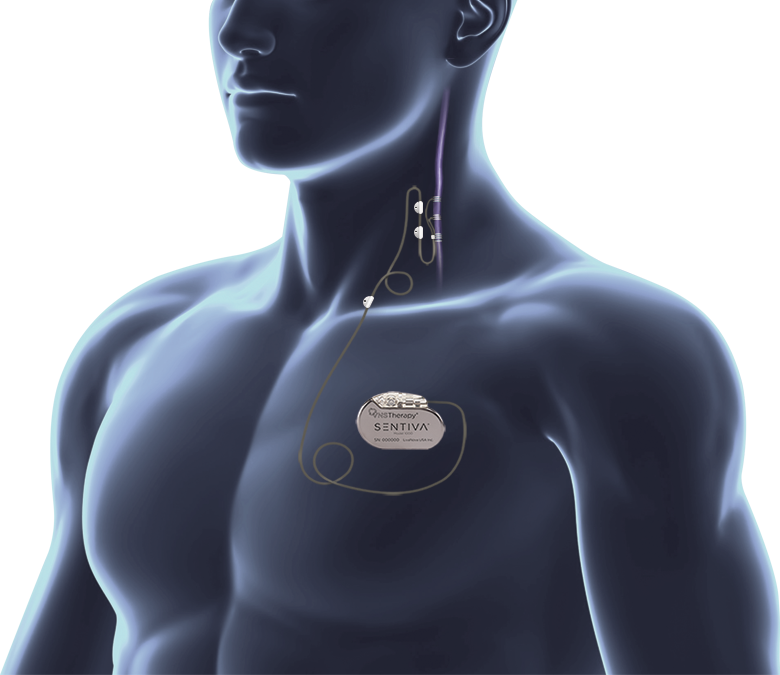
VNS is the only option that involves no operation on the brain. A small generator is placed under the skin of the upper chest and a lead is wrapped around the left vagus nerve in the neck, in an outpatient procedure of about an hour. The device delivers brief, regular pulses, and newer generators also respond automatically to the rise in heart rate that often accompanies a seizure. A handheld magnet can trigger an extra dose when a seizure begins.
VNS is used for focal and generalized epilepsy when the focus cannot be removed, and it is often chosen for children and for people who do not want brain surgery. Roughly half of patients have their seizures cut by half or more, and the benefit continues to grow over the first two years. Side effects are mostly a hoarse voice or cough during stimulation.
Deep Brain Stimulation (DBS)
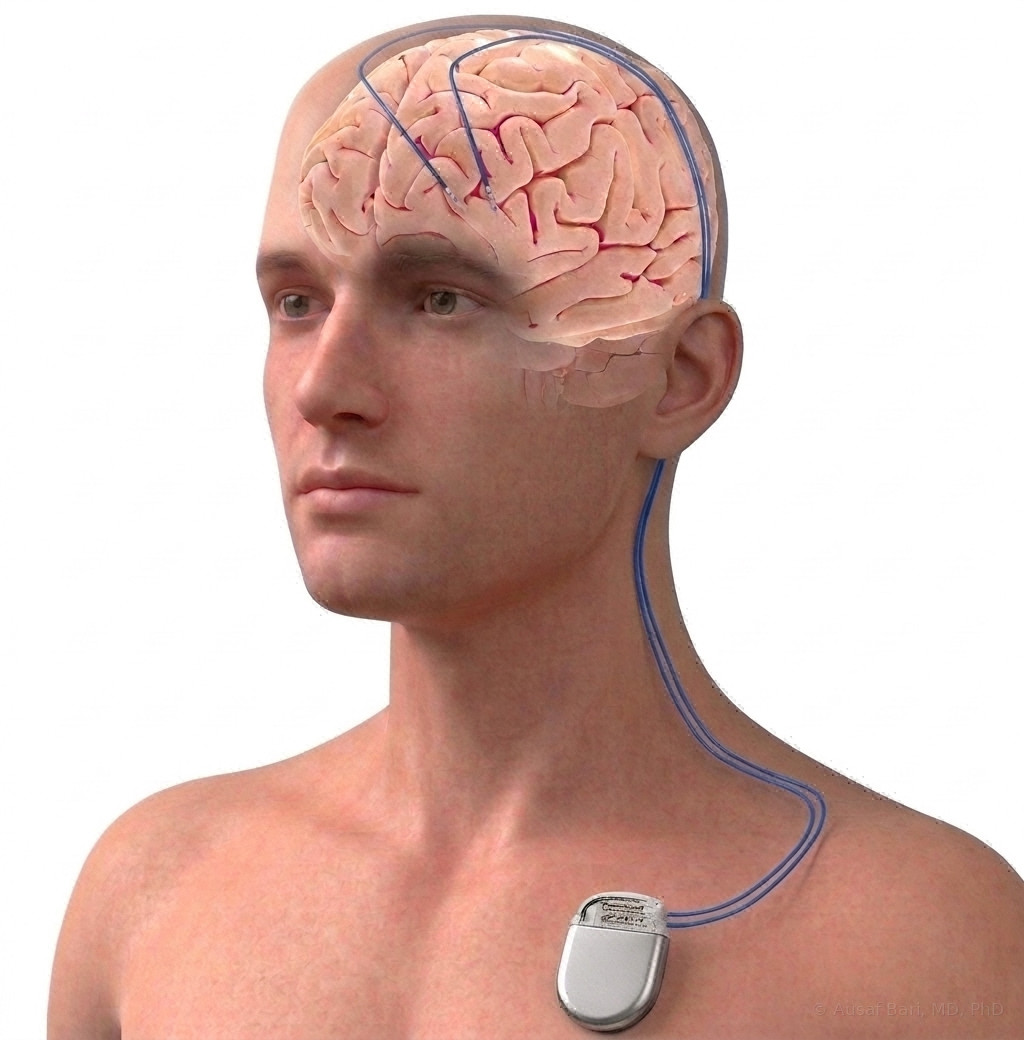
DBS places thin electrodes in the thalamus, the deep relay center that seizure networks pass through, connected to a generator under the skin of the chest. Stimulation of the anterior nucleus of the thalamus was FDA approved in 2018 for focal epilepsy that begins in more than one area or cannot be localized. In the pivotal SANTE trial, seizures fell by 40 percent with stimulation versus 15 percent with the device off, and after five years the median reduction reached 69 percent.
A second thalamic target, the centromedian nucleus, is increasingly used for generalized epilepsies such as Lennox-Gastaut syndrome and idiopathic generalized epilepsy, where the seizures involve the whole brain at once. Dr. Bari uses this target in selected patients, and the newest generators can record thalamic activity so his team can see how the network responds and refine the settings over time. The same recordings feed his research on seizure forecasting.
Responsive Neurostimulation (RNS)
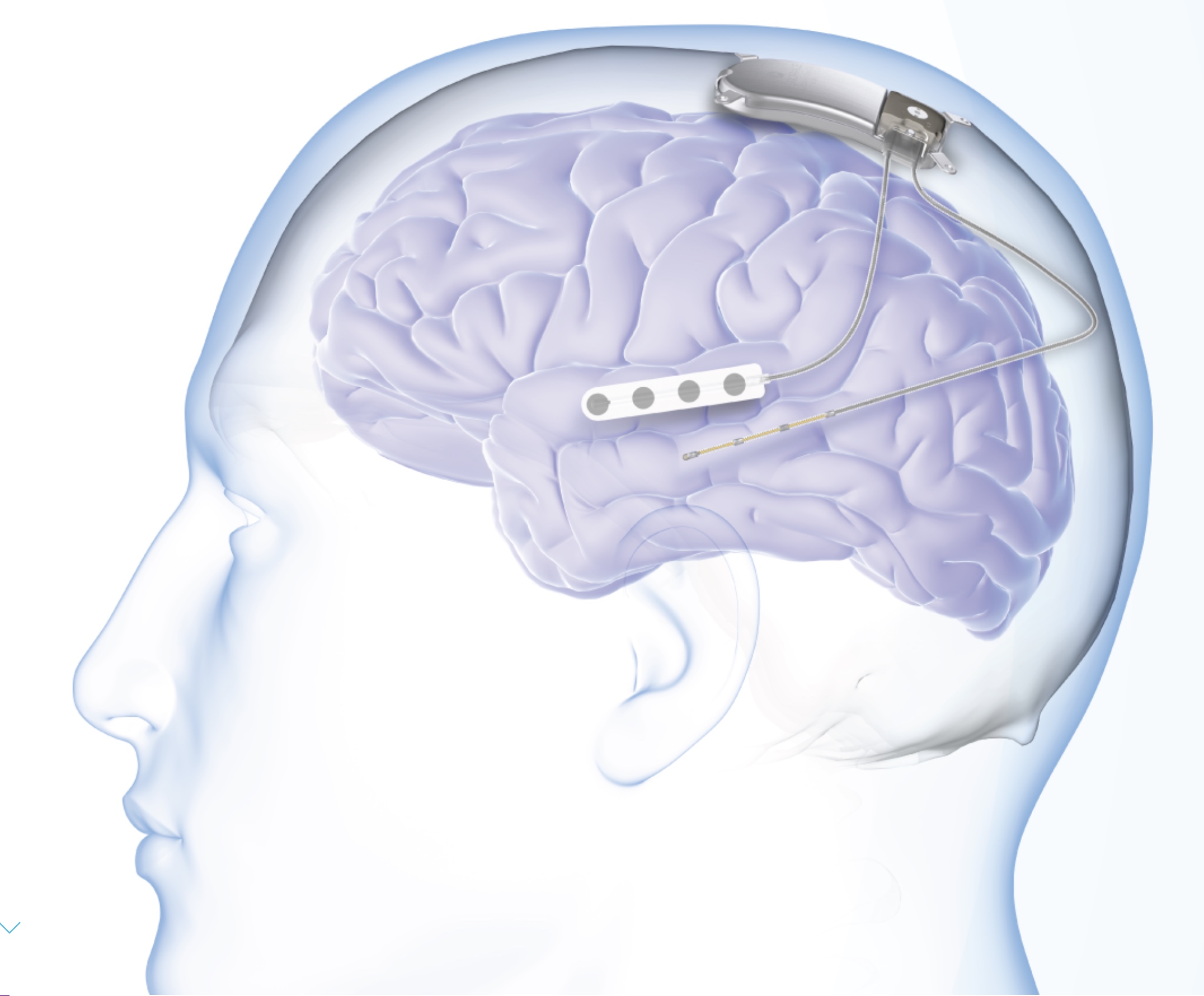
The RNS System, FDA approved in 2013, is a small device set into the skull, connected to electrodes placed at one or two seizure-onset areas. Unlike VNS and DBS, it does not stimulate on a schedule. It listens to the brain continuously, recognizes the electrical signature of a seizure as it starts, and delivers a brief pulse to stop it, usually before the person feels anything.
RNS is the choice when seizures begin in areas that cannot be removed, such as language or memory regions, or in two separate areas, for example both temporal lobes. The recordings it stores let Dr. Bari see exactly when and where seizures arise, which often changes treatment. In the long-term study, median seizure reduction reached 75 percent at nine years. Responsive stimulation of the centromedian thalamus for idiopathic generalized epilepsy was studied in the NAUTILUS trial with a 77 percent reduction in convulsive seizures at 18 months; that use is not yet FDA approved and is offered in selected patients after careful discussion.
Cell Therapy Trial: NRTX-1001 (EPIC)
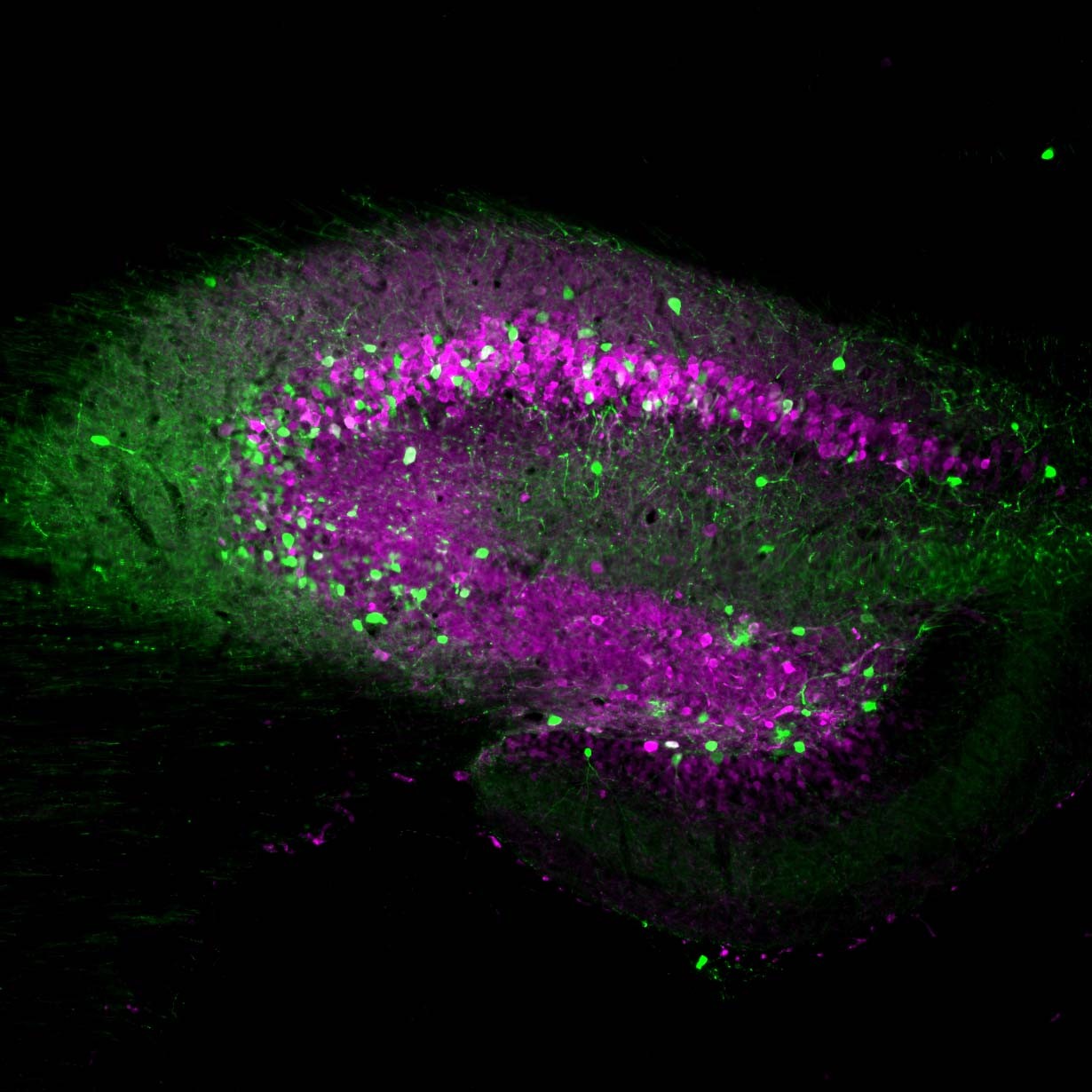
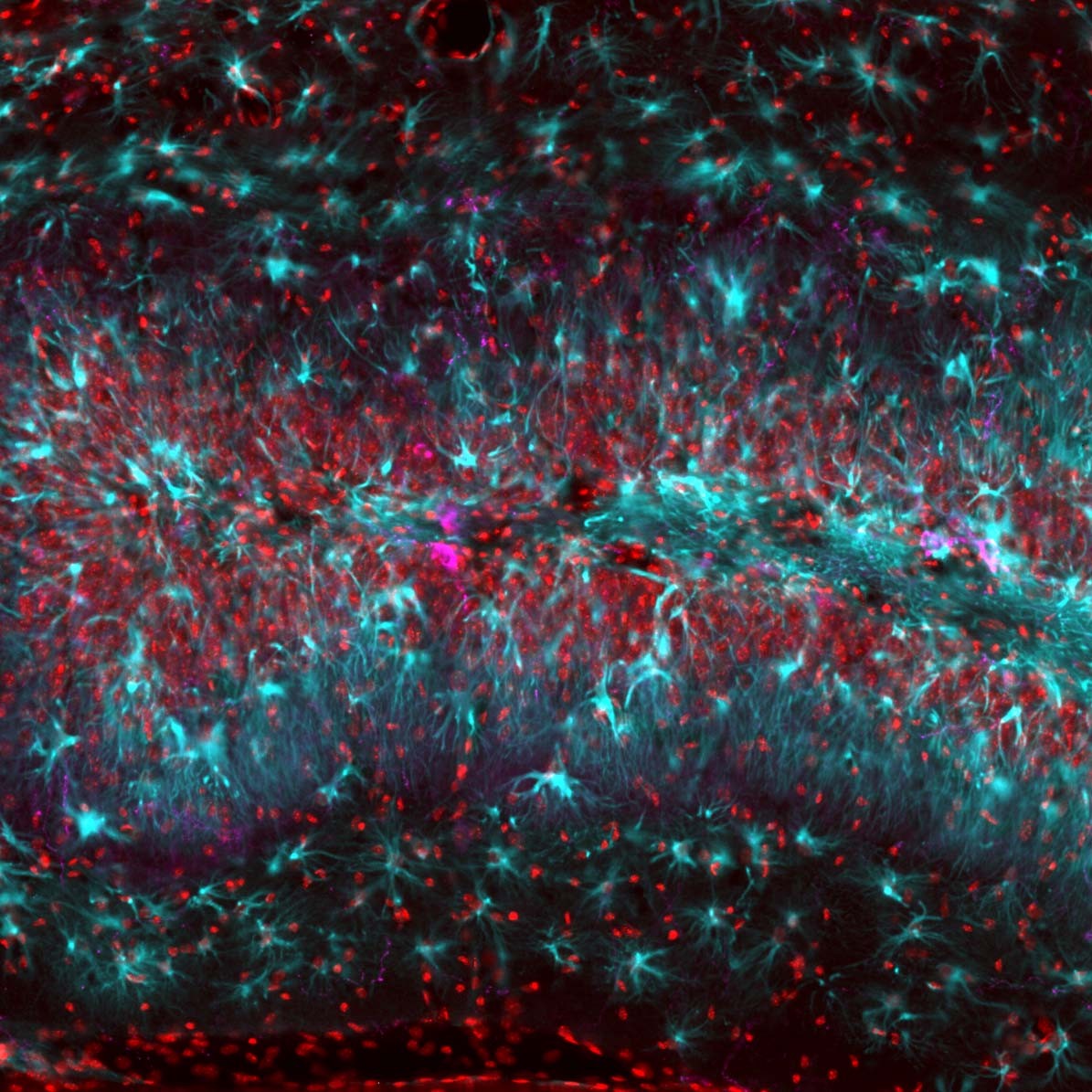
A fourth path is emerging. NRTX-1001 is a one-time transplant of human inhibitory interneurons, nerve cells that release the calming neurotransmitter GABA, into the seizure focus in the temporal lobe. The cells are meant to settle into the network and quiet it permanently, without removing tissue. In the early-phase study, most treated patients had a large, sustained drop in seizures, which led to the Phase 3 EPIC trial.
UCLA is an EPIC site. The trial is randomized and sham-controlled for adults 18 to 75 with drug-resistant seizures from one temporal lobe, a single focus in one hippocampus, and at least two disabling seizures a month. People who have already had a temporal lobectomy or laser ablation are not eligible. Dr. Bari performs the image-guided delivery of the cells. Read more on the cell-based therapies page or see all open clinical trials.
How Referrals Work For Epilepsy
Epilepsy surgery is a team decision, and it begins with an epilepsy neurologist, not with the surgeon. Your first referral goes to the epilepsy neurologists at UCLA’s comprehensive epilepsy program, who confirm the diagnosis, review your medication history, and run the workup: video-EEG monitoring, high-resolution MRI, often PET, and neuropsychological testing. Some patients also need stereo-EEG, which Dr. Bari performs.
With the workup complete, the team meets and decides two things: first, whether you are a candidate for surgery at all, and second, which procedures fit your seizure network, from resection or laser ablation to VNS, DBS, or RNS. Dr. Bari then meets with you to go over the surgical options in detail. If you or your neurologist would like to start that process, call and ask for an epilepsy referral; the team will direct it to the right place.
Questions To Bring
- Do we know where my seizures begin, and is that area safe to remove?
- Am I a candidate for resection, laser ablation, or a device, and why?
- If a device, which of the three fits my seizure type best?
- Would treatment aim for seizure freedom or fewer seizures?