Who It Is For
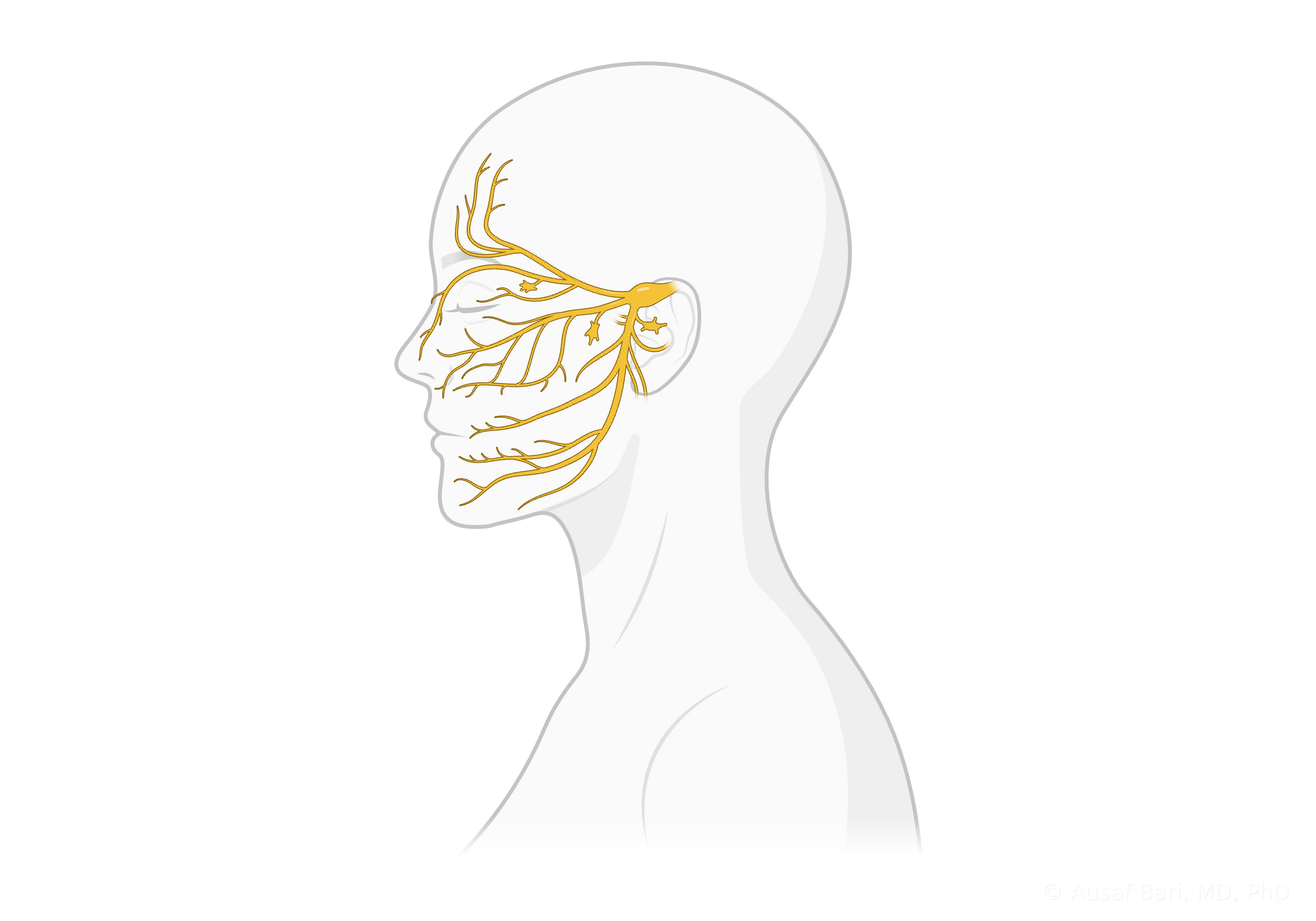
Classic trigeminal neuralgia that no longer responds to medication, or that responds only at doses with side effects that are hard to live with, in patients healthy enough for an operation under general anesthesia. It is also the definitive treatment for hemifacial spasm, the involuntary twitching of one side of the face caused by a vessel pressing on the facial nerve. It is not used for atypical facial pain.
The Operation
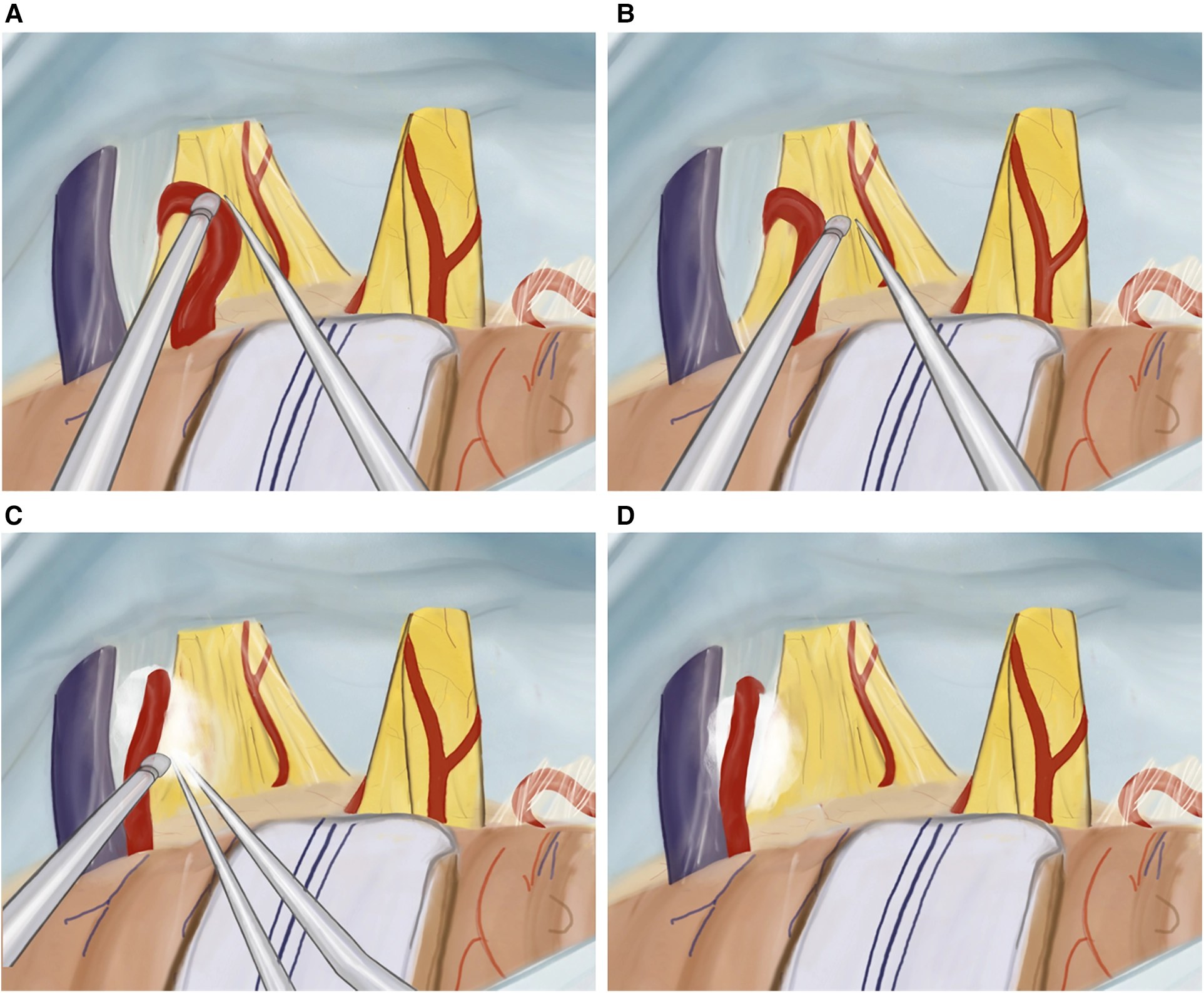
Through an opening about the size of a large coin behind the ear, Dr. Bari uses the operating microscope to reach the point where the nerve enters the brainstem. The artery or vein pressing on the nerve is gently moved away and held apart with a soft Teflon cushion. The nerve itself is left intact, which is why numbness is uncommon. The operation takes a few hours and most patients stay in the hospital two to three days.
What To Expect Afterward
Many patients wake up with the pain gone; for others it fades over days to weeks. Medication is tapered under supervision once the pain has settled. Headache and fatigue for a couple of weeks are common, and most people return to normal activity within four to six weeks.
Risks
Microvascular decompression is the most invasive option for trigeminal neuralgia, and its risks are those of a small craniotomy:
- Small risks to the neighboring facial nerve (weakness) and hearing nerve (hearing loss on that side), which run beside the trigeminal nerve.
- Leakage of spinal fluid, infection, or bleeding, as with any brain operation.
- Facial numbness is uncommon compared with the destructive procedures.
- Pain can return years later in a minority of patients, and the operation can be repeated or another procedure chosen.
How It Compares
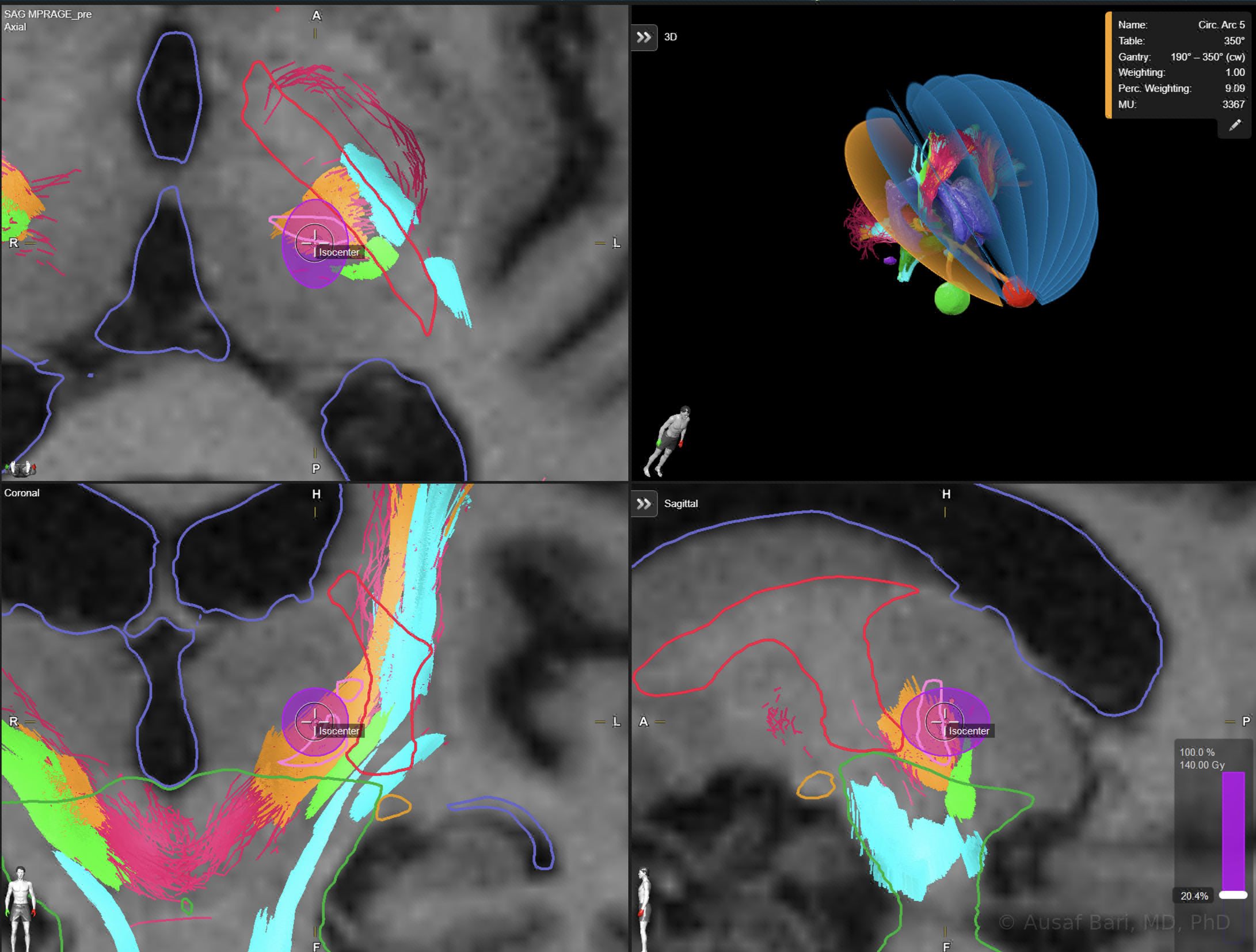
Balloon rhizotomy and radiosurgery are lighter procedures, but they work by partly interrupting the nerve, so numbness is expected to some degree and pain usually returns after two to five years on average. Microvascular decompression is the closest thing to a cure. Dr. Bari performs all three and will lay out the tradeoffs for your situation.
Questions For Your Consultation
- Does my MRI show a vessel touching the nerve?
- Am I healthy enough for general anesthesia and a short hospital stay?
- What are my chances of lasting relief, and of numbness?
- What would recovery look like for me?