What Cell Therapy Is
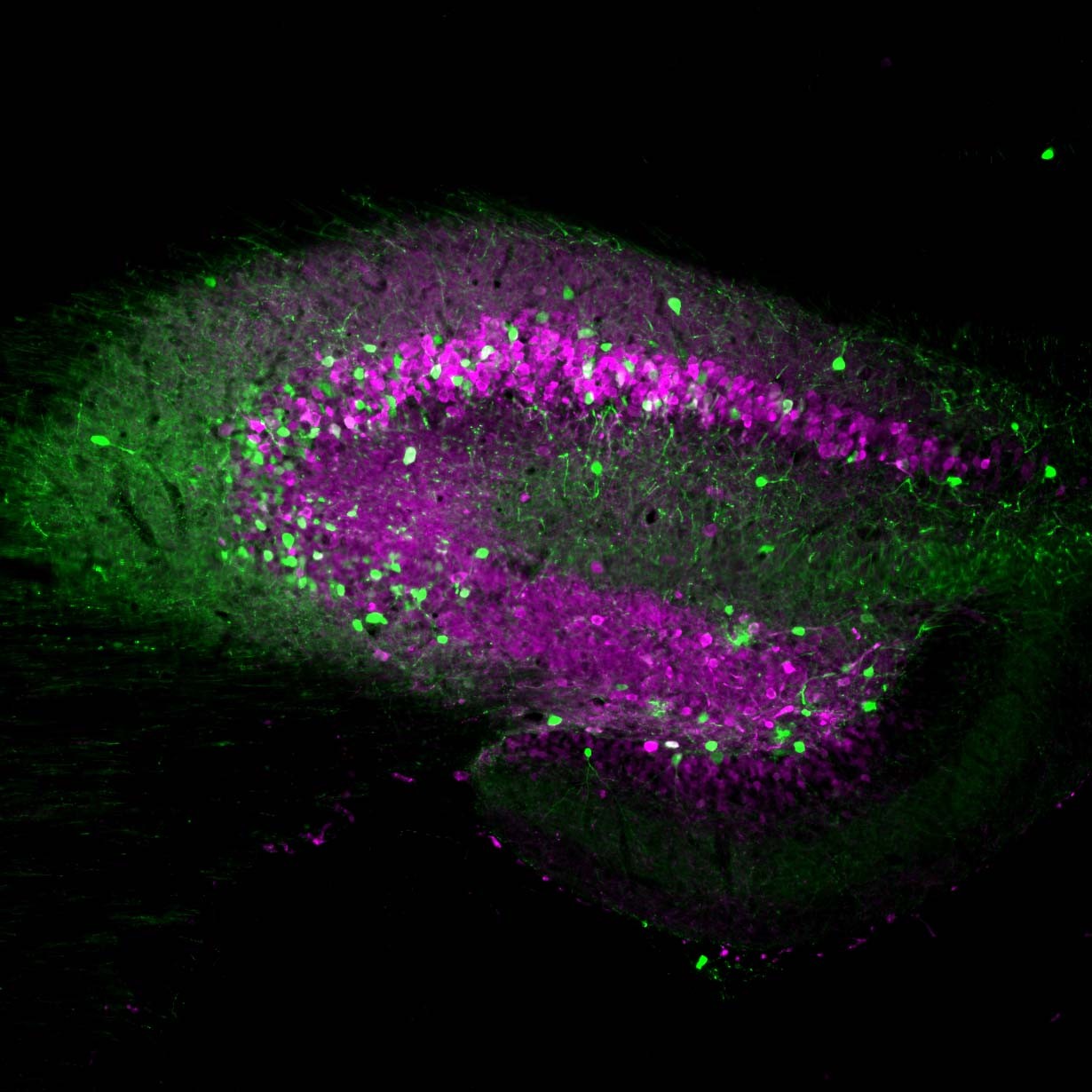
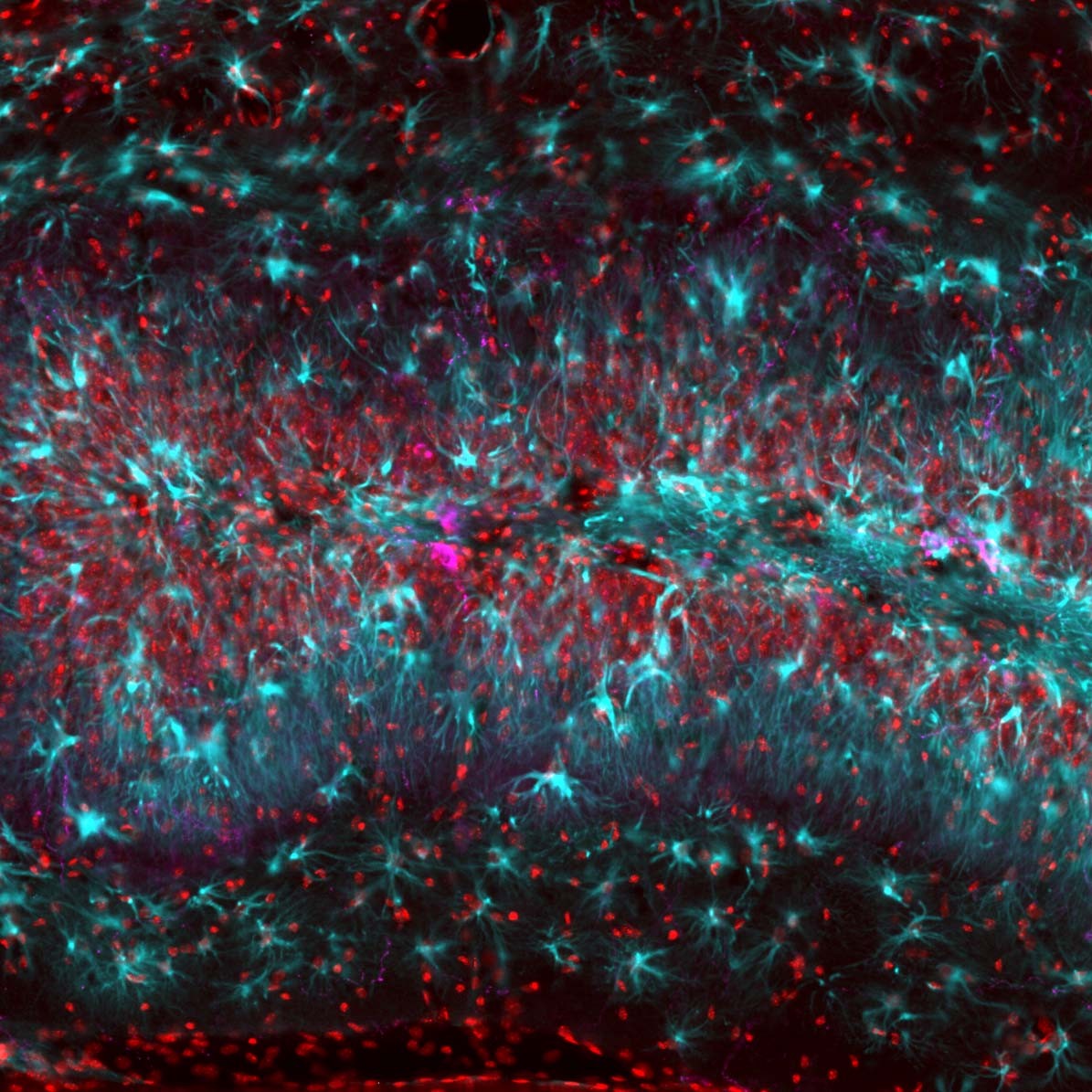
Most neurological conditions come down to cells that are missing, damaged, or firing in the wrong way. Cell therapy grows replacement nerve cells in the laboratory, usually from stem cells, and places them precisely where they are needed. The goal is a single treatment whose effect lasts because the cells stay, connect, and keep working. Delivery uses the same stereotactic, image-guided targeting that Dr. Bari uses for DBS and laser ablation: a thin cannula is guided to the target through a small opening, and the cells are infused slowly under imaging.
Epilepsy: NRTX-1001 And The EPIC Trial
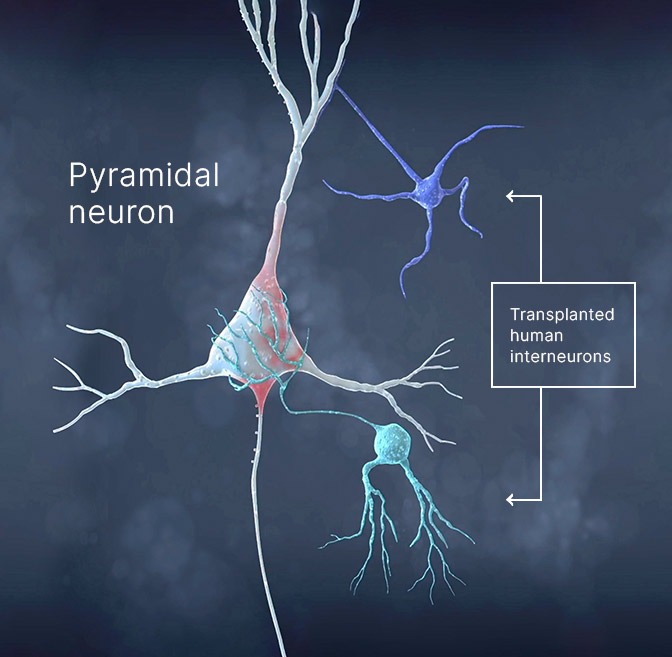
The first cell therapy Dr. Bari offers is for drug-resistant temporal lobe epilepsy. NRTX-1001 is made of human inhibitory interneurons, the cells that release GABA and keep brain activity in check. Transplanted into the seizure focus, they are designed to quiet the network permanently without removing any tissue, an alternative to resection or laser ablation that preserves memory circuits. Participants take an immunosuppressant for the first year while the cells settle in.
UCLA is a site in EPIC, the Phase 3 randomized, sham-controlled trial. Eligibility, the study design, and how to ask about it are on the epilepsy page and the clinical trials page.
Parkinson’s Disease And Beyond
Cell therapy for Parkinson’s disease, in which laboratory-grown dopamine neurons are transplanted into the striatum to replace the cells the disease destroys, has reached Phase 3 testing in the United States. Trials in other conditions, including stroke and spinal cord injury, are earlier. Dr. Bari follows this field closely, and as the functional neurosurgeon who performs stereotactic delivery, he will offer new cell therapies at UCLA as trials open. Ask at your consultation whether a study fits your situation.
What To Expect In A Trial
A trial has strict entry criteria, a formal consent process, and more visits than routine care. Some trials include a sham procedure, so you may not receive the cells at first; ask what the study offers sham participants afterward. The investigational treatment itself is typically provided by the study. Participation is voluntary and never affects your access to standard care.
Questions For Your Consultation
- Is there an open cell therapy trial for my condition?
- How does cell therapy compare with the approved options for me?
- What does the sham arm mean for me, and what happens afterward?
- What would the immunosuppressant and follow-up involve?