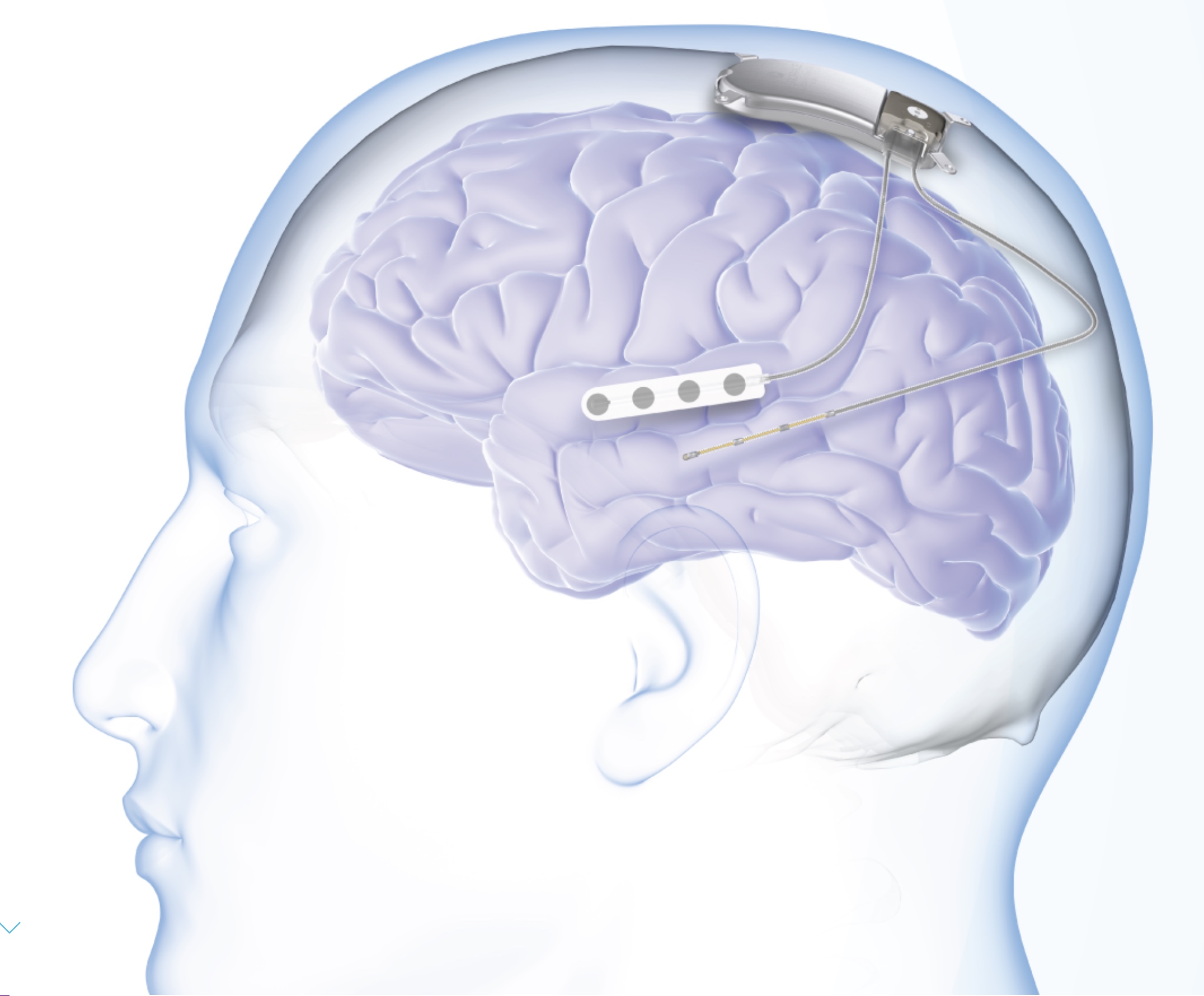
One Nerve, Three Treatments
The vagus nerve runs from the brainstem through the neck to the chest and abdomen. Most of its fibers carry information toward the brain, where they influence attention, learning, mood, and inflammation. Stimulating the nerve has been an established therapy since the first implant for epilepsy in 1988. Dr. Bari implants vagus nerve stimulators for three FDA-approved uses.
The three devices are different. Epilepsy uses a LivaNova VNS Therapy generator in the chest with a lead to the neck. Stroke recovery uses the Vivistim generator, also in the chest, paired with rehabilitation. Rheumatoid arthritis uses the SetPoint implant, a capsule-sized device placed directly on the nerve in the neck with no generator and no lead.
Paired VNS For Stroke Recovery
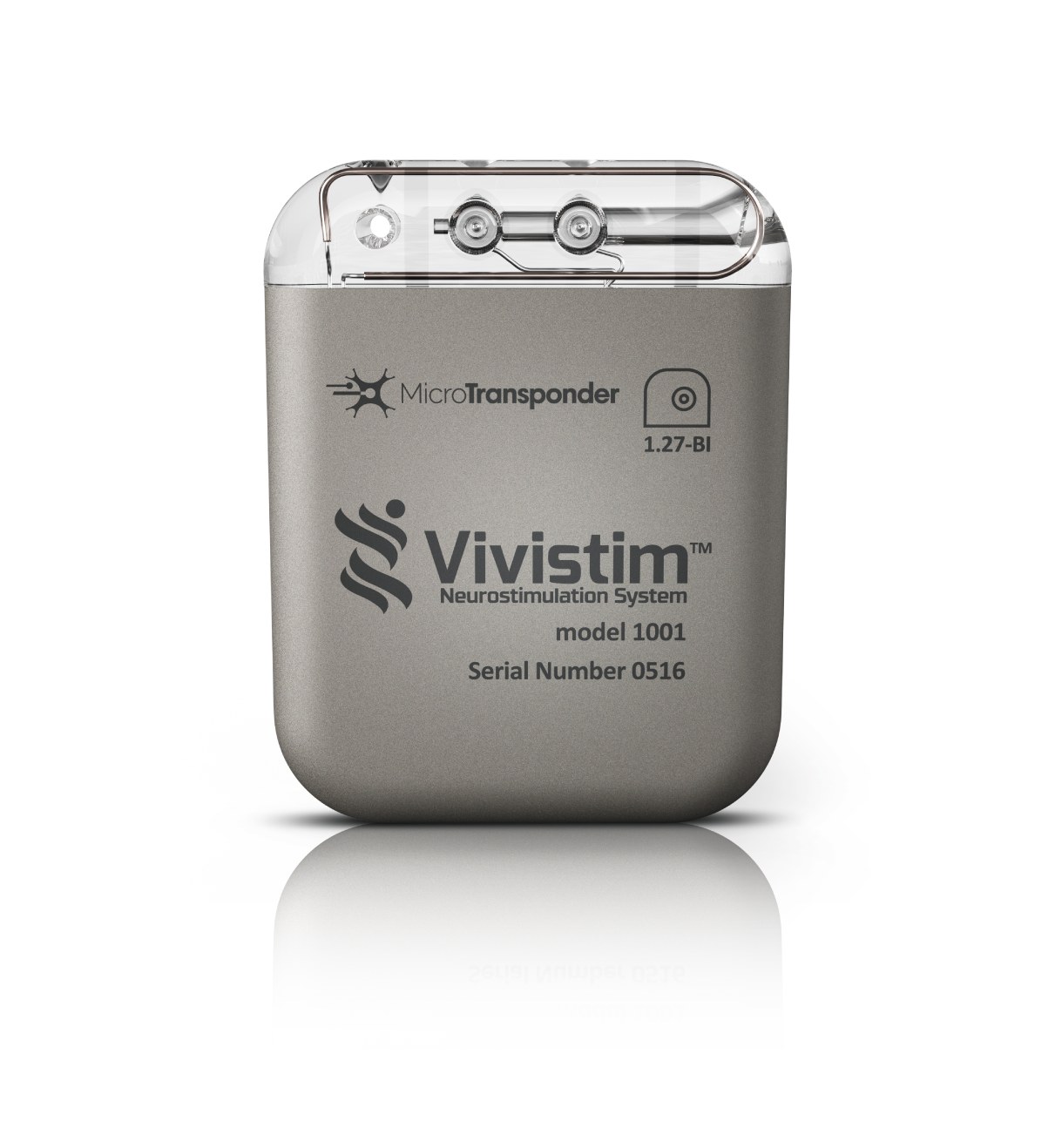
The Vivistim System pairs brief bursts of stimulation with rehabilitation exercises. Each burst, timed by the therapist to a movement, strengthens the brain’s ability to relearn that movement. It is approved for people with lasting arm and hand weakness after an ischemic stroke. The implant is a two hour outpatient operation: the lead is placed on the left vagus nerve in the neck and the generator under the skin below the collarbone. Treatment then means six weeks of intensive therapy with the device, followed by home practice.
VNS For Epilepsy
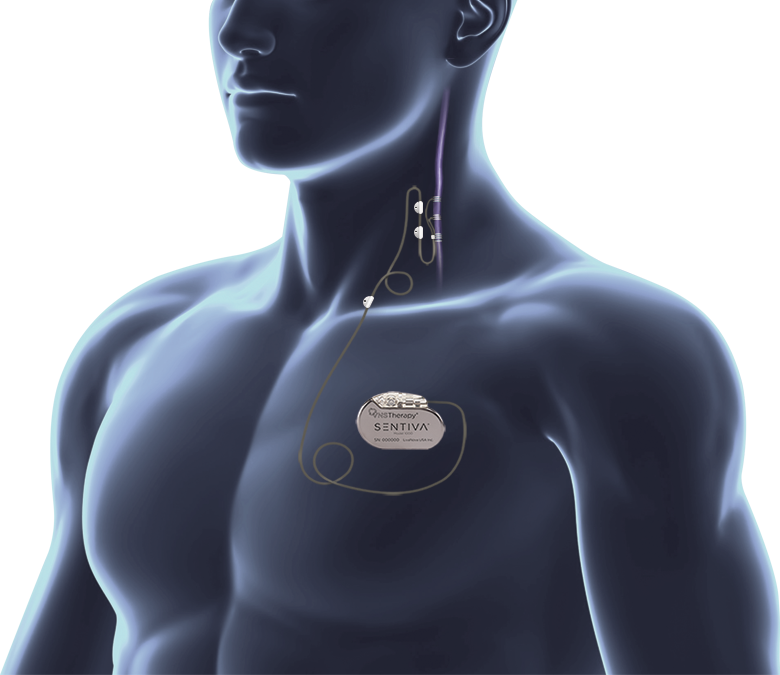
For seizures that continue despite medication, and when surgery on the brain itself is not an option, vagus nerve stimulation reduces seizure frequency by half in roughly half of patients. It does not require any operation on the brain. Hoarseness or a change in voice during stimulation is common; infection and vocal cord problems are uncommon.
VNS For Rheumatoid Arthritis
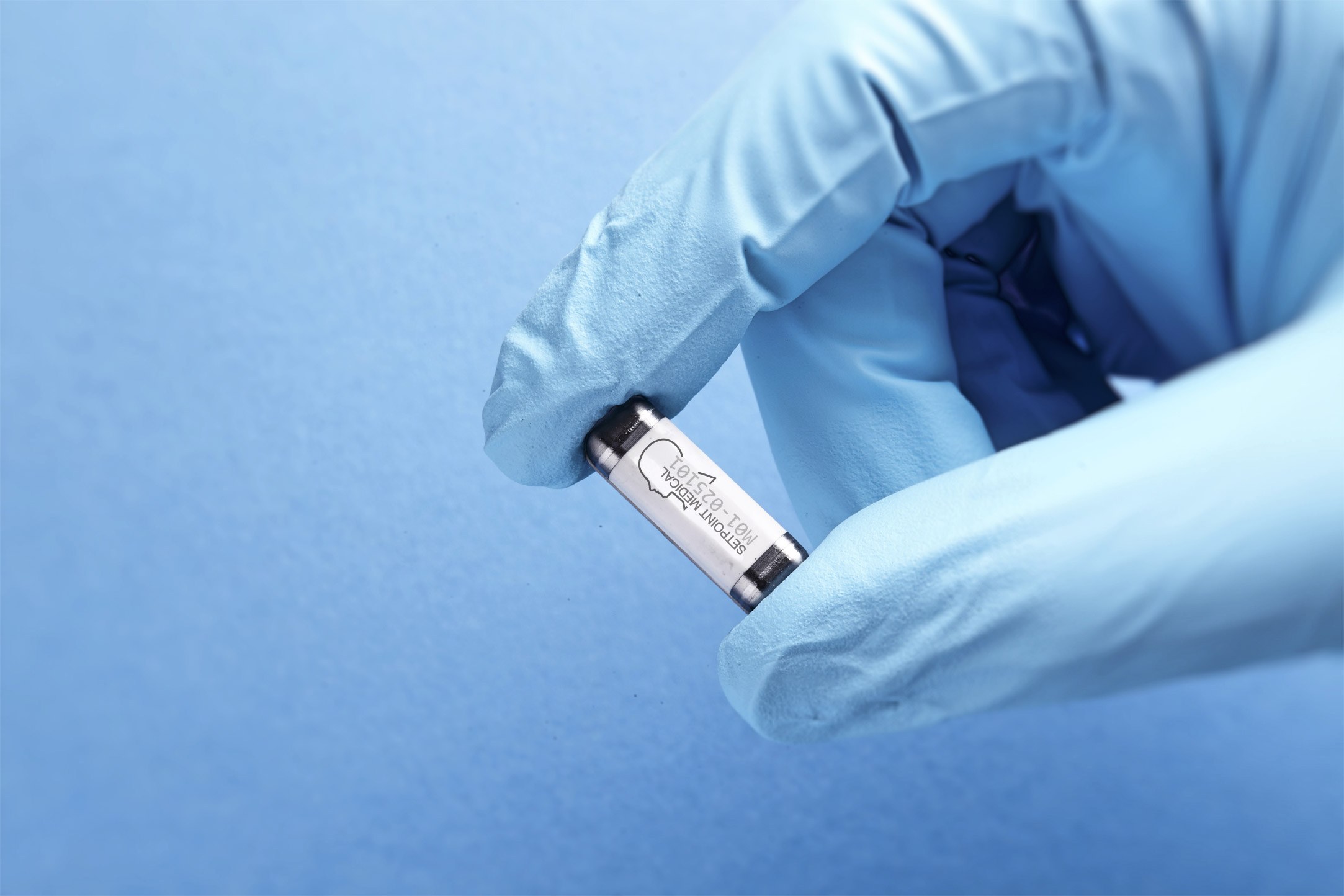
The SetPoint System is a small stimulator placed directly on the left vagus nerve through a single incision in a 60 to 90 minute outpatient procedure. One minute of automatic daily stimulation activates the body’s own anti-inflammatory reflex. It is approved for adults with moderately to severely active rheumatoid arthritis who have not done well on a biologic or JAK inhibitor.
Before Surgery
The requirements are similar for all three:
- Blood thinners and antiplatelet medicines are ideally held for about a week.
- Vocal cord function is checked; a paralyzed vocal cord on either side rules out the implant.
- For stroke, you must be able and willing to complete six weeks of intensive rehabilitation.
- No condition that would make an operation in the neck unsafe.
Risks
Vagus nerve stimulation is one of the safer neurosurgical procedures. Possible problems include:
- Hoarseness or a tickle in the throat during stimulation, usually mild.
- Infection, bleeding, or injury to the nerve or nearby structures, all uncommon.
- Cough or discomfort with stimulation, adjustable with programming.
Questions For Your Consultation
- Which of the three indications applies to me, and do I meet its criteria?
- What does the operation and recovery involve?
- Who programs the device and manages follow-up?
- What results are realistic for my situation?