What It Looks Like
The twitching is brief, repetitive, and not under your control. It typically begins as a flicker of the lower eyelid and, with time, pulls the eye closed and tugs the cheek and mouth on the same side. It continues during sleep, worsens with stress and fatigue, and can make reading, driving, and conversation difficult. It is not painful, and it is not the same as blepharospasm, which affects both eyes, or the fleeting eyelid twitches most people get when tired.
Why It Happens
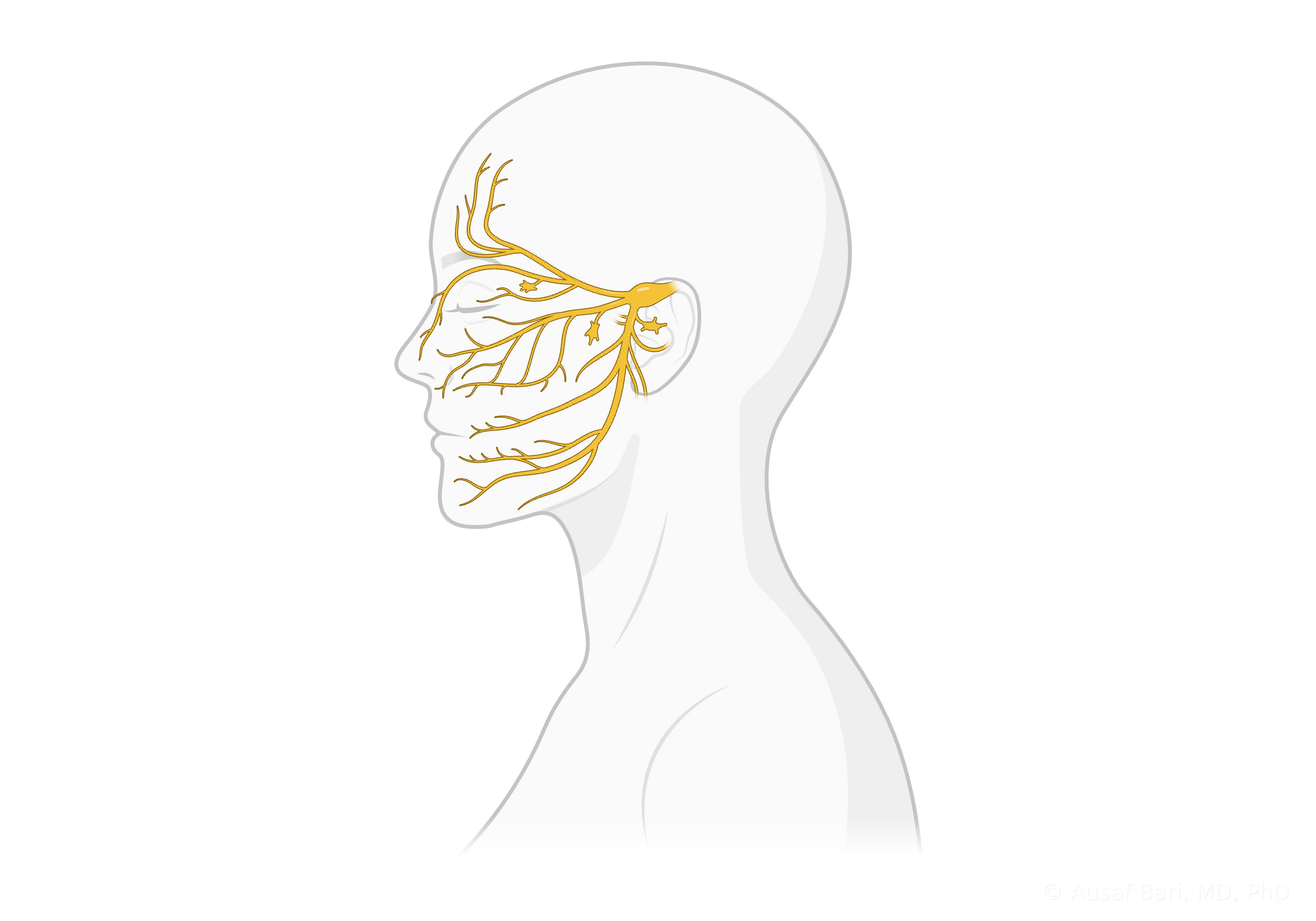
The facial nerve controls the muscles of expression. Where it exits the brainstem it has a short, vulnerable segment, and a looping artery or vein resting against that segment can cause the nerve to fire on its own. Less often the cause is a tumor or other lesion in the same region, which is one reason an MRI is part of every evaluation. The diagnosis itself is made by examination; a high-resolution MRI then shows the vessel in contact with the nerve and rules out anything else.
Two Ways To Treat It
Botulinum toxin injections into the affected muscles are the usual first treatment. They weaken the twitching muscles for about three to four months at a time and work well for most patients, but they treat the symptom, wear off, and have to be repeated indefinitely. Oral medications such as carbamazepine or clonazepam help some patients modestly.
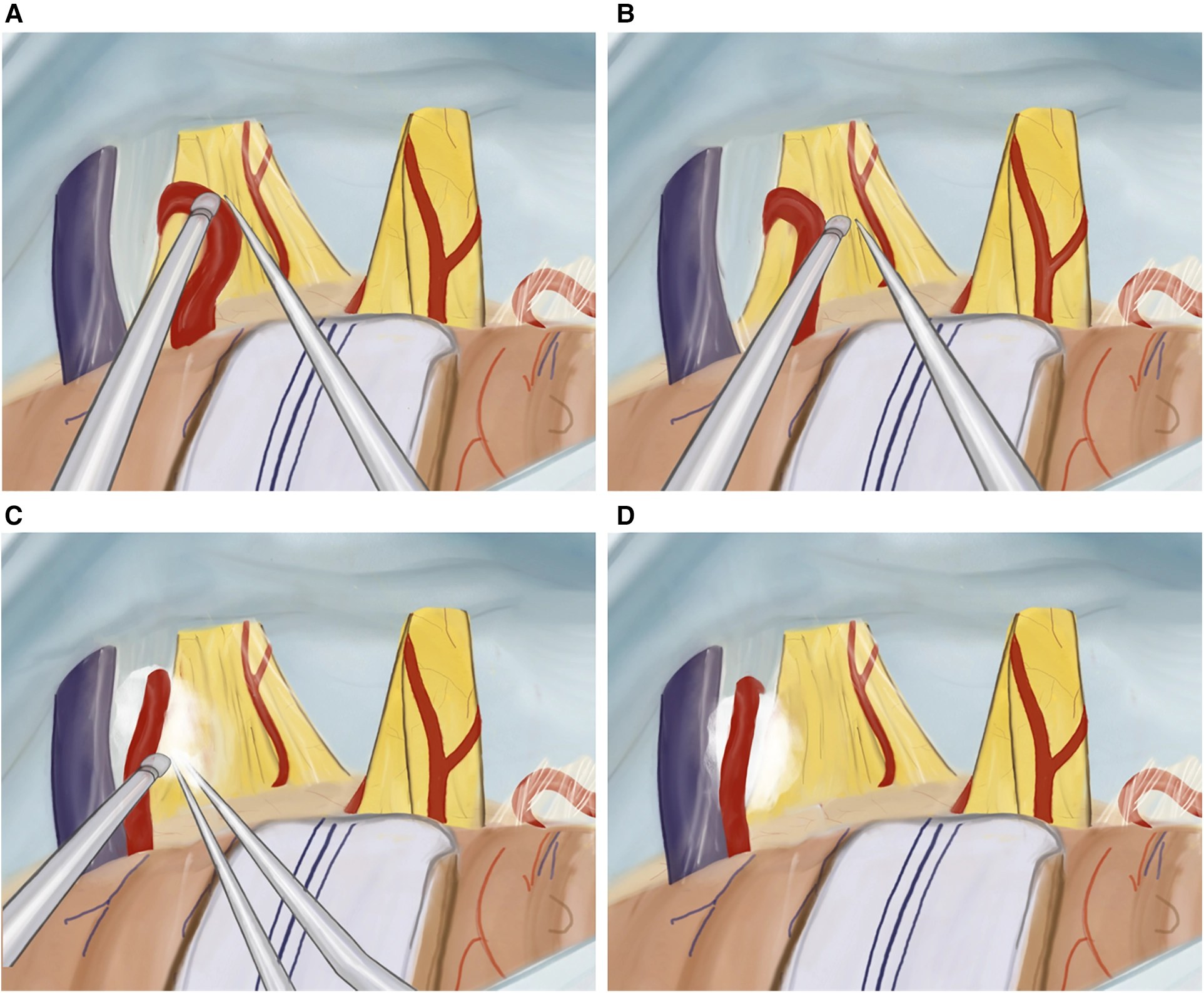
Microvascular decompression treats the cause. Through a small opening behind the ear, Dr. Bari moves the vessel off the facial nerve and keeps it away with a soft cushion. In a systematic review of more than 5,600 patients, about nine in ten were completely free of spasm after the operation and recurrence was rare. The main risks are hearing loss on that side, which was permanent in about 2 in 100 patients, and facial weakness, which is usually temporary and was permanent in fewer than 1 in 100. In some patients the spasm fades gradually over weeks to months after surgery rather than stopping immediately. See the microvascular decompression page for how the operation is done and what recovery looks like.
Who Should Consider Surgery
Surgery is reasonable when the spasm is clearly affecting daily life and injections are no longer satisfactory, whether because they wear off too quickly, cause too much facial weakness, or simply because a lasting answer is preferred. Patients need to be well enough for a short operation under general anesthesia. A referral from your neurologist or ophthalmologist with the MRI and a record of the treatments tried is the usual starting point; if you do not have one, call and the team will help arrange the evaluation.
Questions To Bring
- Does my MRI show a vessel on the facial nerve, and which one?
- How long have the injections been working for me, and is that changing?
- What are my personal risks for hearing and facial weakness with surgery?
- If the spasm does not stop right away after surgery, how long should I wait?