How DBS Works
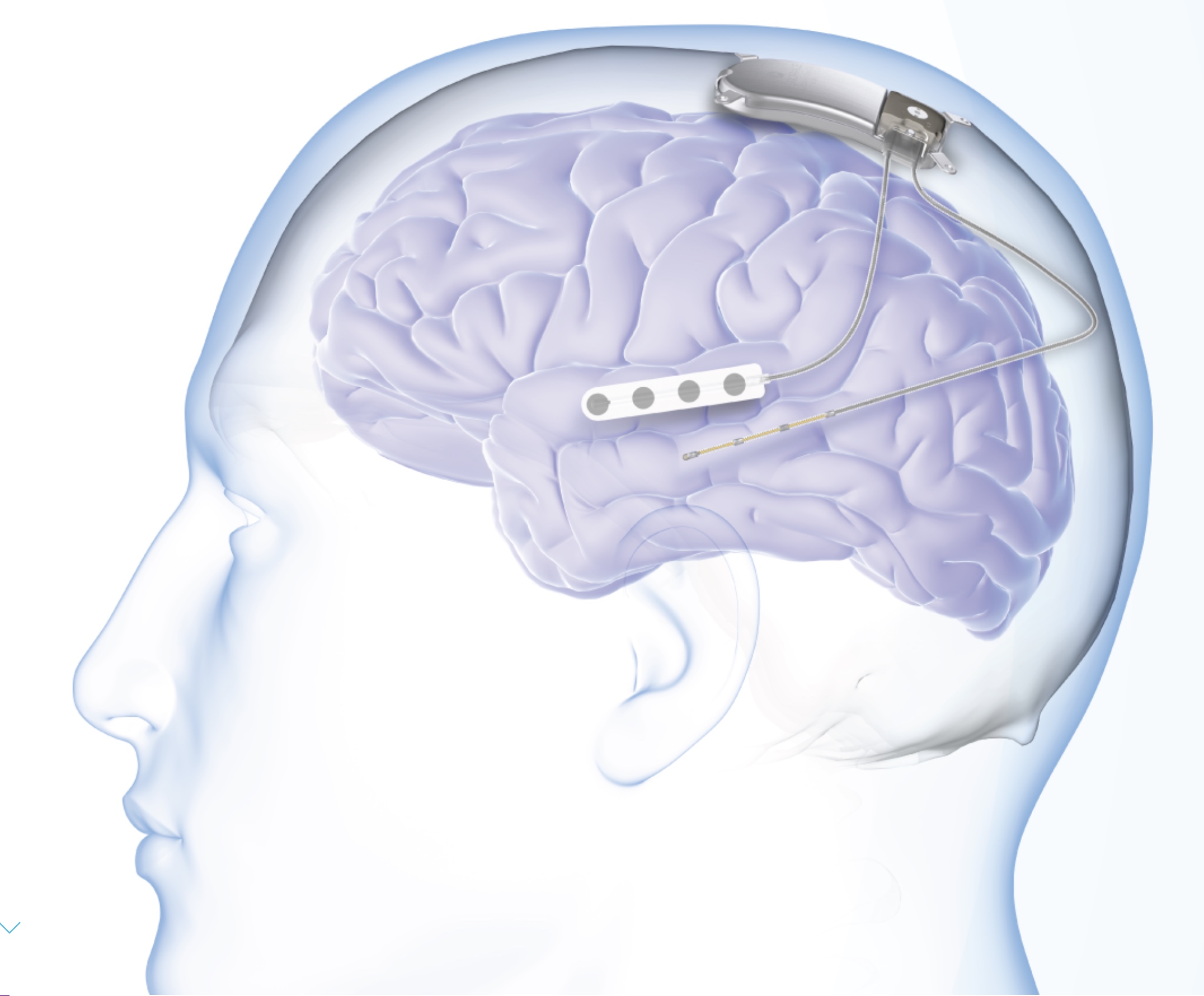
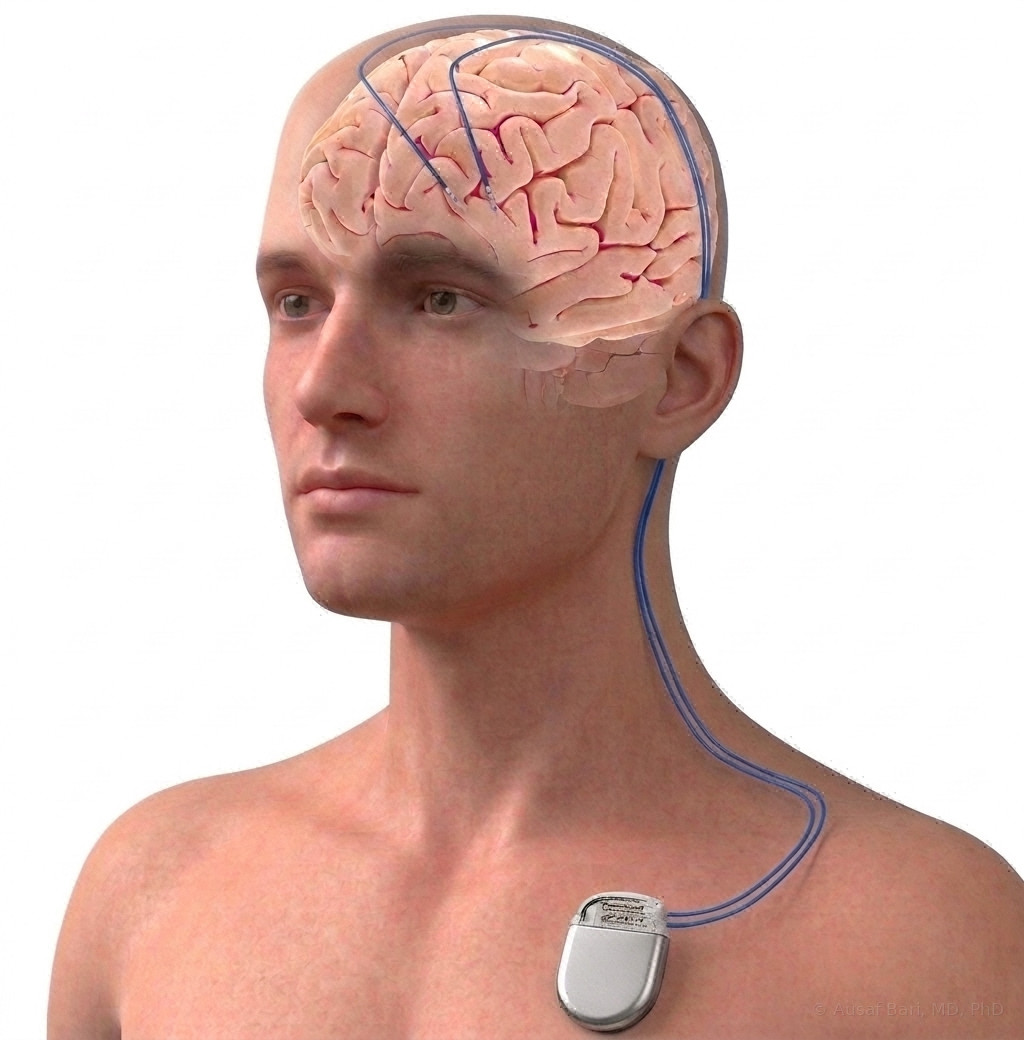
A thin electrode is placed in a precisely chosen brain target and connected, under the skin, to a small generator in the chest. The generator delivers continuous, adjustable electrical pulses that modify the activity of the circuit responsible for symptoms. Stimulation can be tuned over time, and it can be turned off or removed if needed.
More than 200,000 people worldwide have received DBS. Dr. Bari’s program has performed more than 500 implants, one of the largest experiences in Southern California, and performs about a hundred DBS operations a year.
Conditions Treated With DBS
Dr. Bari has performed DBS for fifteen years. The target depends on the condition and on your individual evaluation:
- Essential tremor, targeting the thalamus.
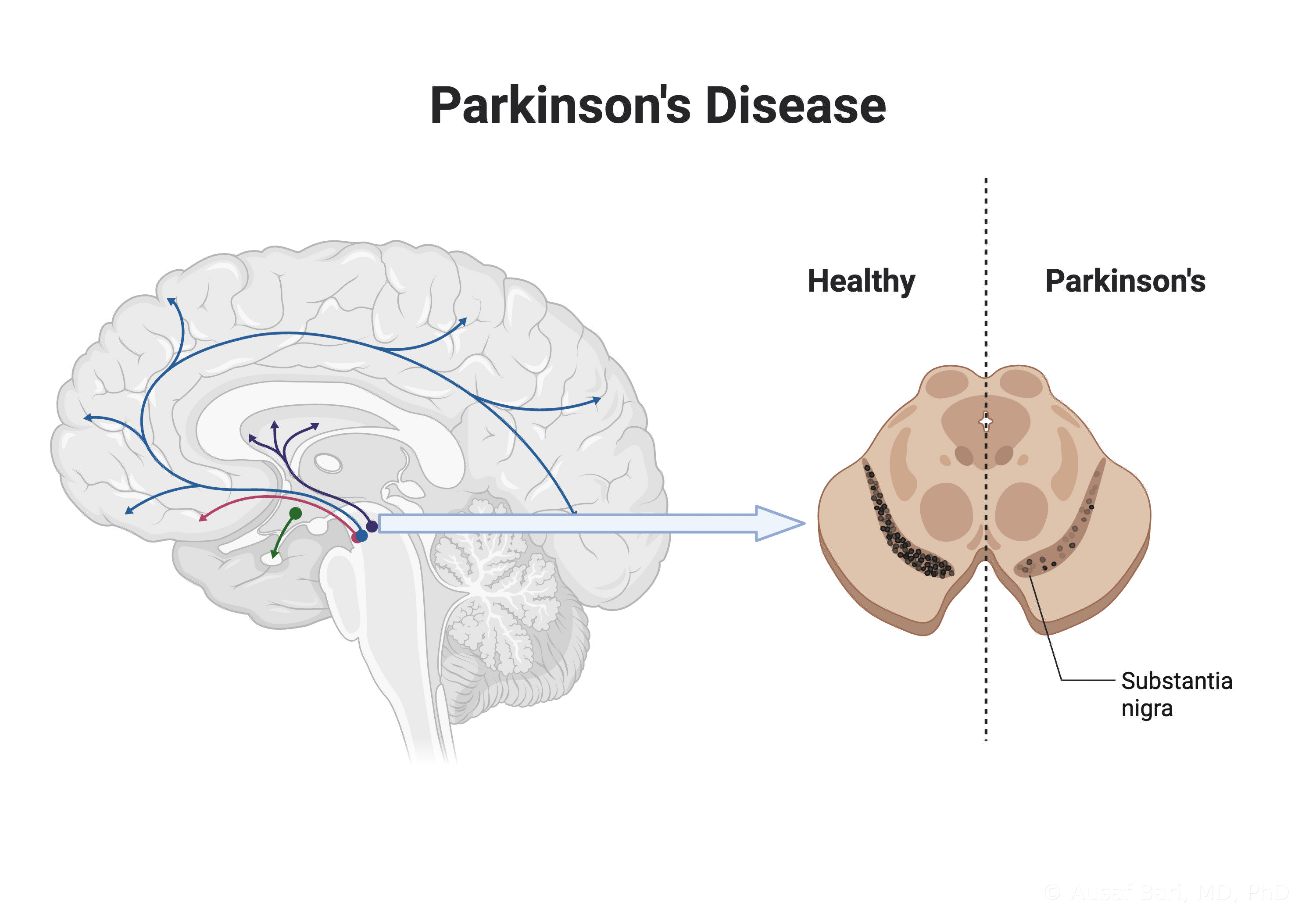
- Parkinson’s disease, targeting the subthalamic nucleus or globus pallidus, with directional leads and sensing-capable systems that record brain activity to guide programming.
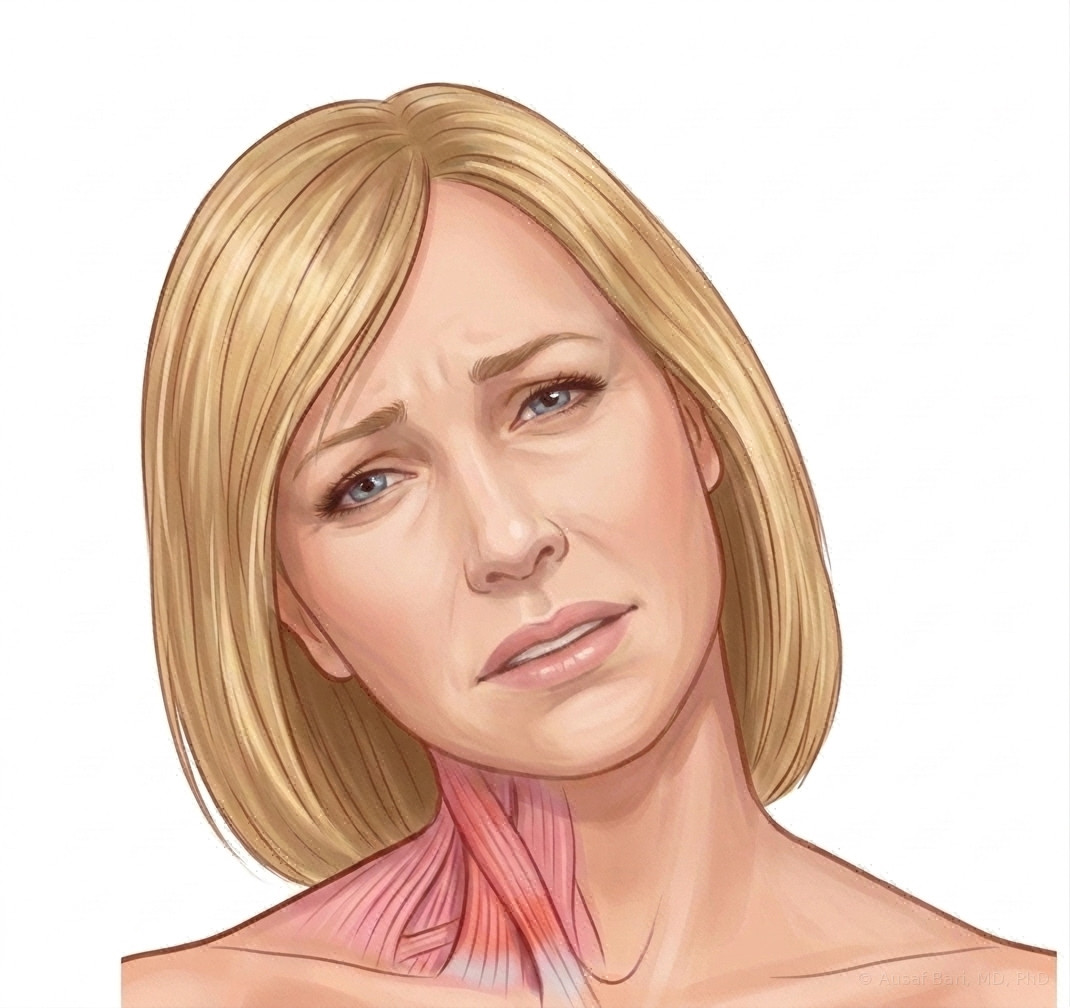
- Dystonia, usually targeting the globus pallidus.
- Drug-resistant epilepsy, targeting the anterior or centromedian nucleus of the thalamus.
- Treatment-resistant depression and chronic pain, including refractory facial pain, in carefully selected patients. These are not FDA-approved indications and are discussed as such, in coordination with psychiatry or pain medicine.
Is DBS Right For Me?
Evaluation considers your diagnosis, medication response, MRI, thinking and memory, general health, and the activities you want to improve. For Parkinson’s disease, a formal assessment of your movement on and off medication helps predict what stimulation could achieve.
The Referral Comes First
For movement disorders, a movement disorders neurologist, at UCLA or near you, confirms the diagnosis, checks that first-line medications have had a fair trial and that Parkinson’s medication is at the right doses, and refers you for a surgical evaluation. For epilepsy, the epilepsy neurologists complete the workup first and the team decides whether surgery is an option and which procedure fits. Dr. Bari’s consultation follows that referral, so if you do not yet have a specialist, call and the team will arrange one.
Planning And Surgery
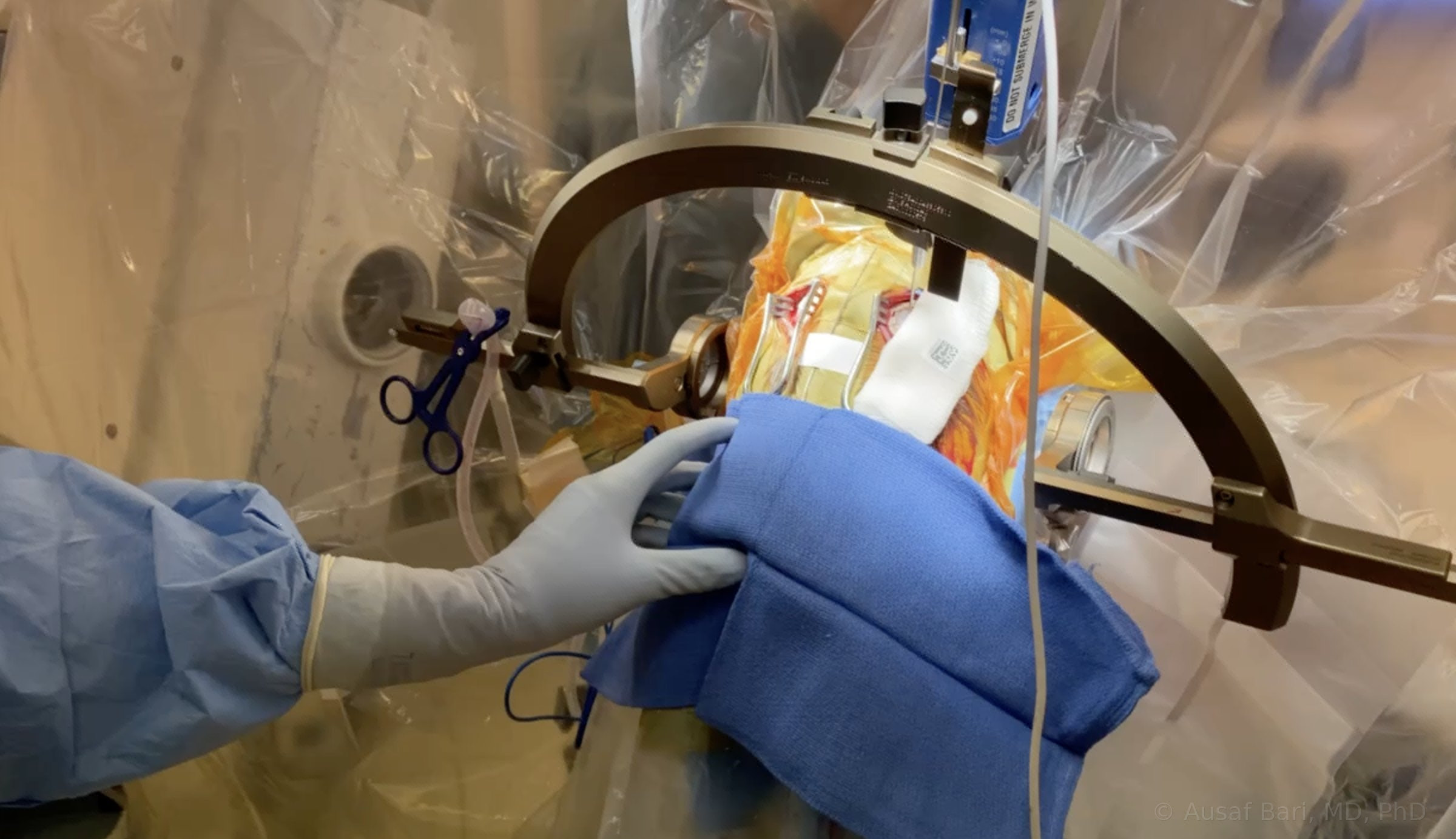
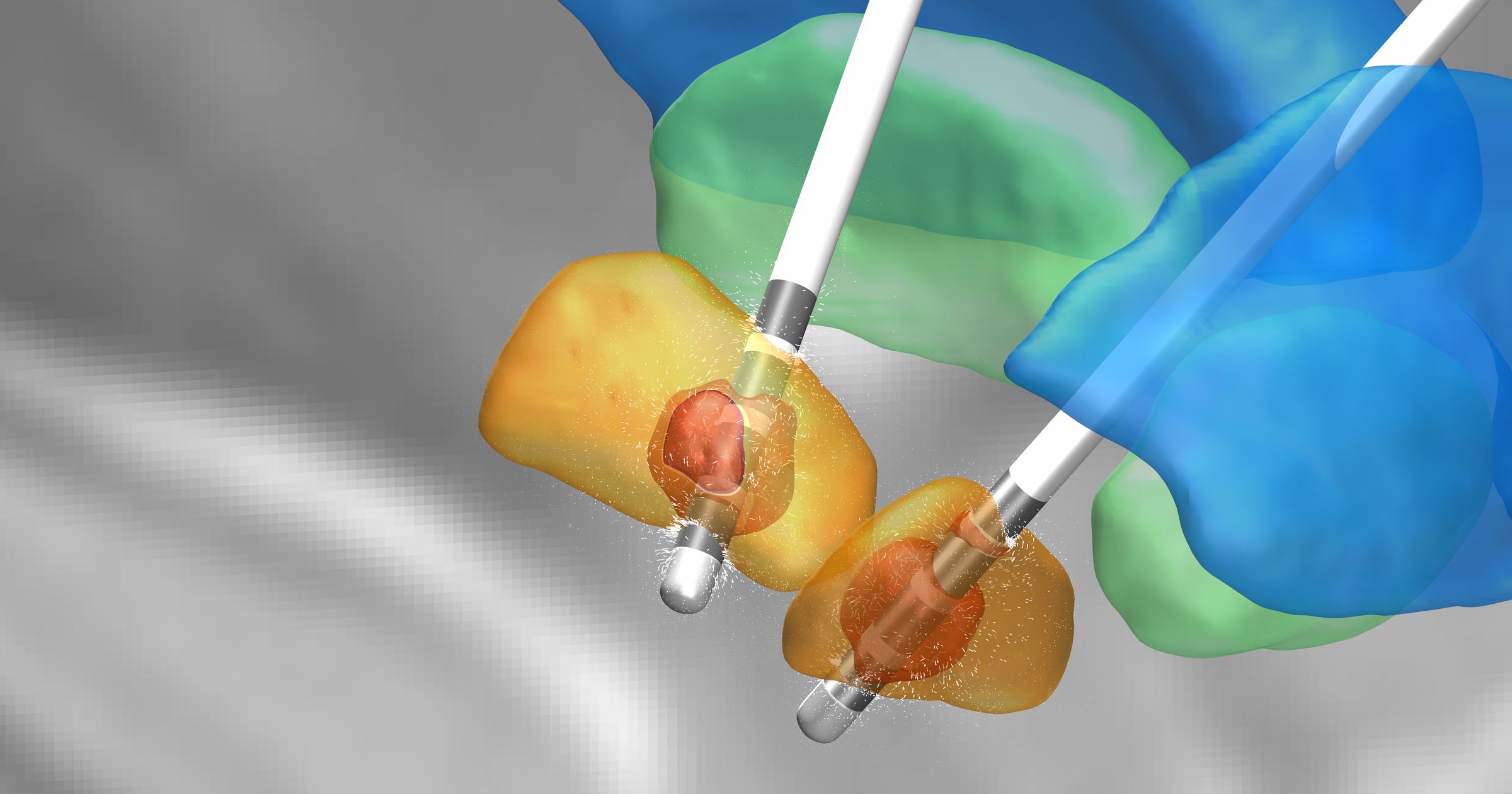
High-resolution MRI and, where useful, tractography help plan the target and the safest path to it. Dr. Bari’s research on connectivity-based targeting is part of this planning. The electrodes can be placed with you awake, so that recordings and your feedback confirm the target, or asleep under general anesthesia with intraoperative imaging. Each approach has advantages, and the choice is made with you. The generator is placed in a separate, shorter procedure.
Life With DBS
Programming begins a few weeks after surgery, once healing has settled, and it usually takes several visits to find the settings that suit you. Batteries are either rechargeable or replaced in a minor procedure after some years. DBS can relieve selected symptoms, but it does not cure the underlying condition, and medication and follow-up remain part of care.
Benefits & Risks
In Dr. Bari’s practice the risk of bleeding in the brain is about one percent and the risk of infection about three percent. Hardware problems such as a broken wire or a device that needs revision occur in a small minority of patients over the years. Stimulation itself can cause side effects such as tingling, speech changes, or unsteadiness, which are usually reversible by adjusting the settings. Expected benefit and suitability vary, and some indications remain off-label or investigational.
Questions For Your Consultation
- Which of my symptoms is DBS most likely to help?
- Would you recommend awake or asleep surgery for me?
- Who will manage programming, medication and the device over time?