Conditions That May Need Evaluation
- Nerve compression, including carpal tunnel and ulnar nerve entrapment at the elbow.
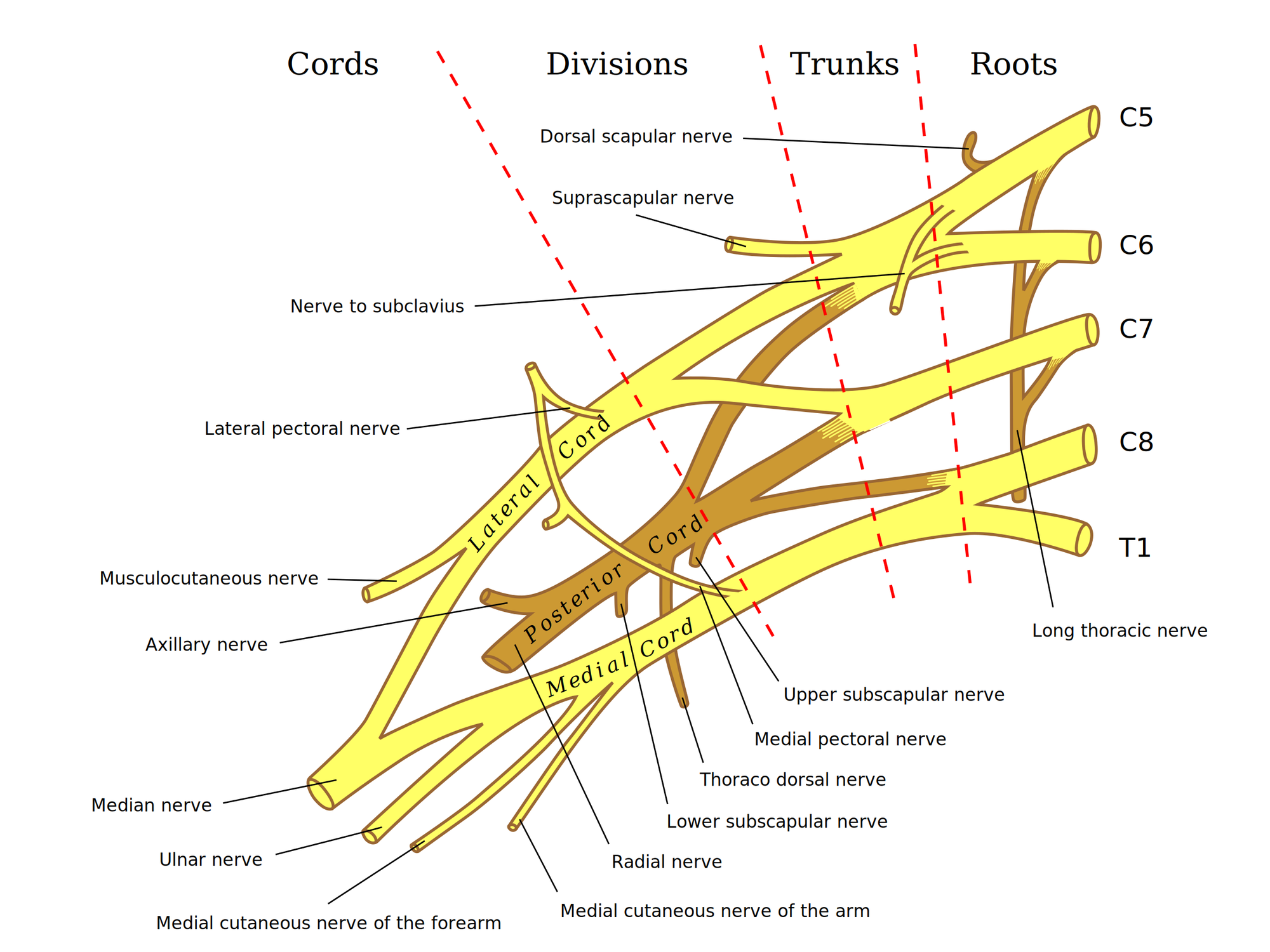
- Traumatic nerve injuries and brachial plexus injuries, including severe pain after nerve root avulsion.
- Nerve tumors such as schwannomas and neurofibromas.
- Occipital neuralgia and other nerve-related head and facial pain.
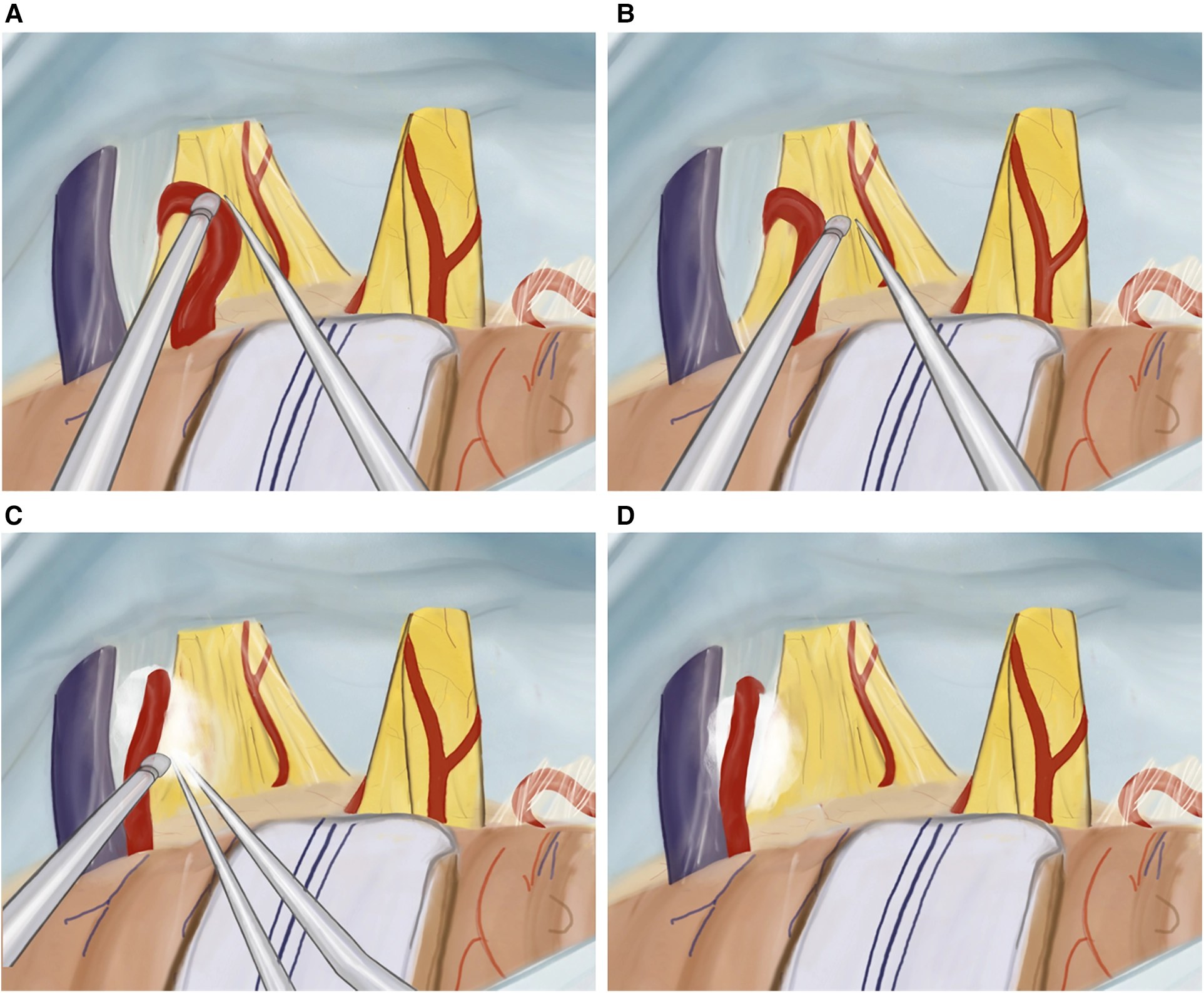
- Hemifacial spasm, involuntary twitching of one side of the face caused by a vessel pressing on the facial nerve (its own page).
From Diagnosis To Treatment
Testing may include nerve conduction studies, EMG, high-resolution ultrasound, and MR neurography. Depending on the findings, treatment may involve releasing a compressed nerve, repairing or grafting a damaged nerve, removing a tumor while preserving the nerve, or microvascular decompression for hemifacial spasm.
When Pain Is The Main Problem
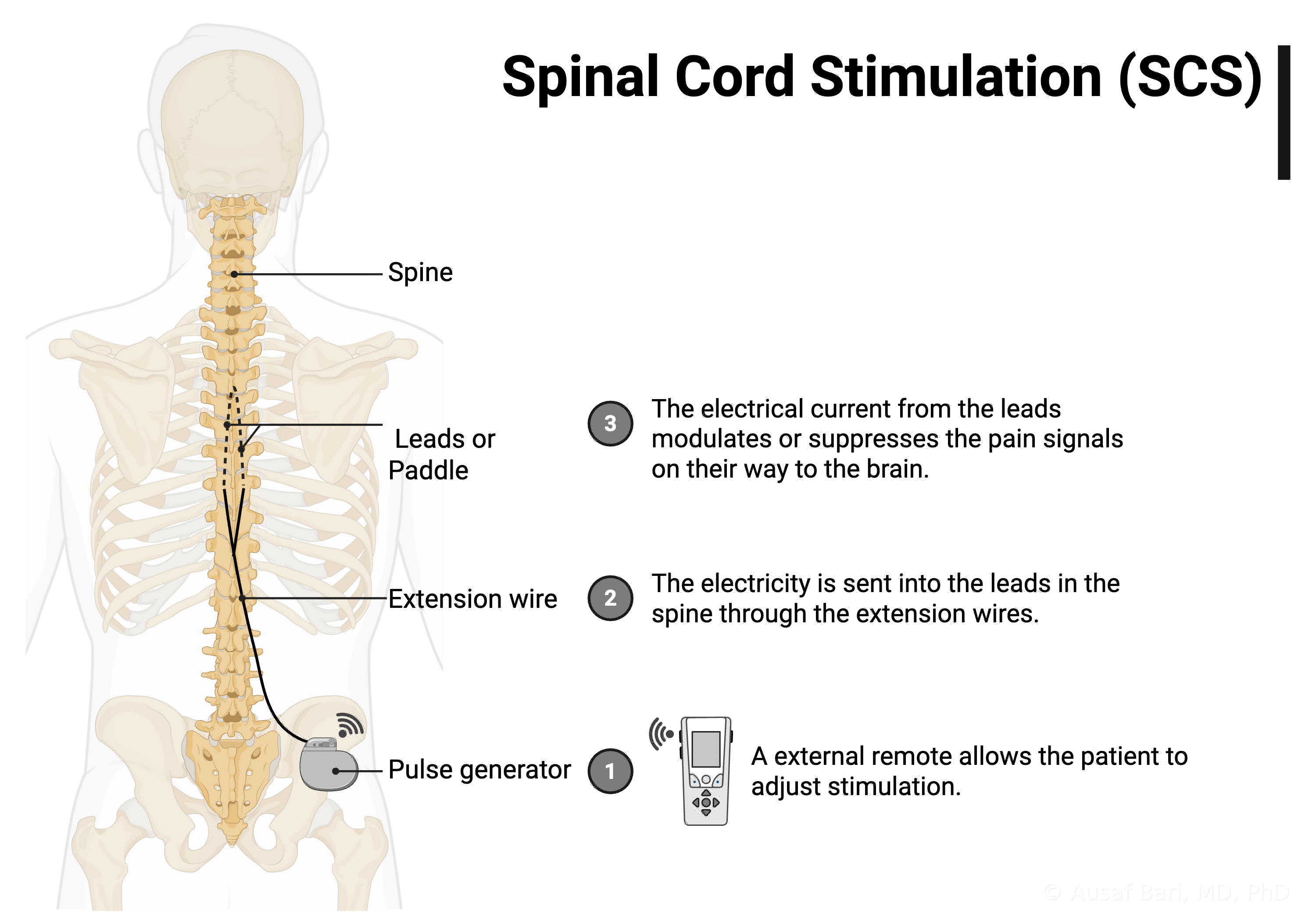
Nerve injury pain that persists after the nerve itself has healed, or after a brachial plexus avulsion, is treated differently. Peripheral nerve stimulation, spinal cord stimulation, and, for avulsion pain, a procedure called DREZ lesioning at the point where the injured roots enter the spinal cord are options Dr. Bari offers. The right choice depends on the injury and on what has already been tried.
What Dr. Bari Needs Before A Peripheral Nerve Consultation
Peripheral nerve problems are diagnosed with two tests, and both should be done before the surgical visit so that the consultation can lead to a decision. First, imaging of the affected part of the body, usually an MRI with and without contrast that includes dedicated nerve imaging (MR neurography), to show where the nerve is compressed, injured, or involved by a tumor. Second, an EMG and nerve conduction study of the affected arm or leg, which shows which nerve is involved and how badly.
Surgery is also a step that comes after other treatment has been tried. Dr. Bari looks for evidence that medications for nerve pain have been exhausted and that other therapies, such as physical therapy and injections from a pain specialist, have been tried. If any of these are missing, call and the team will help arrange them, so that your visit is not spent ordering tests.
Questions To Bring
- Where is the nerve problem, and how severe is it?
- Which tests would help clarify my options?
- Would treatment aim to improve strength, sensation, pain, or more than one symptom?